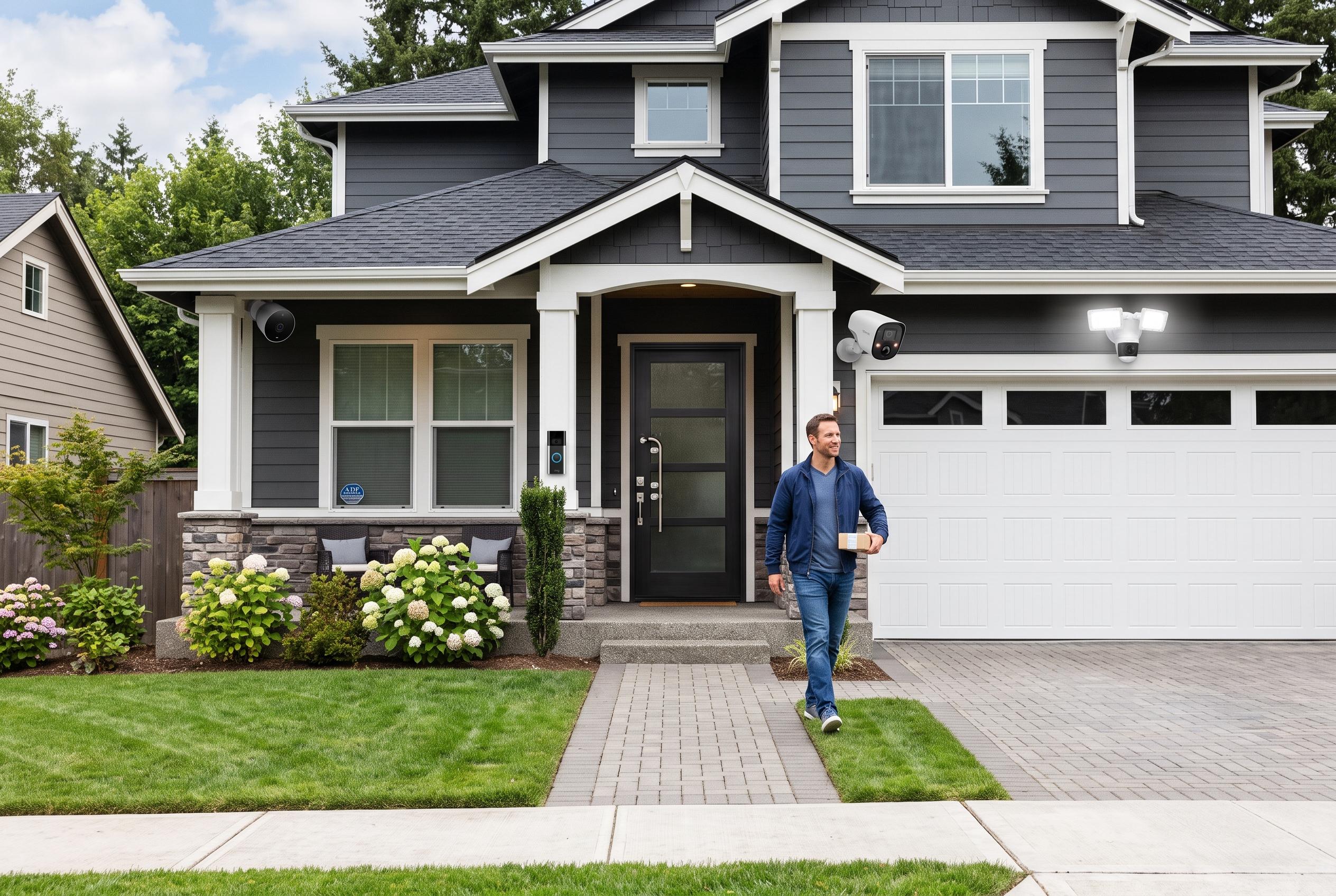

Despite the increasing adoption of smart doorbells and cameras in US households, gaps in physical and digital security highlight vulnerabilities that could be exploited by intruders, emphasising the need for layered home protection strategies.
Smart doorbells are now a familiar feature of US homes, but their popularity can create a false sense of completeness. SafeHome.org’s 2026 Home Security Market Report says 61% of American households now have at least one security camera, up from 52% in 2024, while Ring remains the leading brand. Even so, a camera at the front door is only one part of a wider security picture.
The first weakness many households overlook is coverage. A doorbell camera can monitor arrivals at the front entrance, but it does little for side paths, rear access points or windows that are hidden from view. Reviews.org found in 2026 that 39% of American households had a video doorbell, and one in three used an outdoor smart camera, underlining how common these devices have become. The practical issue is not whether a camera exists, but whether it can see the routes a trespasser is most likely to use.
Physical entry points also need attention. Back doors, side doors, sliding doors and garage entrances can be easier targets than the main door, particularly if frames, locks or tracks are worn or poorly secured. A security system does not compensate for a door left unlocked, and it is of limited value if a vulnerable entrance is still easy to force open.
Digital security is the other layer that homeowners increasingly ignore. As more devices are linked to a single smart-home hub, weak Wi-Fi passwords, reused credentials and missing software updates can expose cameras, locks and motion alerts to attackers. Multi-factor authentication and regular firmware updates reduce that risk. The basic lesson is simple: home security works best when it is layered, with no obvious gap at the front door or inside the network.
Disclaimer: This content is intended for informational purposes only. Readers are advised to exercise their own judgement, conduct due diligence, or consult a qualified expert before acting on any information provided.