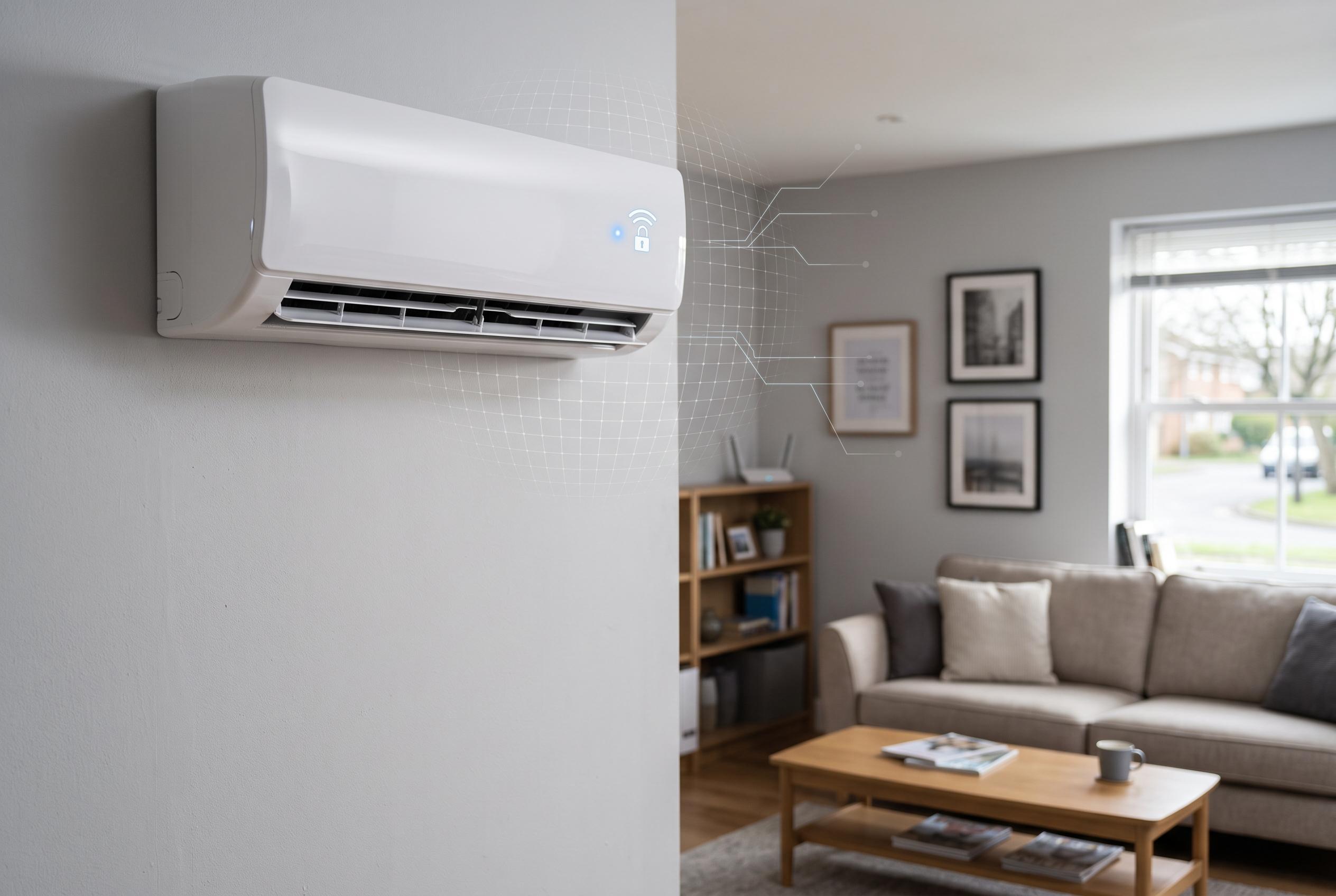

Experts warn that poorly protected smart air conditioners can be exploited by hackers to access entire home networks, highlighting the importance of proper security measures for connected devices.
A smart air conditioner can become an entry point into a home network if it is left poorly protected, according to Sviatoslav Litvinov, a candidate of technical sciences and acting head of the telecommunications department at RTU MIREA. He warned that connected cooling units are unlikely to draw suspicion in the way a camera or laptop might, which can allow an attacker to use them quietly as a foothold for reaching other devices on the same network.
Litvinov said that, once inside, an intruder could try to inspect other connected appliances and computers, intercept data from smartphones and even move towards banking apps. He also said attackers may attempt to compromise the manufacturer’s cloud service in order to capture voice commands. Security guidance from Kaspersky supports that warning, noting that smart home devices can be exposed through weak passwords, outdated firmware and insecure communication protocols, and that a compromised appliance can put the wider home network at risk.
Specialists generally recommend isolating smart devices on a separate guest Wi-Fi network, changing default router passwords immediately and keeping firmware up to date. Kaspersky also advises using strong, unique passwords and multi-factor authentication where available, while other security guidance adds that buyers should favour reputable manufacturers and check that updates are properly signed. In practice, that means treating a smart air conditioner as part of the household’s digital infrastructure, not just as a convenience appliance.
Disclaimer: This content is intended for informational purposes only. Readers are advised to exercise their own judgement, conduct due diligence, or consult a qualified expert before acting on any information provided.