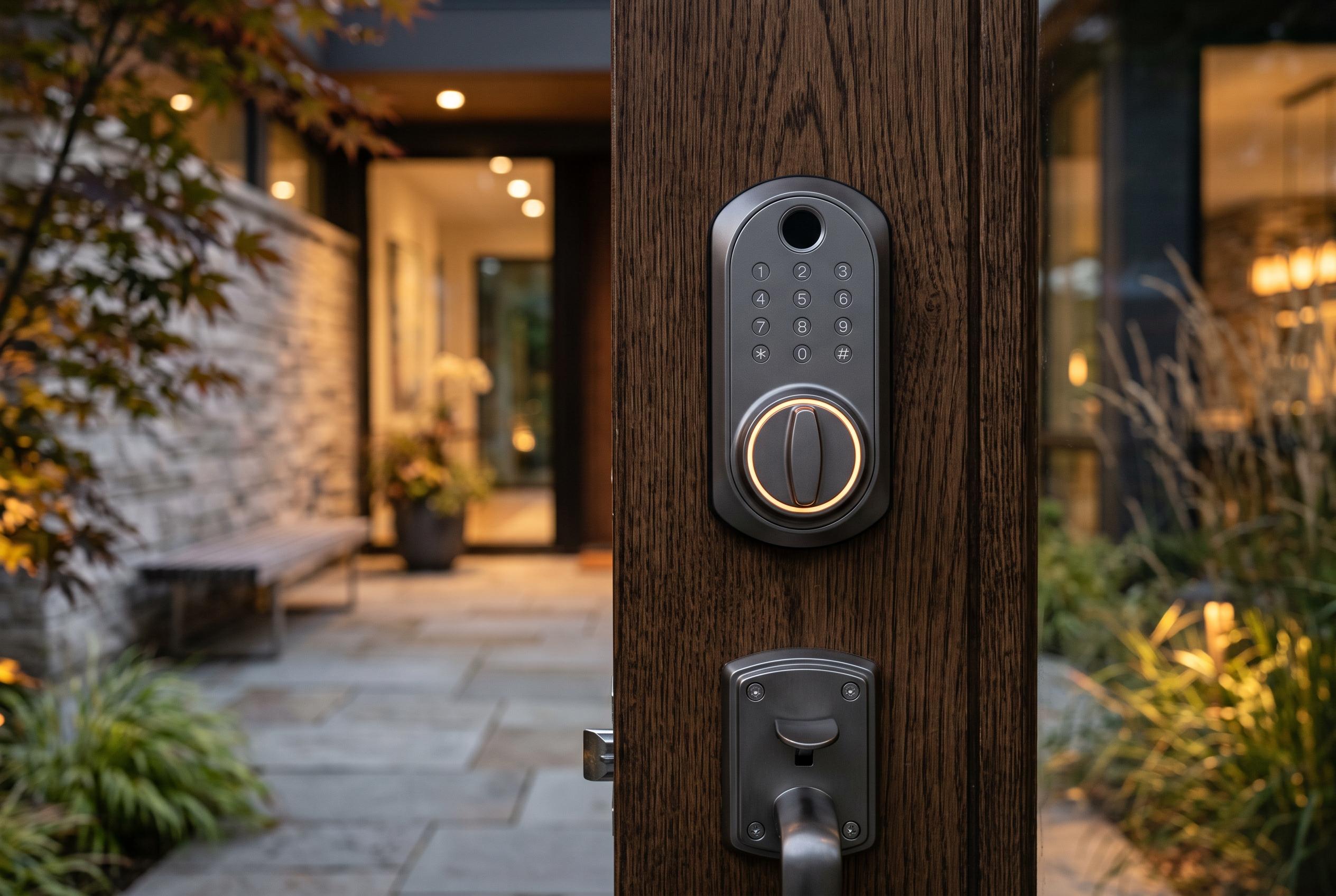

As households seek a balance between convenience and security, smart deadbolts are emerging as a versatile alternative to traditional locks, integrating electronic access with robust physical protection.
A front door does more than open and close. It handles deliveries, visitors and the daily comings and goings of a household, which is why the choice between a smart lock and a traditional deadbolt is really about balancing convenience with physical security. According to Fluent Home and several locksmith guides, the strongest approach is often not an either-or decision, but a well-installed smart deadbolt within a broader security setup. Paragraph 1: [2], [3]
A conventional deadbolt is still valued for its simplicity. It relies on mechanical strength rather than software, with no batteries, passwords or app controls to manage. That makes it suitable for doors that need dependable but uncomplicated protection. The trade-off is flexibility: if a key is lost, access has to be changed by hardware, not by deleting a code. Paragraph 2: [4], [6]
Smart locks add electronic access methods such as keypad entry, mobile control and remote user management. That makes them useful for homes with changing schedules, deliveries, cleaners, older children or short-term visitors. Industry comparisons also note that smart locks can be paired with routines, alerts and smart-home systems, which helps households monitor who enters and when. Paragraph 3: [2], [3], [7]
The practical advantage is not only convenience but control. A homeowner can issue temporary codes, revoke access without replacing a lock, and check whether the door was secured after leaving home. Fluent Home also points out that automatic locking can reduce the common problem of an unlocked door being left unattended. Paragraph 4: [1], [2], [5]
Security, however, depends on the whole door assembly, not just the lock body. Locksmith guidance stresses the importance of a solid frame, correct alignment, strong strike plates and proper installation. A weak door or poor fitting can undermine both a smart lock and a standard deadbolt, so professional installation remains important. Paragraph 5: [1], [4], [5]
For most homeowners, the decision comes down to daily routine. If a simple keyed system is enough, a deadbolt may be the right fit. If access needs to change frequently, a smart lock can be the more practical option, especially when combined with cameras, doorbell video and monitored security. For businesses, the same logic applies, though dedicated access-control systems may be more suitable where there are multiple users and restricted areas. Paragraph 6: [1], [3], [6], [7]
Disclaimer: This content is intended for informational purposes only. Readers are advised to exercise their own judgement, conduct due diligence, or consult a qualified expert before acting on any information provided.