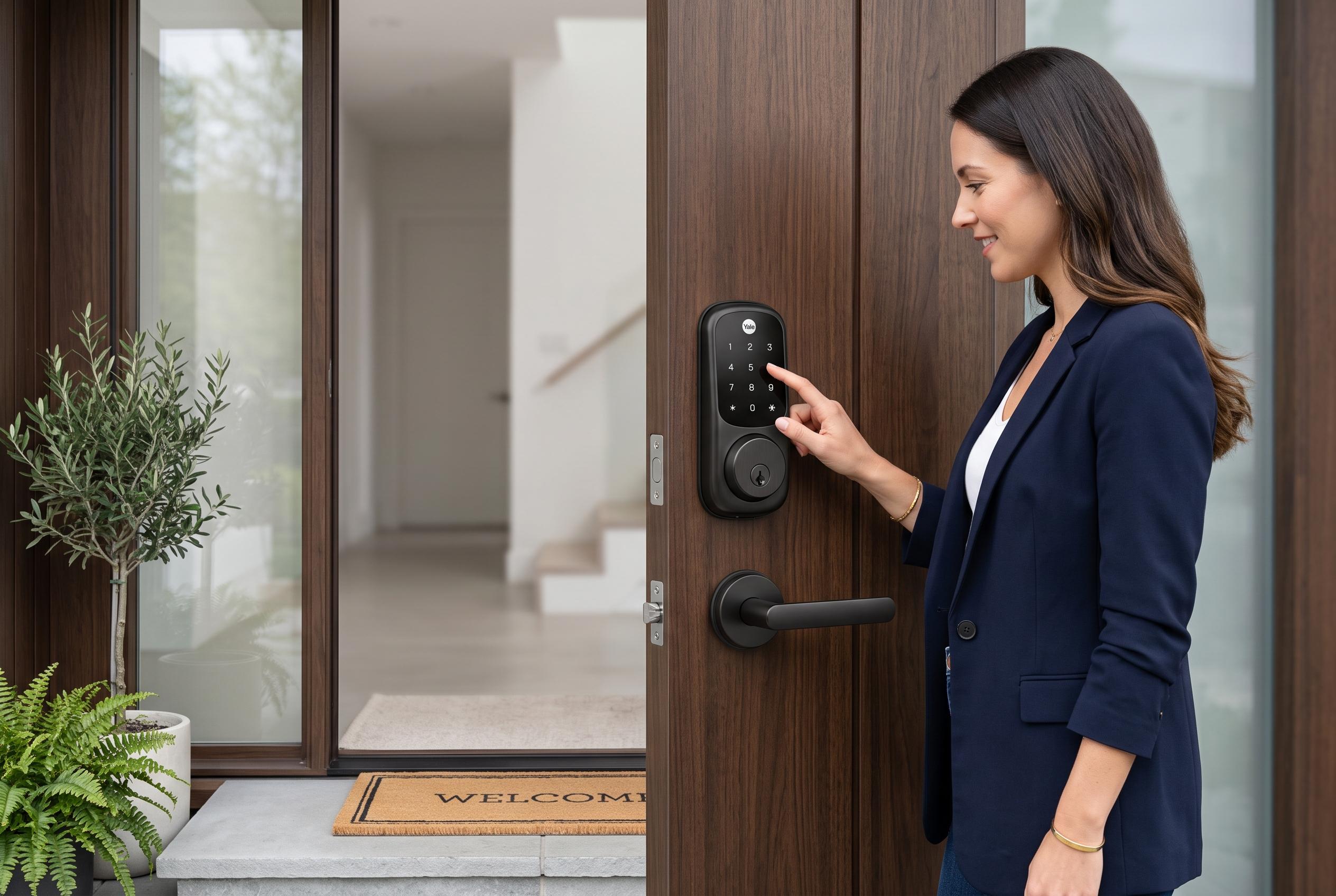

Smart front door locks are most effective when permissions reflect household routines, combining convenience with precise control over who can enter, when, and how, especially for guests and service providers. Customised access, real-time logging, and automatic locking are key to safeguarding modern homes.
A smart front door lock is most useful when its permissions mirror the household’s routine. The strongest systems combine convenience with control: phone access, fingerprints, PIN codes, physical keys and timed entry can all play a role, but the real value lies in deciding who can enter, when they can enter, and how the home owner can review unusual activity. Reviews of smart-lock systems note that temporary access, remote management and entry logs are among the most practical features for everyday use.
For families, the first priority is permanent access that does not depend on shared codes. Industry guidance on smart locks recommends giving each resident an individual credential rather than using one household PIN, because separate permissions make audit trails clearer and reduce confusion when access needs change. The same logic applies to children: they should have a simple, dedicated code or other method that works only when needed, alongside a backup plan if the first method fails. Automatic locking can further reduce the risk of a door being left unsecured.
Guest access is where many systems are either well managed or quietly weakened. Specialists in smart-lock administration advise against reusing family codes for visitors, contractors or short-term guests, because a shared code can remain in circulation long after the visit ends. Time-limited, individually named codes are a better fit. They can be set for a single visit, a recurring stay or a defined window, then revoked once the permission is no longer required. That approach keeps the access log readable and makes it easier to see who entered and when.
Delivery and service access should be even narrower. Where possible, a no-entry method such as a parcel box, doorbell camera or leave-at-door instruction is preferable to granting access to the lock itself. If entry is necessary, the safer option is a one-time or tightly timed code that is valid only for the expected appointment. Recurring access for cleaners, carers or regular tradespeople can work well, but those credentials should remain separate from household and guest permissions, and they should be changed if the provider’s staff changes.
Logging and notifications are most useful when they highlight exceptions rather than creating noise. Smart-lock guides commonly emphasise that entry logs should show who used the lock, at what time and through which method, while alerts should be reserved for events that matter, such as unlocks when the home is expected to be empty, failed attempts or a door left unlocked. Pairing the lock with a camera or video doorbell adds another layer of confirmation by linking the unlock event to a visible arrival.
The most effective setups use each access method for a specific job. Biometric entry is best for residents, PIN codes suit children, guests and scheduled services, app control helps adults manage permissions remotely, and a physical key remains useful as a back-up if batteries fail or a phone is lost. A monthly review of active users, expired codes and broader-than-needed schedules helps keep the system tidy. In that sense, a smart lock is less about collecting features than about enforcing clear rules. The households that benefit most are usually the ones that keep access simple, time-bound and easy to explain.
Disclaimer: This content is intended for informational purposes only. Readers are advised to exercise their own judgement, conduct due diligence, or consult a qualified expert before acting on any information provided.