
Increasing smart-home device deployments are causing Wi-Fi instability due to radio channel congestion, prompting calls for hardware upgrades and network management strategies.
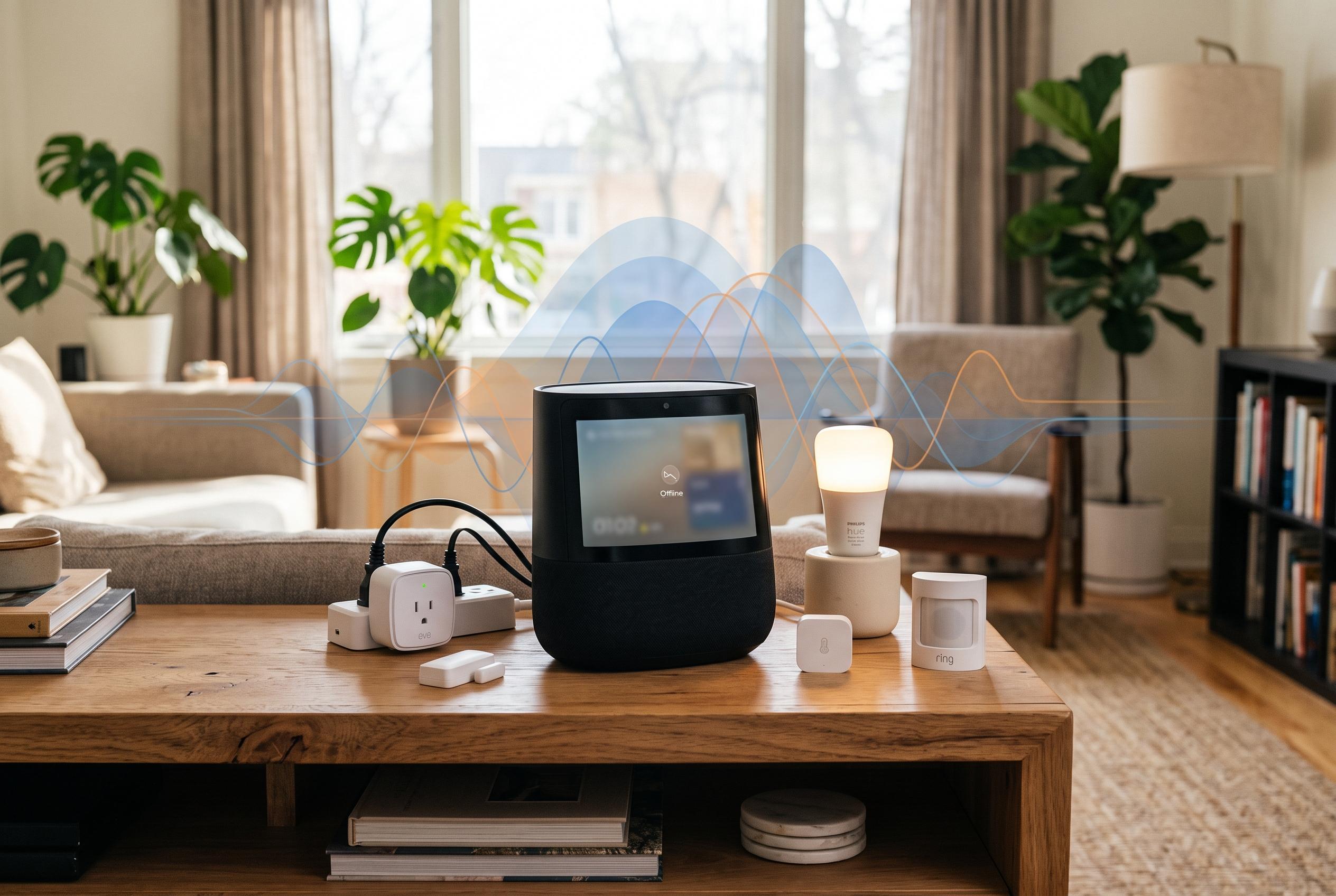
Many households experience unstable Wi-Fi because the network is carrying more connected devices than it was designed to handle, and smart-home equipment is often part of the problem. Thanh Niên says the issue is usually not raw bandwidth consumption, because many plugs, switches, bulbs and sensors use very little data. The strain comes instead from congestion on the radio channel and interference, as multiple devices try to communicate through the same router at once.
In practical terms, that means the home network behaves less like a wide pipe and more like a shared lane. Tom’s Guide and Optimum both note that smart-home devices can crowd the 2.4GHz band, where many of them still operate by default. Cameras and video doorbells are among the most demanding devices, while low-power accessories tend to be lighter users, but the cumulative effect can still slow the connection for phones, televisions and gaming consoles.
Several basic adjustments can help. Moving the router, switching to a less congested Wi-Fi channel, changing bands and updating firmware can all improve stability, according to Tom’s Guide and Apollo Prod. If the network remains overloaded, the next step is usually to reduce the number of always-on devices or spread them across different bands, leaving the faster 5GHz band for higher-priority equipment where possible.
Where interference or capacity limits are more severe, upgrading the router is often the most effective fix. Thanh Niên recommends stronger hardware or a mesh system, which distributes traffic across multiple nodes and can reduce the pressure on any single point. Smarthome Diagnostics and Unified Networks say that this approach is particularly useful in larger homes, where coverage gaps and signal drops are often as disruptive as congestion itself.
Disclaimer: This content is intended for informational purposes only. Readers are advised to exercise their own judgement, conduct due diligence, or consult a qualified expert before acting on any information provided.