
As smart home vendors retreat from cloud services, consumers are discovering their devices may become obsolete or insecure sooner than expected, prompting a shift towards local control solutions.
The smart home market is increasingly exposing a hard truth: ownership often ends where the vendor’s cloud begins. Devices that once looked like long-term household purchases can become dependent on remote servers, subscriptions or app support that a manufacturer can withdraw at any time. What used to be a problem associated with obscure start-ups is now affecting mainstream names, including Belkin, Google Nest and Spotify, according to recent reporting on a widening wave of product shutdowns.
The pattern is straightforward. A customer buys the hardware outright, but the core functions remain tied to a company’s infrastructure. When that support no longer makes commercial sense, the service can be retired even if the device itself still powers on. Reports across the sector describe smart plugs, cameras, hubs, buttons and alarm systems losing key capabilities or becoming completely unusable once cloud services are switched off.
That creates more than consumer frustration. It turns durable electronics into waste far earlier than most buyers expect, while also raising security concerns. If a manufacturer stops maintaining its backend without replacing it with a local control option, the product may either fail outright or continue operating with unpatched vulnerabilities. Industry coverage has repeatedly pointed to cases such as Revolv, Insteon and Logitech’s Pop buttons as examples of connected devices that outlived their software support by only a short margin.
The list of affected brands has grown large enough to unsettle even cautious buyers. Belkin’s Wemo line lost cloud and app support for a broad catalogue of plugs, switches and lighting products, while Google disabled servers for products including Dropcam cameras, Nest Secure alarm systems and first- and second-generation Nest Learning thermostats. Separate reports also note that Spotify’s Car Thing and other once-promising connected products were effectively left behind as companies shifted priorities.
The underlying economics help explain why. Manufacturers often sell low-cost hardware once but must keep paying for cloud hosting, software maintenance and customer support for years. That mismatch encourages a pivot towards subscriptions, app lock-ins or the closure of old platforms altogether. In some cases, companies have also restricted third-party integrations, limiting access through home automation systems in an effort to steer users back to official services.
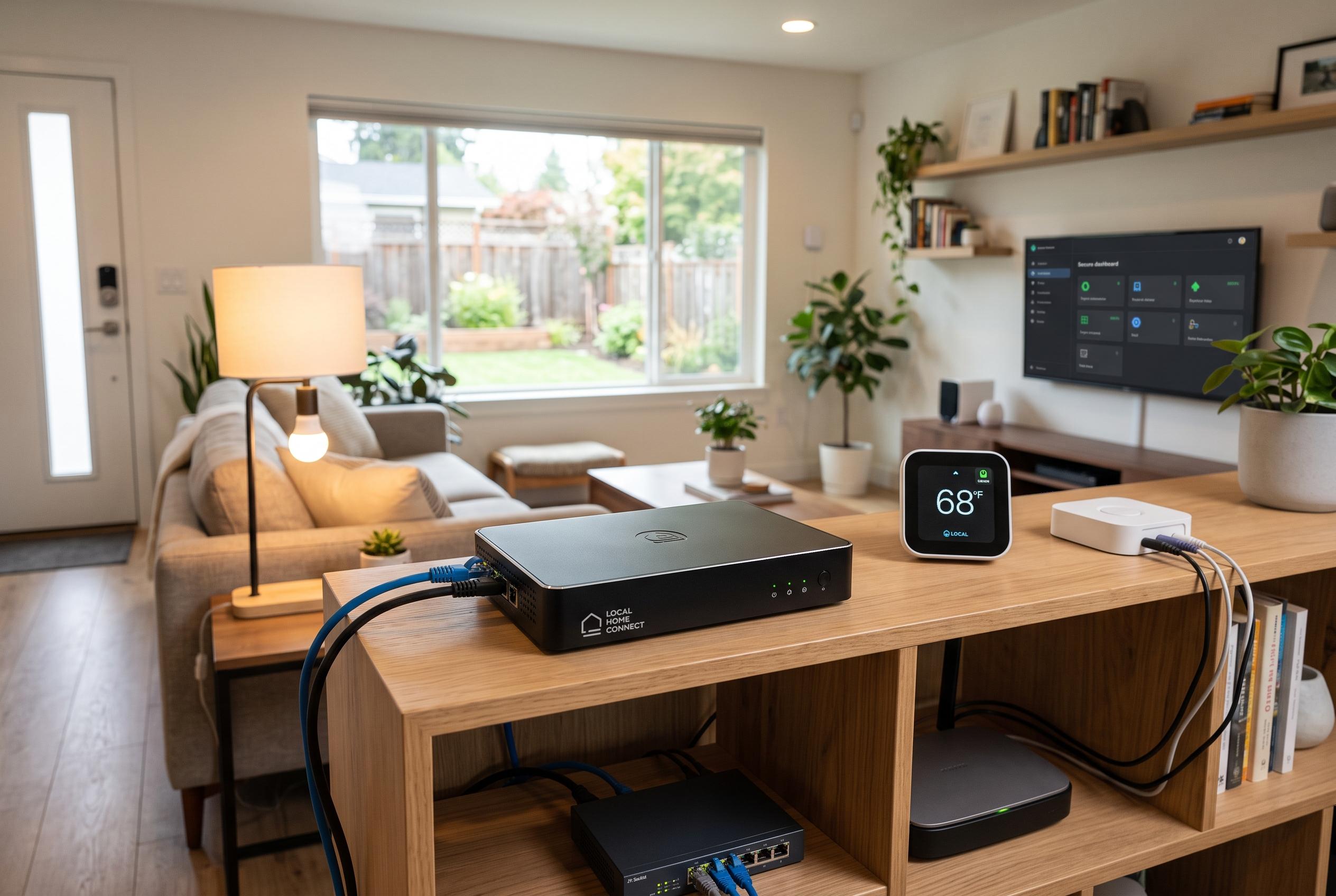
For consumers, the most practical defence is to favour local control. Devices that communicate directly on a home network, rather than depending on a remote server, are far less vulnerable to being abandoned. Protocols such as Zigbee and Z-Wave can keep working through local coordinators, while Matter over Thread is designed to allow direct device communication over a home network rather than constant cloud dependence. Hardware with local APIs, open firmware or support for standards such as MQTT and HTTP offers similar protection.
The broader lesson is that trust in a brand no longer guarantees longevity in a connected home. If a device needs a company’s servers to flip a switch, report a sensor reading or unlock its basic functions, the product is already on borrowed time. For buyers building a smart home meant to last, the safest choice is increasingly the least glamorous one: equipment that still works when the internet does not.
Disclaimer: This content is intended for informational purposes only. Readers are advised to exercise their own judgement, conduct due diligence, or consult a qualified expert before acting on any information provided.