
Advances in connected devices and AI are transforming homes into smarter, more efficient spaces that proactively detect issues and seamlessly integrate systems, marking a new era in homeownership and maintenance.
The idea of a smart home has moved far beyond voice assistants and app-controlled lights. According to the lead article, the real shift is toward homes that are easier to run, cheaper to maintain and better at flagging problems before they become expensive repairs. That broader trend is reflected in market research from Grand View Research, which says demand is being pushed by wider internet access, cheaper connected devices and growing interest in convenience and energy savings.
For many homeowners, the most useful upgrades are the ones that strengthen the basics. Kiplinger says older homes can be modernised without a full remodel by starting with entry points, smoke and carbon monoxide detection, leak sensors and smart thermostats. The same report says a smart thermostat can cut heating and cooling costs significantly, while better doors and keyless locks improve security without changing the character of the house.
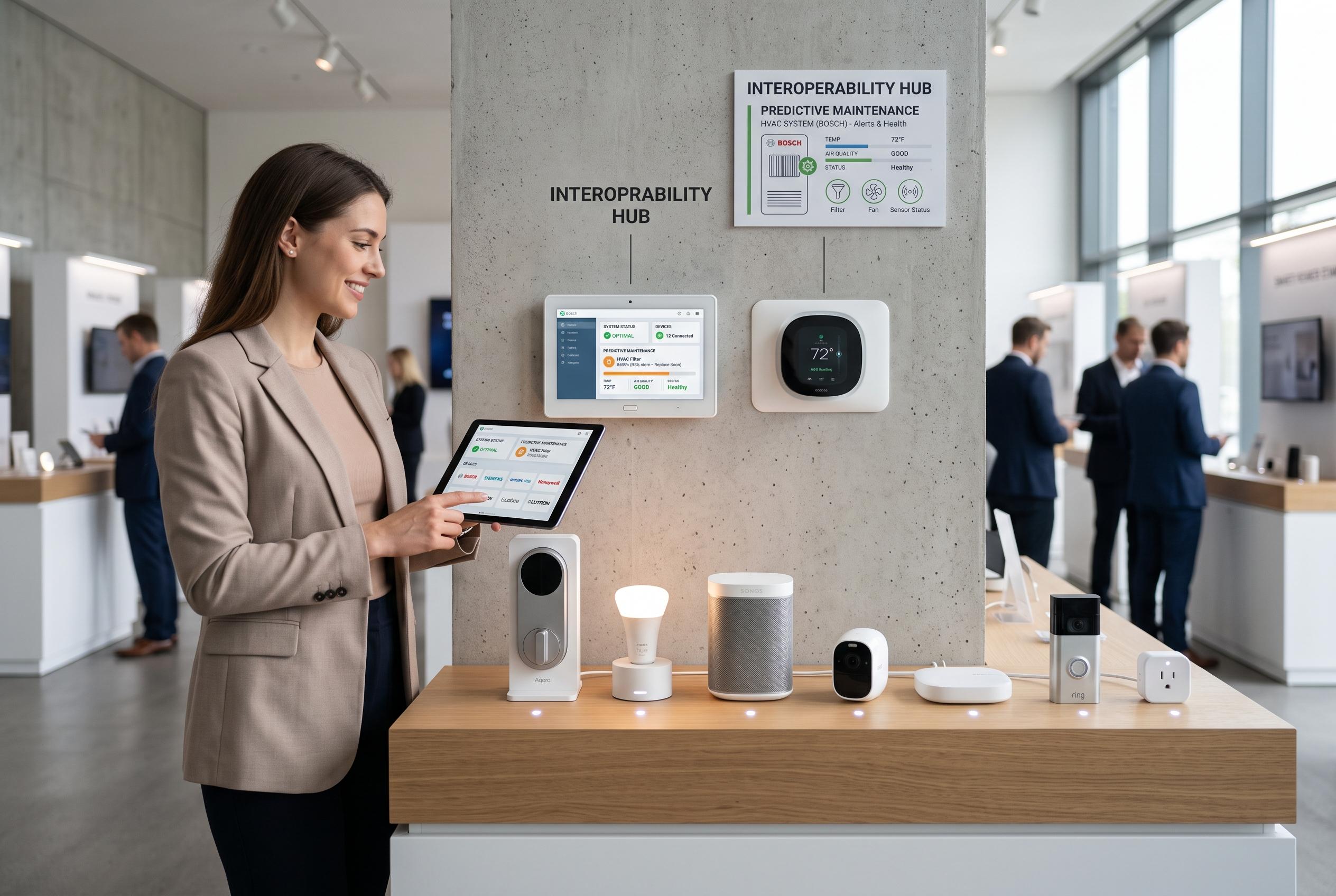
The biggest promise of connected home technology may be predictive maintenance. Instead of waiting for a boiler, pipe or appliance to fail, sensors can alert owners to unusual energy use, moisture or electrical activity before damage spreads. Smart Home Deck says the next wave of home automation is likely to rely more on context-aware artificial intelligence, on-device processing and systems that learn routines rather than simply follow commands. TechTimes adds that this is part of a wider move towards homes that adjust lighting, temperature and appliance schedules automatically.
That future depends on devices working together. Both Smart Home Deck and TechTimes point to interoperability standards such as Matter as a key requirement for making mixed-brand systems simpler to use. Privacy is another concern, with consumers increasingly wanting more local control over data rather than sending every interaction to the cloud.
At the same time, the maintenance side of homeownership is becoming more professionalised. Futuresmartshomes says the concept of a self-healing home is no longer science fiction, with AI-powered sensors increasingly being described as a way to monitor pipes, appliances and structural systems continuously. Oxmaint says smart building maintenance is also becoming a competitive requirement in commercial property, suggesting that the same logic is gradually filtering into homes: less reactive repair work, more planned upkeep and fewer surprises.
Disclaimer: This content is intended for informational purposes only. Readers are advised to exercise their own judgement, conduct due diligence, or consult a qualified expert before acting on any information provided.