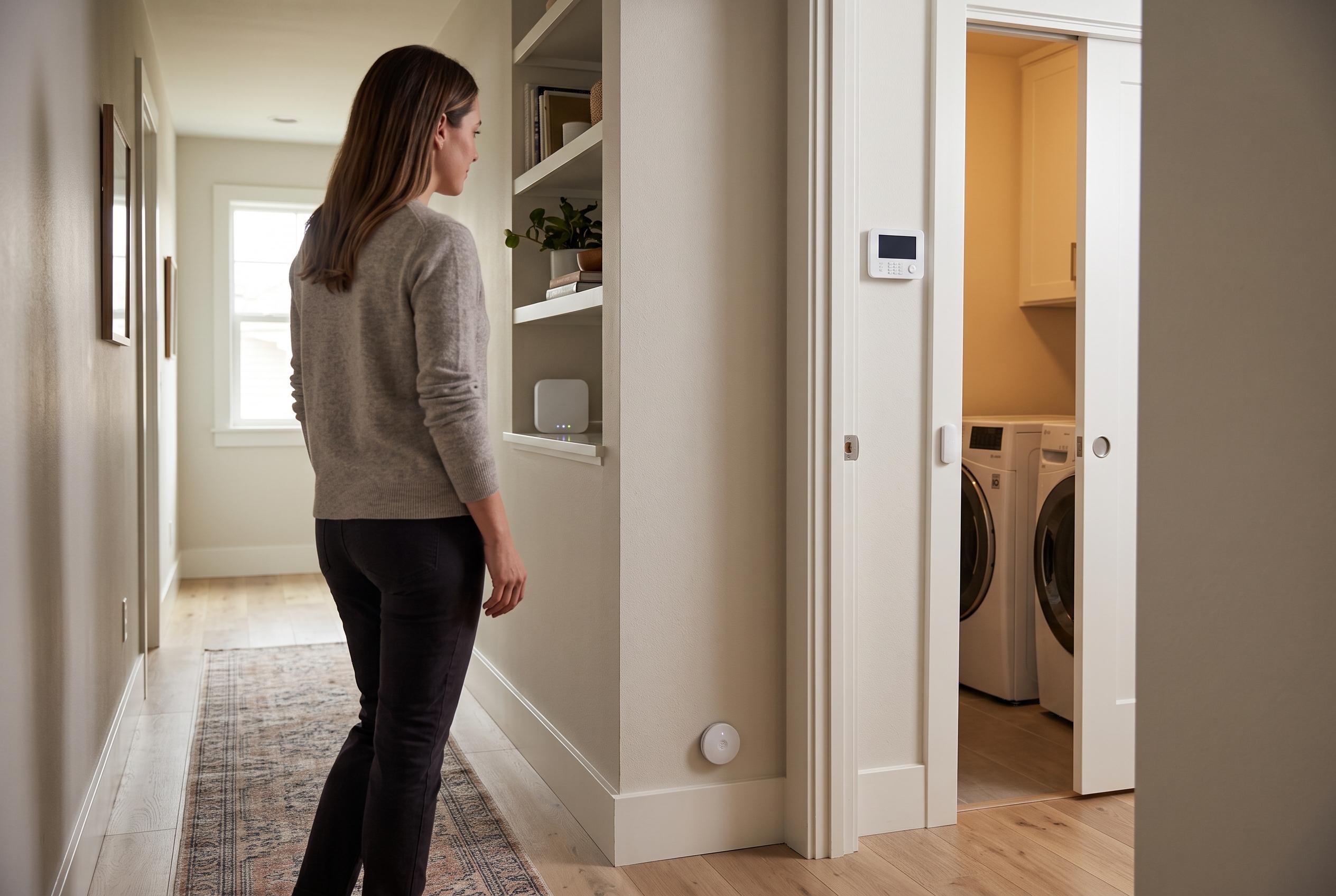

Advancements in smart security and leak detection technologies are prompting insurers to reward homeowners for early fault detection, signalling a shift towards a prevention-focused insurance landscape.
Preventative technology is becoming one of the most practical ways to reduce home insurance costs, because it lowers the chance that a small fault turns into a large claim. Smart leak detectors, shutoff valves, electrical monitors, connected smoke alarms and monitored security systems can all spot trouble earlier than traditional devices. Insurers are paying attention, and many now reward homeowners with discounts, device subsidies or policy benefits when those systems are in place.
The strongest case for these devices is water damage, which remains one of the costliest and most frequent sources of claims. Industry reporting has pointed to billions of dollars in annual US water-related losses, which helps explain why insurers are so focused on early leak detection and automatic shutoff technology. Point sensors placed near sinks, washing machines or water heaters can alert a homeowner to moisture quickly, while whole-home flow monitors can detect unusual usage and turn off the water supply before a burst pipe or hidden leak does more damage.
That same logic now extends across several categories of home protection. Smart smoke and carbon monoxide alarms can notify a homeowner remotely and, in some cases, trigger professional monitoring. Electrical safety products can identify micro-arcing or other warning signs in a home’s wiring before a fire starts. Connected security systems, meanwhile, add sensors, cameras and monitoring services that can deter theft and speed up response when something goes wrong. In practical terms, insurers are rewarding not just the devices themselves, but the reduction in expected loss that comes with earlier detection.
Discount structures vary widely, but the pattern is consistent. Consumer guides note that monitored security systems, water leak detectors and smart smoke alarms are often the most valuable categories from an insurance perspective, while devices such as smart locks or doorbell cameras tend to deliver smaller savings. Savings can range from modest reductions to double-digit discounts depending on the insurer, the state and whether the system is professionally monitored. Self-monitored devices may still qualify, but they usually earn less than systems that include a monitoring centre.
Several major insurers have already built smart-home incentives into their home insurance offerings. Amica says its Smarter Home Savings programme provides discounts for connected devices that help prevent theft, fire and water loss, with larger reductions in some states. Other insurers, including those cited in industry round-ups, have offered device partnerships, premium discounts or both. The details matter: one carrier may reward a leak sensor only when it is actively connected to a monitoring service, while another may discount the underlying policy only after specific installation requirements are met.
There is also a growing data question behind these discounts. Some insurers require device data to be shared as a condition of the saving, particularly where the system is part of a broader monitoring programme. That can be useful for underwriting and claims prevention, but it also raises privacy and cybersecurity considerations. TechRadar has reported that the sector’s move towards sensor-driven risk management comes with new concerns about breaches and the handling of home data, a reminder that convenience and protection should be weighed against information-sharing obligations.
For homeowners, the important point is that installing a qualifying product does not automatically produce a premium reduction. Insurers often require proof of purchase, installation and, where relevant, monitoring enrolment before the discount is applied. Documentation should be kept carefully, and policyholders should confirm that the device is listed on the declaration page or the next renewal notice. If a system goes offline or is removed, the saving may disappear at renewal.
The financial case for smart home protection is not limited to the discount itself. In many cases, the bigger gain is avoiding a claim altogether. A relatively inexpensive leak detector that prevents a major water loss can pay for itself many times over, even before any premium reduction is counted. The same is true for fire, gas and intrusion systems: the principal value is damage avoided, not just money saved on the policy. Insurers are moving towards a prevention-first model because it reduces losses for them and stabilises risk for homeowners.
Disclaimer: This content is intended for informational purposes only. Readers are advised to exercise their own judgement, conduct due diligence, or consult a qualified expert before acting on any information provided.