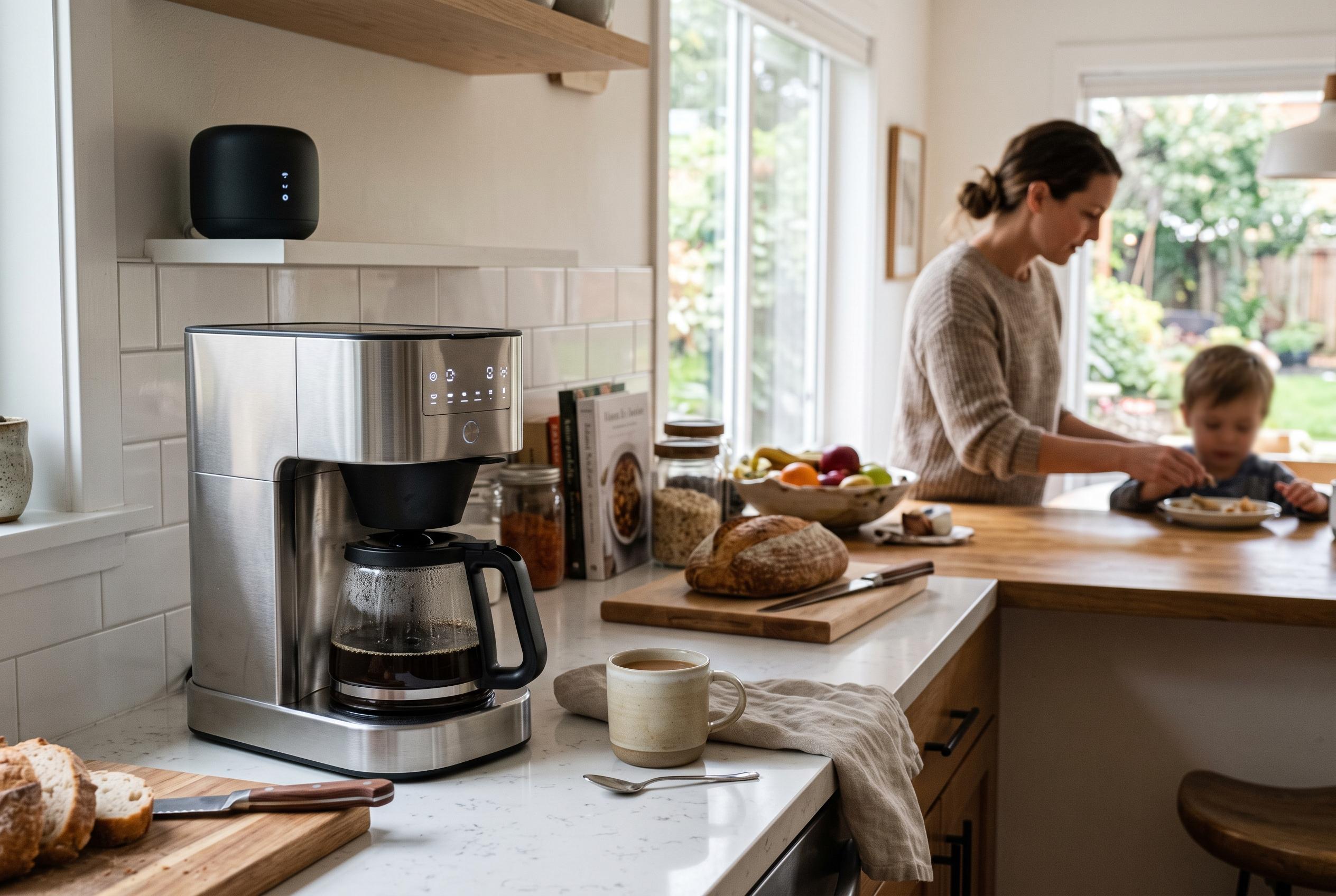

A malfunctioning connected coffee machine overwhelmed a family network, highlighting the unexpected bandwidth and security risks posed by smart-home appliances.
An IT worker has highlighted how a single smart appliance can distort a home network after discovering that a Keurig coffee maker had sent more than 1 terabyte of data in just over 10 days. According to reports by TechSpot, Cybernews and UNILAD Tech, the device was consuming so much bandwidth that it had begun to swamp an access point on the family network before the owner unplugged it and planned a replacement.
The episode is a reminder that connected household products can behave like any other networked computer, including when they malfunction. In this case, the scale of the traffic was far beyond what would normally be expected from a coffee machine, suggesting a software fault or another background process rather than routine use. Cybernews reported that rebooting the device and moving it on to a separate network resolved the problem.
Keurig’s smart machines are designed to work with a mobile app that allows remote brewing, coffee purchases and subscription-style delivery management. That convenience is part of the broader appeal of the smart-home market, but it also increases the number of devices capable of producing unexpected traffic, collecting data or failing in ways that are harder to diagnose than with conventional appliances.
Security specialists have long warned that IoT devices are often treated as secondary to phones and computers when it comes to patching and hardening. That leaves homes and small offices exposed not only to network congestion, but also to device compromise, weak firmware support and the risk that products become difficult to use if a manufacturer stops maintaining them. For operators trying to keep tabs on unusual behaviour, monitoring usage closely and isolating devices on separate networks can make a major difference.
The concern is not limited to coffee makers. Industry reporting has repeatedly shown that robot lawn mowers, cameras and other domestic IoT devices can expose location data, property layouts and Wi-Fi details if poorly secured. Basic monitoring tools, data caps and alerts are increasingly seen as practical safeguards, particularly when manufacturers build in features such as remote access and automated updates that can create background traffic and hidden failure modes.
The incident also lands at a time when major technology companies are still pushing deeper into the home. Apple is expected to unveil a smart home hub with a display later this month, underlining how quickly connected appliances and household control systems are spreading despite persistent questions about privacy, reliability and resilience.
Disclaimer: This content is intended for informational purposes only. Readers are advised to exercise their own judgement, conduct due diligence, or consult a qualified expert before acting on any information provided.