
Choosing the right coverage, placement, and features is essential for effective home security cameras, with recent advances in smart detection and flexible installation options reshaping traditional approaches.
The first decision in buying home security cameras is not the brand or the resolution, but the coverage. According to Security.org and other placement guides, the most effective systems start with the obvious risk points: front and back doors, side access, garages, driveways and other routes an intruder is likely to use. A rough plan of the property can reveal blind spots and prevent unnecessary duplication, which often means fewer cameras are needed than expected.
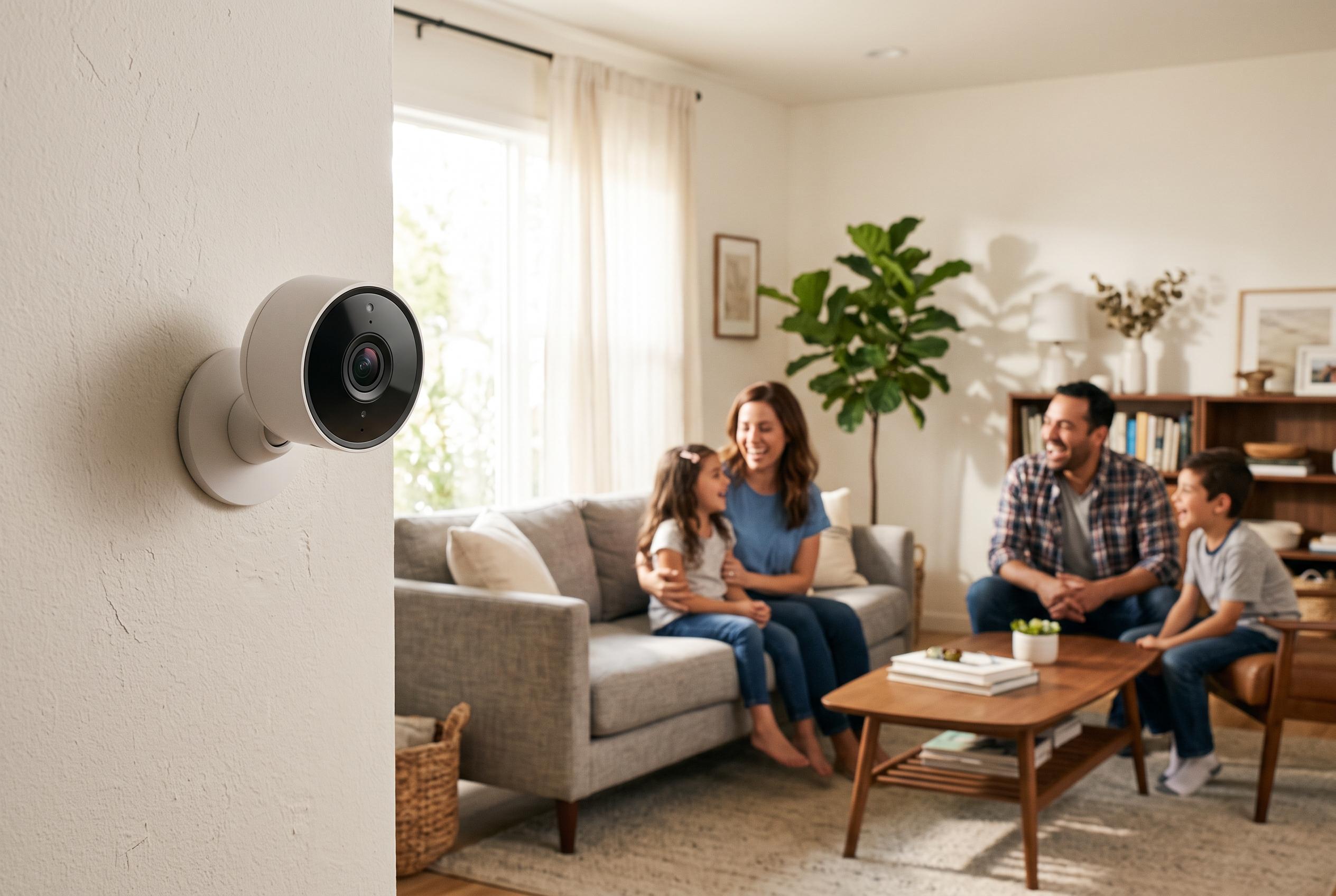
The next choice is the type of camera each location actually needs. Indoor cameras are useful for monitoring specific rooms or internal access points, but they raise more privacy concerns and are often best used with shutters or recording controls. Outdoor models are built for exposure to weather and usually add night vision, motion detection and, in some cases, spotlights or sirens. Video doorbells serve a different purpose again, giving a live view of visitors and deliveries at the front entrance.
Power supply is another practical trade-off. Wireless cameras are quicker to fit and easier to move, which suits renters and smaller retrofits. Wired systems are more complex to install, but they provide constant power and are better suited to new builds or renovations. Several guides also recommend speaking to an electrician early if cabling might be needed later, because that can preserve more installation options and reduce disruption.
Image quality matters, but so does where the camera can see at night. Most current systems offer 1080p, while 2K and 4K models provide more detail for larger areas such as driveways and back gardens. Night performance is equally important: infrared gives black-and-white images in low light, while some higher-end units offer colour night vision. The best choice depends on the light available around the camera and whether identifying faces, number plates or movement is the main priority.
Storage is a further decision that affects both cost and control. Cloud recording keeps footage online and makes it accessible from anywhere, but it often brings subscription fees and raises questions about privacy and network security. Local recording on a microSD card, hard drive or network video recorder avoids recurring charges, though capacity is limited and footage can be lost if the device is damaged or stolen. Some systems combine both methods, which may suit households that want redundancy without relying entirely on a paid service.
Smart detection has become one of the most useful developments in home security cameras, but it is not always included as standard. Better systems can distinguish between people, vehicles, animals and parcels, which cuts down on nuisance alerts. Activity zones, adjustable sensitivity and schedules also help reduce false notifications, especially on streets with regular pedestrian traffic. Buyers should check whether these functions are built in or tied to a subscription plan.
Placement remains the final test of whether a system will work properly. Security specialists say cameras should be mounted to capture approach paths and faces, not just the moment someone reaches the door. Many guides recommend a height of roughly 8 to 10 feet, angled downwards, while avoiding backlighting, direct sun and obstructions from fences or planting. Privacy also matters: cameras should not intrude on neighbouring homes or private spaces. In practice, thoughtful positioning is usually more valuable than simply adding more devices.
Disclaimer: This content is intended for informational purposes only. Readers are advised to exercise their own judgement, conduct due diligence, or consult a qualified expert before acting on any information provided.