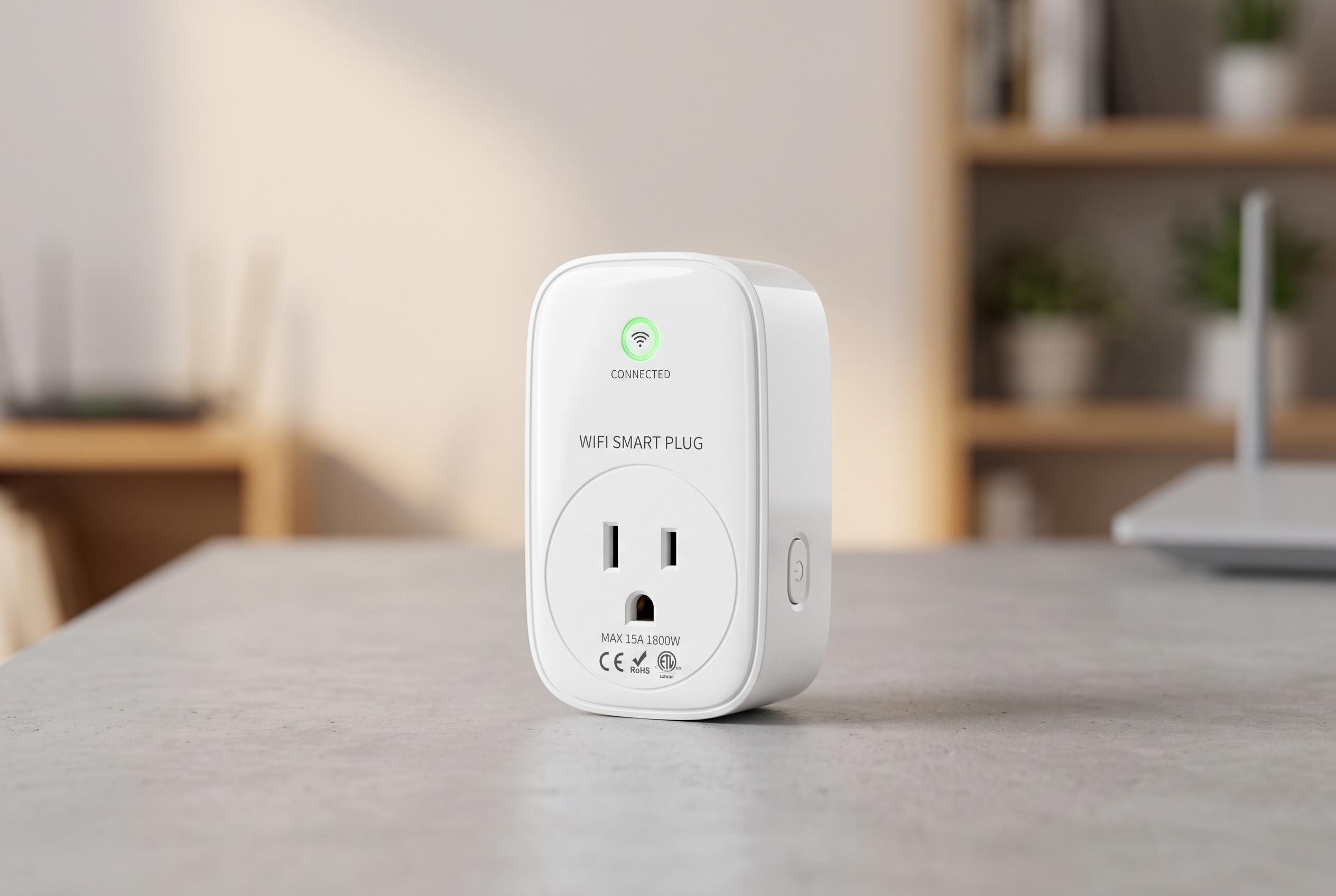

Smart plugs are rapidly advancing from simple devices to crucial elements of home control, with focus on cross-platform compatibility, safety, and user-friendly apps, transforming daily routines and energy management.
Smart plugs have moved from novelty items to useful everyday tools for home control and energy management. Popular Mechanics says the most common reasons buyers start with them are security and tracking power use, but the real value often appears later, when people begin automating routine tasks such as brewing coffee, warming a blanket or switching off appliances before leaving home. Consumer Reports similarly notes that the appeal is not only convenience but also the ability to manage devices more reliably from a phone or voice assistant.
Compatibility is the first practical constraint. Popular Mechanics says shoppers should check whether a plug works with their existing ecosystem, and newer models increasingly support Matter, the cross-platform standard designed to work with Amazon Alexa, Google Assistant and Apple Home. That matters because smart home systems are still fragmented, and a plug that looks simple on the box can be awkward if it does not match the rest of the household setup.
Power handling is just as important. The outlet may be smart, but the electrical limit still applies, and Popular Mechanics advises matching the amp rating to the appliance. Smaller devices usually fit within 10 or 12 amps, while heavier loads such as heaters or air conditioners generally call for 15 amps or more. That distinction is basic but critical, since overloading a plug defeats both convenience and safety.
The app experience can determine whether a smart plug becomes genuinely useful or simply another piece of clutter. Popular Mechanics says the best apps make scheduling and Away Mode easy to use, while Consumer Reports places strong weight on usability and security features. TechRadar’s recent review coverage also shows that buyers increasingly expect clear interfaces, voice-assistant compatibility and reliable setup, especially in lower-cost models where the hardware itself may be unremarkable.
Popular Mechanics says its own testing drew on in-house smart home experience and input from reviewer Stefan Vazharov, then moved on to sample devices from major brands including Kasa, Lutron, Amazon, Wemo and Wyze. The publication compared compatibility, user experience, power limits, size and appearance before naming category winners. That approach reflects the broader smart plug market as covered by Tom’s Guide, PCWorld, TechRadar and Price.Review: the category is now defined less by novelty than by how well each model fits a specific home, platform and workload.
Disclaimer: This content is intended for informational purposes only. Readers are advised to exercise their own judgement, conduct due diligence, or consult a qualified expert before acting on any information provided.