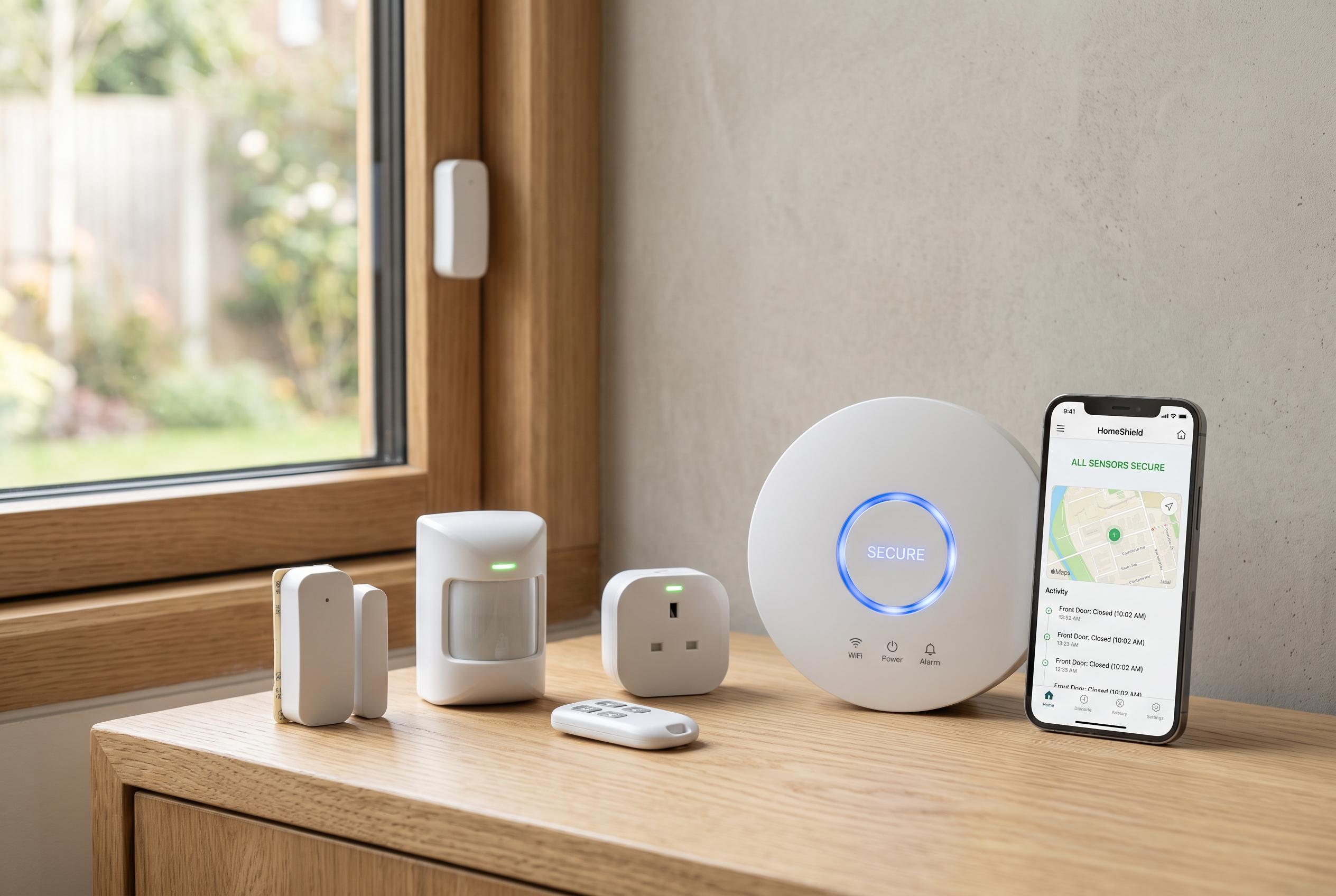

The market for window and door alarm kits is evolving with a split between basic battery-powered alarms and advanced smart systems that offer real-time alerts, catering to diverse household needs and budgets.
Window and door alarm kits remain one of the most practical low-cost security upgrades for households that want an immediate audible warning without installing a full surveillance system. The products highlighted in the guide range from basic magnetic contact alarms to app-connected systems, reflecting a market split between simple, battery-powered devices and smarter kits that send phone alerts and can be expanded over time.
Among the more advanced options, Bob Vila and SafeWise both point to smart sensor systems such as YoLink and Ring, which add longer-range wireless communication or real-time notifications when an opening is triggered. Those guides also note that GE’s Personal Security Window and Door Alarm remains a common budget choice because it is inexpensive and easy to fit, while Eva Logik’s vibration-based model is better suited to glass-break detection than a standard contact sensor.
For homes where night-time movement is the main concern, HerGuarded emphasises the value of immediate sound rather than app alerts. Its coverage of sleepwalker-focused alarms highlights peel-and-stick magnetic units and over-the-knob alarms that trigger as soon as a door moves, making them useful for parents who want a simple deterrent without delays, wiring or complicated setup.
Alibaba’s buying guidance adds a useful price frame: basic standalone sensors generally sit in the lowest price band, smart units cost more and branded multi-sensor kits occupy the premium end. It also warns against extremely cheap generic products with weak reliability, a point that matters for buyers who may be tempted by low prices but need consistent activation and decent build quality.
Taken together, the coverage suggests the best choice depends less on brand than on use case. Small homes and apartments may only need a handful of adhesive alarms on main entry points, while larger families may benefit from broader multi-pack coverage or connected systems with remote alerts. For many households, the most sensible option is still the one that is easiest to install, loud enough to be useful and simple enough to live with every day.
Disclaimer: This content is intended for informational purposes only. Readers are advised to exercise their own judgement, conduct due diligence, or consult a qualified expert before acting on any information provided.