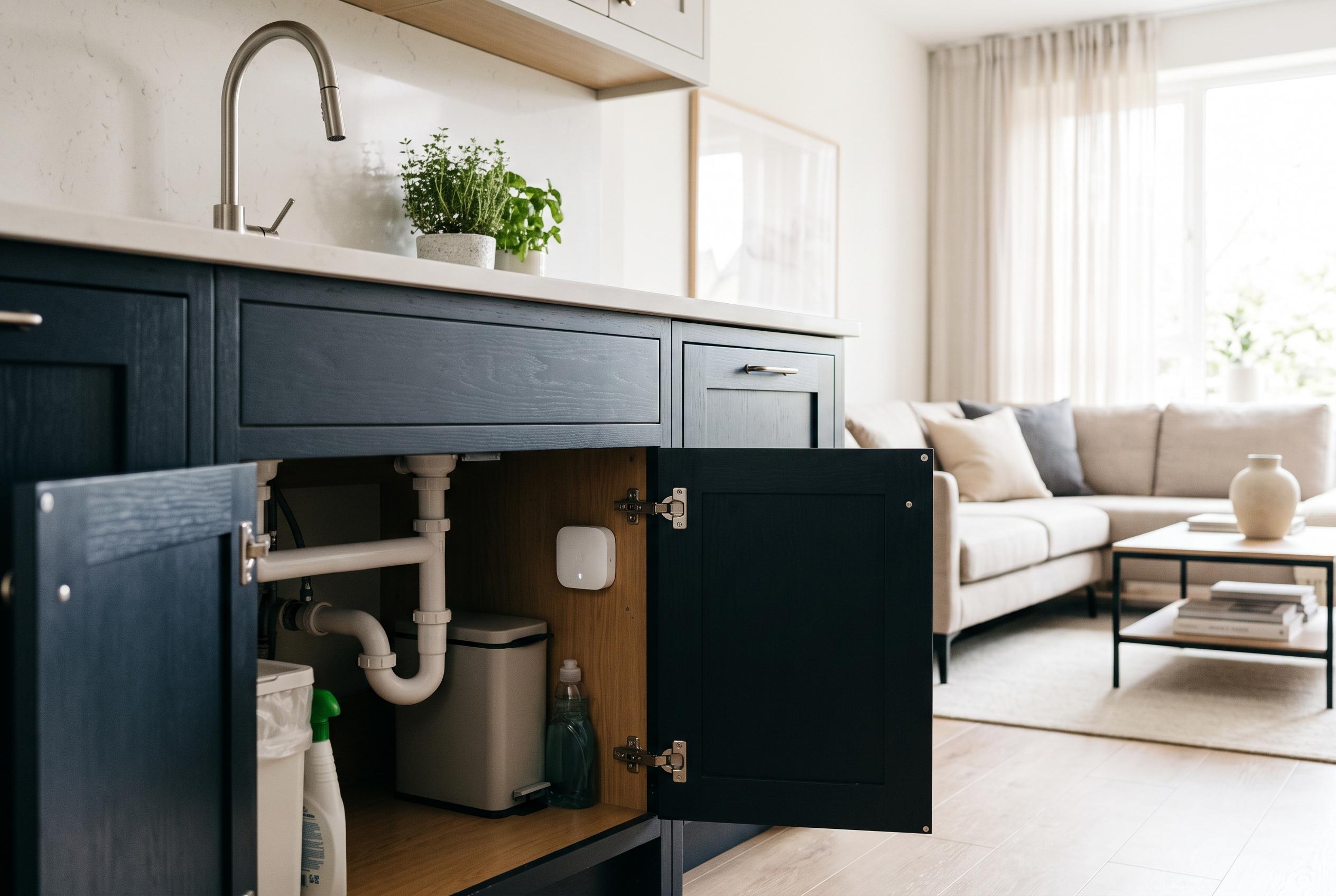

A shift towards cost-effective, flexible smart sensors like Aqara’s devices is redefining home safety, with water leak detection surpassing fire alarms in home insurance claims and offering seamless integration across ecosystems.
Water leaks may be more common than fires in the home, and the piece in Frankfurter Allgemeine Zeitung argues that smart sensors can make it far cheaper and easier to guard against them. The author says water damage accounts for about 60% of insurance claims, while fires make up only 10% to 15%, a gap that helps explain the appeal of compact, low-cost leak detectors.
The article describes a shift away from pricier systems that require mains power and long cables. After disappointing results with Eve Systems sensors, the writer turned to Aqara, a Chinese smart-home maker whose devices had already proved reliable through a G5 Pro camera. A bulk order from AliExpress brought in water sensors, door and window sensors and temperature and humidity monitors at a fraction of the cost of the earlier setup.
In Germany, the writer then bought Aqara’s Hub M3 for €120. According to Aqara’s product information, the hub acts as a bridge across Wi-Fi, Bluetooth, Zigbee, Thread and Matter and can tie into Apple, Amazon, Google, Samsung and Home Assistant systems. The article says the device also includes a speaker for warnings, making it more than a simple control box.
The real test came after the sensors were placed under sinks and in a boiler and laundry room. One Sunday, the system triggered an alarm through both the app and the hub speaker, and the writer later found a leak from a newly fitted tap in a guest toilet. Another alert in the kitchen also proved justified, and the article says no false alarms had appeared in the preceding weeks.
The same setup was then used to track temperature and humidity, with the article saying readings now appear immediately in the app rather than being pulled in first over Bluetooth, as had been necessary with the earlier Eve devices. Aqara’s software also allows push notifications when thresholds are crossed, such as humidity rising above 70% in a bathroom. The writer further reports that Apple HomeKit automation worked smoothly in testing, including a vibration sensor used to switch on a bedroom light when someone went up the cellar stairs at night.
The article also highlights the Multi-Sensor P100, which Aqara says can monitor doors and windows while also detecting movement, tilt, vibration and drops. Aqara’s own product pages describe it as a two-in-one device that works with Thread and Zigbee and is compatible with Matter-based smart-home systems. The writer found the sensor powerful but noted that switching between modes in the app took several attempts.
Overall, the piece presents Aqara as a capable and comparatively inexpensive route into home automation, especially for basic monitoring tasks where wide coverage matters more than premium branding. It also points to a broader trend in smart-home gear: the move towards devices that are smaller, cheaper and more flexible, while still being able to slot into multiple ecosystems.
Disclaimer: This content is intended for informational purposes only. Readers are advised to exercise their own judgement, conduct due diligence, or consult a qualified expert before acting on any information provided.