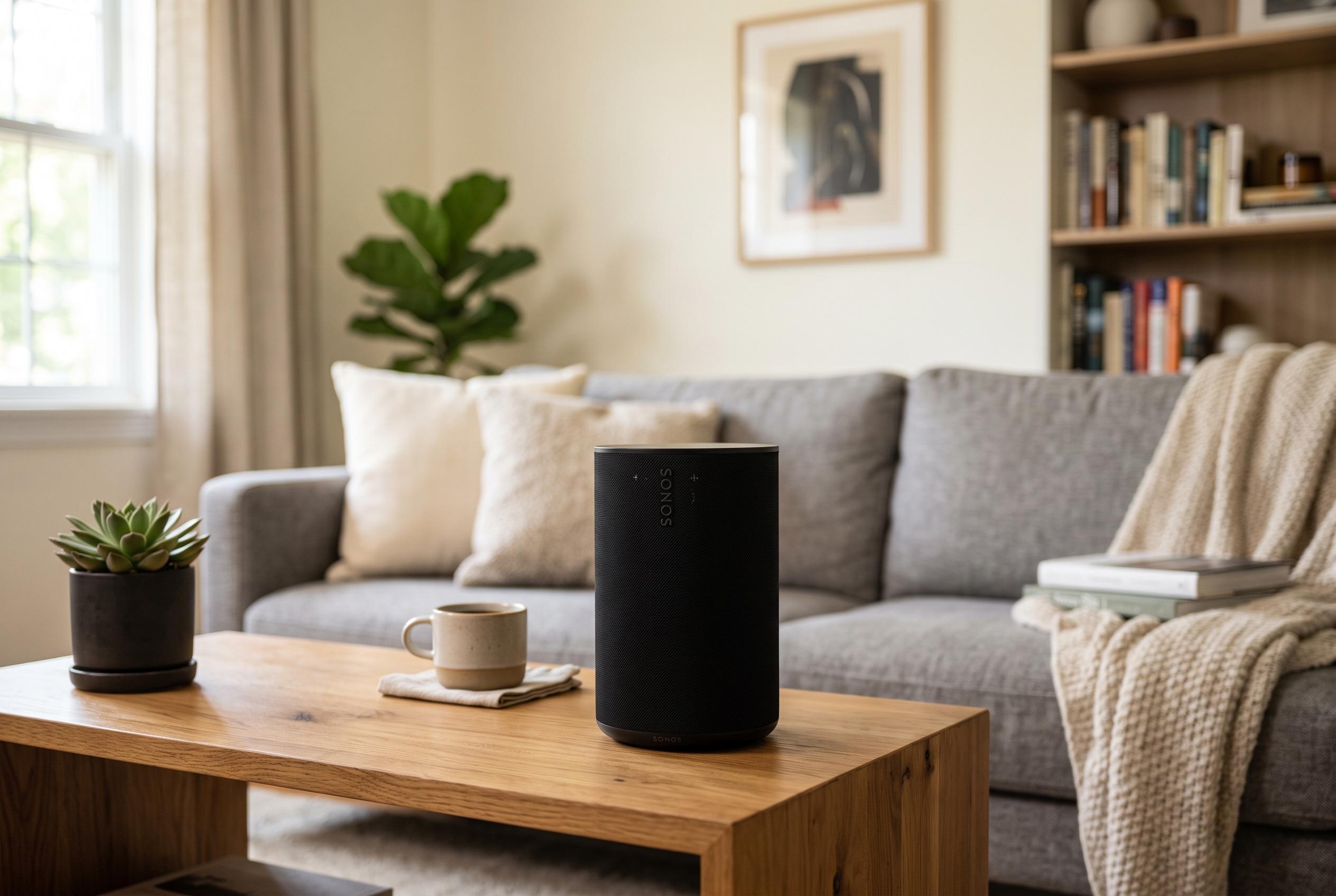

The smart speaker landscape is evolving with Google, Amazon, and OpenAI launching models that prioritise AI subscription services over traditional audio quality, reshaping household AI adoption.
The smart speaker market is stirring again, but the contest is no longer about audio alone. Google, Amazon and OpenAI are each framing the device as a gateway to a different kind of home assistant: one centred on Gemini, one on Alexa+ and one on a more ambient form of ChatGPT-driven computing. That shift matters because it turns a familiar product category into a test of which AI system people are willing to keep in their homes.
Google’s new Home Speaker marks its first fresh smart speaker in six years and, according to reporting from Finder and Android Central, it launched in Australia on 25 June 2026 at AU$199. The device runs Gemini rather than Google Assistant and is designed around 360-degree audio, an underglow light ring and on-device AI processing. Google is also bundling a six-month Google Home Premium trial for eligible buyers, after which the service costs AU$15 a month for features such as Gemini Live and related home functions.
That pricing is the awkward part. The hardware itself is not especially cheap by smart speaker standards, and the subscription model means the real cost rises quickly once the trial ends. The comparison with Google’s older Nest-era products also underlines how much the company has shifted its strategy: the speaker is now less a standalone gadget than a delivery vehicle for recurring AI services.
Amazon is following a similar path. In its announcement of new Echo devices, the company introduced the Echo Dot Max and Echo Studio as Alexa+ hardware, with prices of US$99.99 and US$219 respectively. The Dot Max uses the AZ3 chip, while the Studio carries the more powerful AZ3 Pro chip. Both devices also rely on Omnisense, Amazon’s sensor-fusion system that combines audio, ultrasound and Wi-Fi radar to make Alexa more aware of what is happening in the room.
OpenAI’s plan is even more ambitious, and more unsettling. Bloomberg has reported that the company is working on a screenless, doughnut-shaped device designed by Jony Ive’s LoveFrom studio, with a camera that observes the environment and sends that context to ChatGPT. The product, which is said to include moving elements to show when it is responding, is expected to cost more than US$300 and is not due until 2027 at the earliest.
The broader point is that smart speakers are becoming AI subscription platforms first and household audio devices second. Google and Amazon are both asking buyers to invest in hardware now and pay later for the software that makes the devices most useful. OpenAI is taking a different route, aiming to redefine the category entirely. For consumers, the question is no longer which speaker sounds best. It is which assistant they are willing to let into the home.
Disclaimer: This content is intended for informational purposes only. Readers are advised to exercise their own judgement, conduct due diligence, or consult a qualified expert before acting on any information provided.