
Recent investigations reveal that LG’s smart TVs may be logging user content, mapping devices, and exposing home networks to security risks, prompting calls for tighter privacy controls and user awareness.
Smart TVs face growing scrutiny over data tracking and security flaws
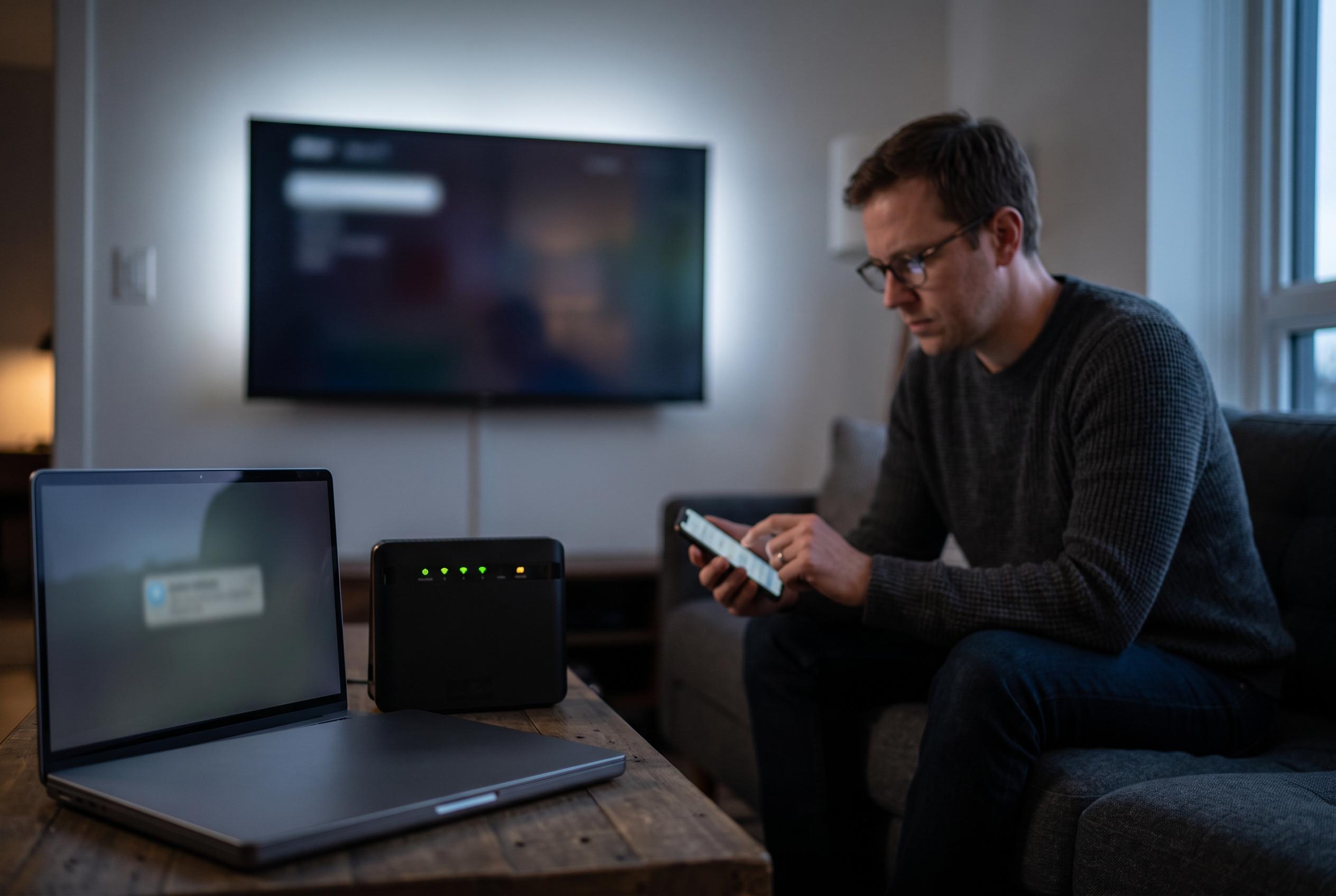
A new round of scrutiny has put LG’s smart TVs back in the spotlight, after researchers said the sets were doing far more than simply displaying programmes. According to an investigation by Gamers Nexus, working with Level1Techs and independent security researchers, the televisions were found to use automatic content recognition to log what was on screen, while also mapping nearby devices and Wi-Fi networks inside the home. The report also raised a more serious concern: security weaknesses in webOS that could, in theory, allow an attacker to use the TV’s microphone as a listening device.
LG disputes the suggestion that it routinely captures ambient conversations. The company says voice data is only handled when a user presses the voice button or activates the “Hi LG” wake word, and that audio is deleted locally if no wake word is recognised. Researchers, however, argue that the default settings and the way data flows through the device still create privacy risks, even if the company says the intention is different.
The technology at the centre of the dispute is automatic content recognition, a system that works in a similar way to audio-identification services but is designed to identify whatever appears on the television. RTINGS and other testers have found this kind of tracking on a range of sets from Samsung, LG, Sony, Hisense, TCL, Vizio and Roku. The broader industry model is straightforward: the television samples audio and video, matches it against a database, then builds a profile of viewing habits that can be sold or used to target advertising.
What made the latest LG findings more alarming, according to the report, was the apparent breadth of the data collection. The television was said to identify not just programmes and ads, but also phones, printers and other connected devices on the home network, along with Wi-Fi names and signal strengths nearby. That kind of information, combined with viewing logs, can produce a detailed picture of how a household is set up and how it is used.
The security angle matters because smart TV vulnerabilities can turn a passive device into an entry point for the rest of the home network. The report said researchers found that a microphone could capture clean audio even while the set was in standby mode, and that recordings could be stored locally before being uploaded once the television reconnected to the internet. It also pointed to remote-execution bugs in webOS, though full technical details were withheld while disclosure is handled responsibly.
The concerns are not unique to LG. The Texas attorney-general has already brought cases against Samsung, Sony, LG, TCL and Hisense over the collection of ACR data without proper permission, while Samsung and LG have both reached settlements. LG agreed in May 2026 to clearer opt-outs and to stop passing viewing data to the Chinese government, according to the settlement terms described in reporting on the case. Elsewhere, research cited by TechRound has shown that some smart TV apps have also been used to route third-party traffic through home internet connections, underlining how connected televisions can create privacy and security risks well beyond the living room screen.
For consumers, the practical response is familiar but important: install firmware updates promptly, review privacy settings, and disable ACR, ad identifiers and voice features where possible. In many sets, these controls are hidden deep within privacy menus and are enabled by default during set-up. Network separation can also help, since placing a TV on a guest or IoT network limits damage if the device is compromised. The most cautious approach is to keep the screen offline and use an external streaming box instead, reducing what the manufacturer can collect and what an attacker can reach.
Disclaimer: This content is intended for informational purposes only. Readers are advised to exercise their own judgement, conduct due diligence, or consult a qualified expert before acting on any information provided.