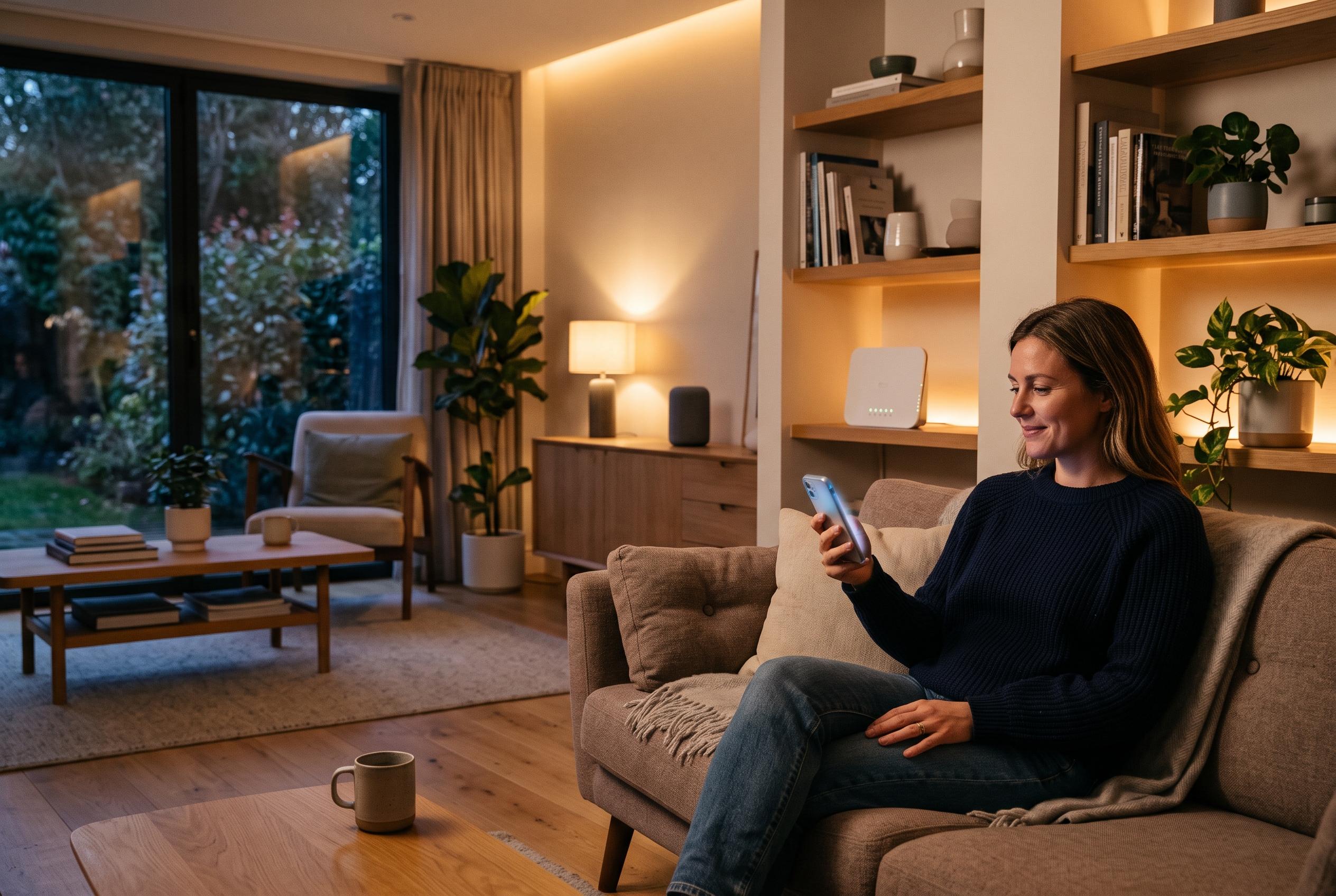

Adaptive lighting, bedtime routines and energy-saving presence detection can make a home feel smarter without buying another device.
Setting up a smart home can become expensive quickly, not because the hub is costly but because every useful routine seems to demand another device. Yet, as How-To Geek points out, a surprising number of practical automations can be built with equipment many homes already have, particularly when the Home Assistant ecosystem is doing the orchestration. The result is a system that feels more polished, more responsive and often more energy efficient, without adding fresh hardware.
One of the most effective examples is adaptive lighting. Rather than leaving bulbs fixed at one colour temperature and brightness, Home Assistant can vary them through the day so they track the rhythm of natural light. That means a softer, warmer scene in the early morning, brighter and cooler output around midday, and a gradual return to warmer tones towards evening. The attraction is not just convenience: even inexpensive smart bulbs can appear far more sophisticated when they behave this way. How-To Geek notes that the custom integration handles much of the complexity automatically, using the sun’s position and the user’s preferences to shape the lighting schedule.
Another useful trick is to let your phone signal the start of your bedtime routine. A fixed schedule is often too rigid because most households do not go to sleep at exactly the same time every night. Instead, the Home Assistant Companion app can be used to detect when a handset begins charging late in the evening, which is usually a reliable indicator that someone is turning in. That single event can trigger actions such as switching off lights, lowering the heating, locking doors or arming alarms. In practice, it is a simple way to automate a cluster of small but necessary tasks without buying a dedicated bed sensor.
Calendars can also make automations far more intelligent. Rather than hard-coding routines for weekdays, Home Assistant can use calendar entries to decide when a schedule should or should not run. That matters when ordinary patterns are disrupted by holidays, remote working or travel. According to How-To Geek, this approach can stop routine heating changes from activating on days off, while still allowing the system to resume normal operation before a return home. It is a modest shift in design, but it makes automations less brittle and far more useful in real life.
The same principle applies to presence detection. If everyone in the household has the Home Assistant Companion app installed, geolocation can tell the system when the home is empty and when someone returns. That allows heating, cooling and other power-hungry services to shut down when the house is vacant, then restart automatically when the first person comes back. Another practical use is guest mode: by watching for devices joining a guest Wi-Fi network, the home can adapt itself for visitors without changing the family’s own settings. That reduces the risk that guests will be confused by lights, TVs or other controls behaving in an unfamiliar way.
The broader point is that a smart home does not need a vast inventory of specialist equipment to be genuinely useful. With Home Assistant and the phones, bulbs and network infrastructure already in place, it is possible to build automations that respond to time, location, charging behaviour and calendar events. As How-To Geek suggests, the real value comes not from accumulating more devices, but from making better use of the ones already in the house.
Disclaimer: This content is intended for informational purposes only. Readers are advised to exercise their own judgement, conduct due diligence, or consult a qualified expert before acting on any information provided.