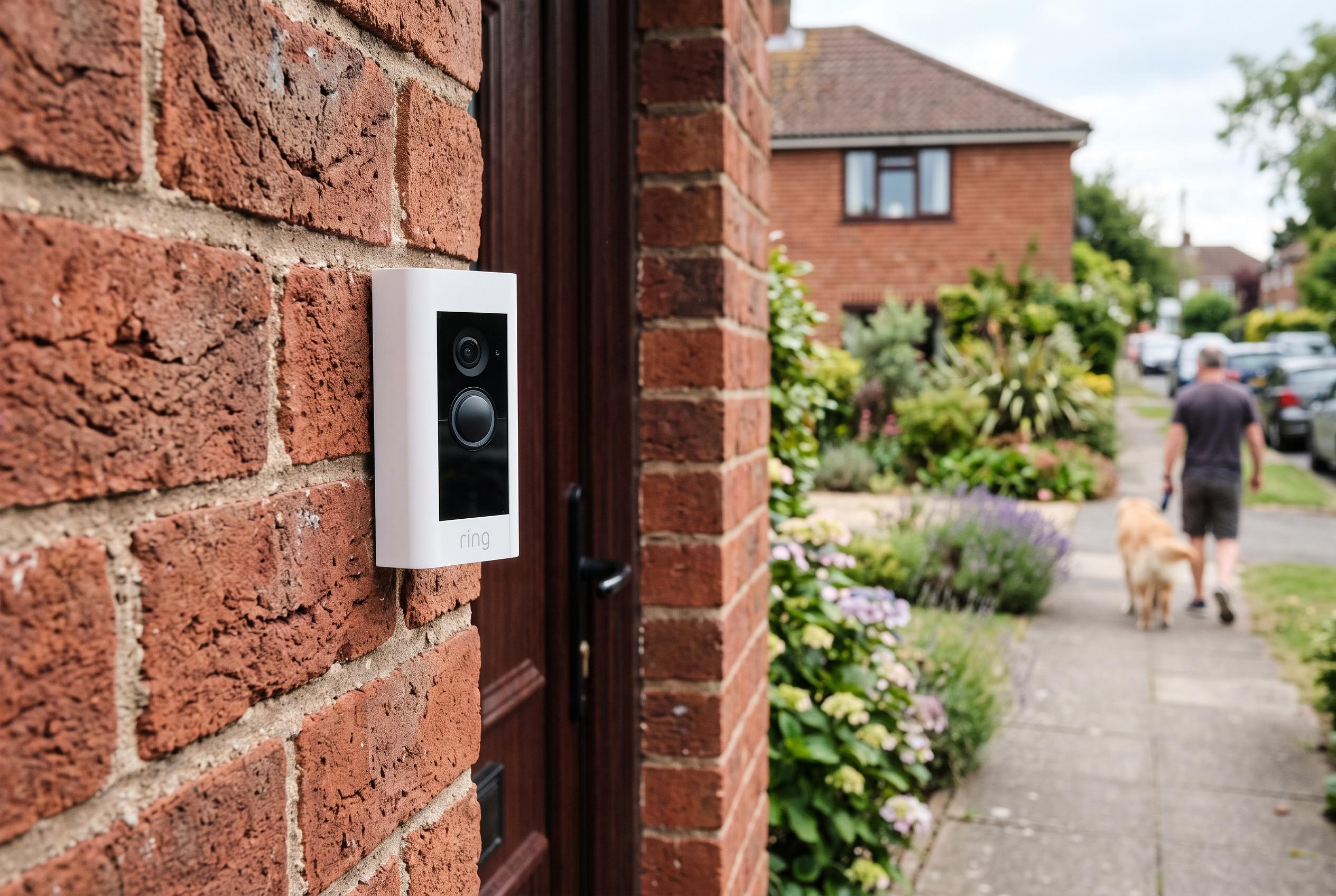

New UK rules emphasise responsible use of doorbell cameras, stressing the importance of respecting neighbours’ privacy and understanding data protection obligations when recording beyond private property.
Video doorbells are now common on UK homes, but their use is not a free-for-all. Under guidance from the UK government and the Information Commissioner’s Office, a domestic camera is generally lawful when it is confined to the owner’s property. Once it begins to record pavements, roads, shared entrances or a neighbour’s home, however, data protection duties can apply.
That is the key distinction for householders who are concerned about a neighbour’s device. Guidance from Homebuilding and recordinglaw.com says the owner may become a data controller if the camera captures people outside the boundary of the property, bringing obligations under the UK GDPR and the Data Protection Act 2018. The practical test is proportionality: the device should serve a legitimate security purpose without unnecessarily intruding on others.
Where a doorbell camera does capture outside space, the owner is expected to take privacy seriously. Eufy’s UK guidance says this can include carrying out a data protection impact assessment, putting up a clear notice that recording is taking place, storing footage securely and deleting it when it is no longer needed. The government’s domestic CCTV guidance also stresses that footage should not be shared casually and should only be disclosed for a proper reason, such as to the police.
For neighbours who feel a camera is aimed at their property, the first step is usually a calm discussion about what it records and when. If that fails, the ICO guidance and Eufy’s advice point to keeping notes, taking photographs of the camera’s position and making a complaint if the device appears intrusive. In serious cases, the available routes can include the ICO, the civil courts and, where harassment is alleged, the police.
Disclaimer: This content is intended for informational purposes only. Readers are advised to exercise their own judgement, conduct due diligence, or consult a qualified expert before acting on any information provided.