
As smart security devices proliferate across UK homes, neighbourhood disputes and legal questions about privacy and data laws are intensifying, highlighting the need for balanced surveillance practices.
Neighbour disputes over domestic CCTV are becoming more common as smart doorbells, security cameras and rural surveillance systems spread across UK homes. Recent coverage of a row involving the chairman of WH Smith has drawn attention to a broader question: how far can household cameras point before they move from private security into regulated data processing? The answer, according to the Information Commissioner’s Office, depends on whether the system records only the owner’s property or also captures people and places beyond it.
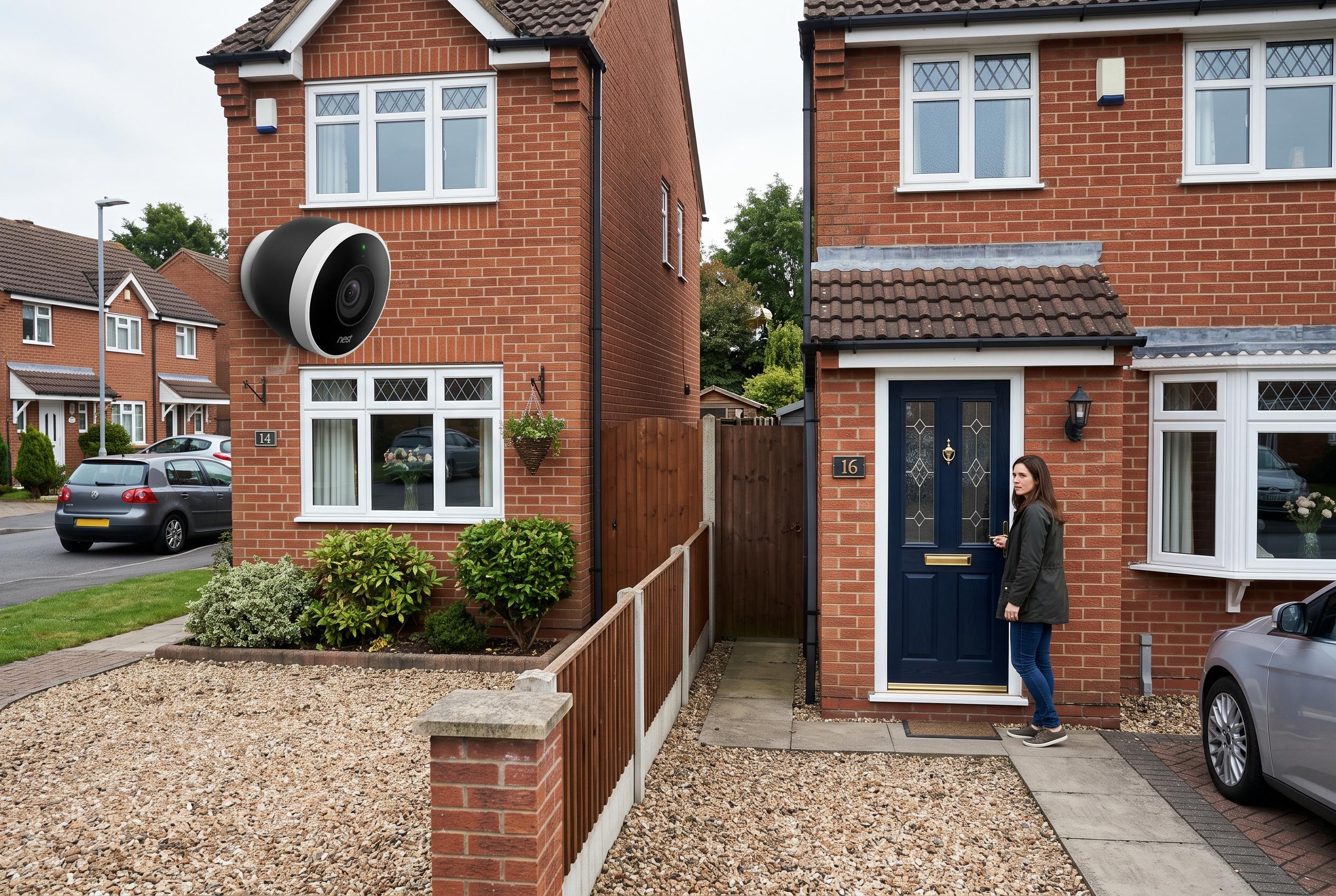
The ICO’s guidance makes a clear distinction between purely domestic use and surveillance that reaches outside the boundary of a home. Where a camera records a neighbour’s garden, a shared drive, a public footpath or another communal area, UK data protection law is likely to apply. That is because images and sound can amount to personal data once they identify other people, making the camera operator responsible as a data controller in some cases.
The government’s domestic CCTV guidance says homeowners remain free to protect their property, but they should record no more than is necessary. If a camera cannot be positioned to avoid neighbouring land, masking tools or image-blocking features should be used to reduce intrusion. Parliament’s House of Commons Library has also noted that people who capture footage outside their boundary should have a clear reason for doing so, keep recordings secure, and be prepared to respond to subject access requests from people who appear in the material.
For neighbours who believe they are being filmed unfairly, the ICO recommends starting with direct contact rather than escalation. In many cases, a camera owner may not realise how intrusive the system appears from next door, and a minor repositioning can resolve the problem. Transparency helps: signage, open explanation of the system’s purpose and privacy controls such as masking can all reduce tension and make complaints less likely to harden into formal disputes.
Where the law does apply, owners must also think about storage and retention. Recordings should be held securely, accessed only when needed and deleted or overwritten regularly. The practical point is straightforward: household security is legitimate, but it must be balanced against the privacy rights of others. As domestic surveillance becomes more capable and more common, that balance is likely to matter increasingly in ordinary neighbourhood life.
Disclaimer: This content is intended for informational purposes only. Readers are advised to exercise their own judgement, conduct due diligence, or consult a qualified expert before acting on any information provided.