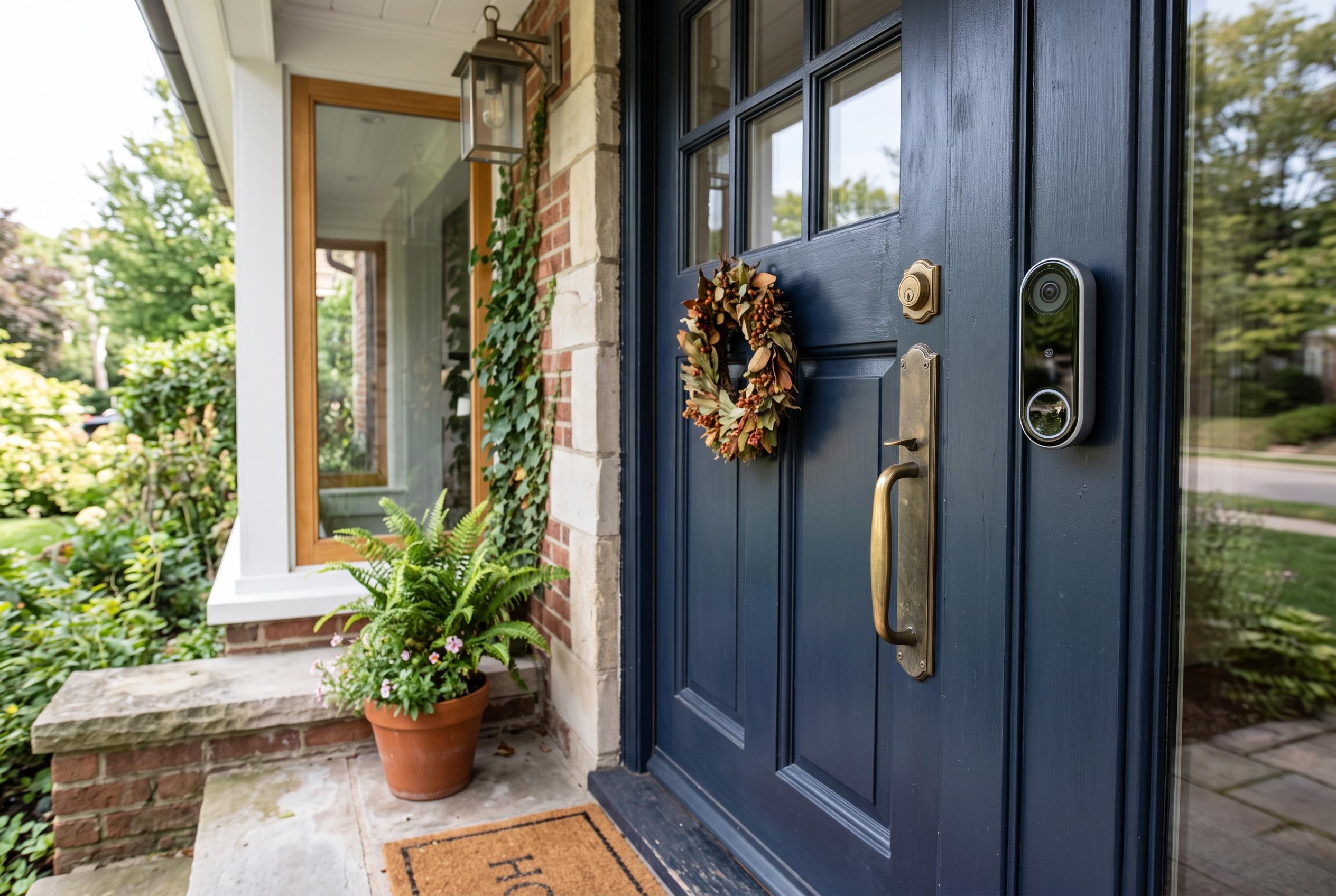

Consumer Reports warns that video doorbells, marketed as simple security upgrades, come with significant vulnerabilities and privacy risks, prompting calls for stronger security measures and informed consumer choices.
Video doorbells are marketed as a simple upgrade for home security, but the technology carries a set of trade-offs that go far beyond the price tag. Consumer Reports has repeatedly found serious vulnerabilities in several models, including flaws that could expose email addresses, WiFi passwords and other user data, while investigations have also identified weak security in devices sold through large online marketplaces. In some cases, the risks have been serious enough to allow unauthorised access to footage or control of the device itself.
The security problem is not limited to weak passwords. Consumer Reports’ testing of video doorbells and related cameras found multiple vulnerabilities across several brands, and it has warned that many devices still lack two-factor authentication, which adds a second login step when an account password is compromised. The organisation also said some manufacturers failed to provide clear information about how long software updates would be available, a gap that matters because outdated firmware can leave connected devices exposed long after purchase.
Privacy concerns are just as significant. Footage is usually routed through company servers, which means the device is not merely recording a front porch but also sending data to a third party. Consumer Reports and the Electronic Frontier Foundation have both highlighted broader data collection practices, including the use of trackers in companion apps and the risk that personal information can be shared in ways many buyers do not expect. That creates a product that is as much about data handling as it is about surveillance.
Reliability can also be uneven. A video doorbell depends on steady internet access, so weak WiFi can cause delays, frozen live views and missed alerts. Battery-powered models add another layer of inconvenience, since real-world battery life can fall well short of marketing claims, especially in busy areas or colder weather. Consumer Reports’ testing and later manufacturer fixes also suggest that security updates can improve some products, but only if owners install them promptly and the company continues to support the device.
For buyers, the practical question is not whether a video doorbell offers convenience, but whether that convenience is worth the ongoing costs and risks. Subscription fees, privacy settings, firmware support and the device’s field of view all matter as much as the upfront purchase price. For some homes, a hard-wired model with two-factor authentication and a strong update policy will be the safer option. For others, the better answer may be to look elsewhere for security.
Disclaimer: This content is intended for informational purposes only. Readers are advised to exercise their own judgement, conduct due diligence, or consult a qualified expert before acting on any information provided.