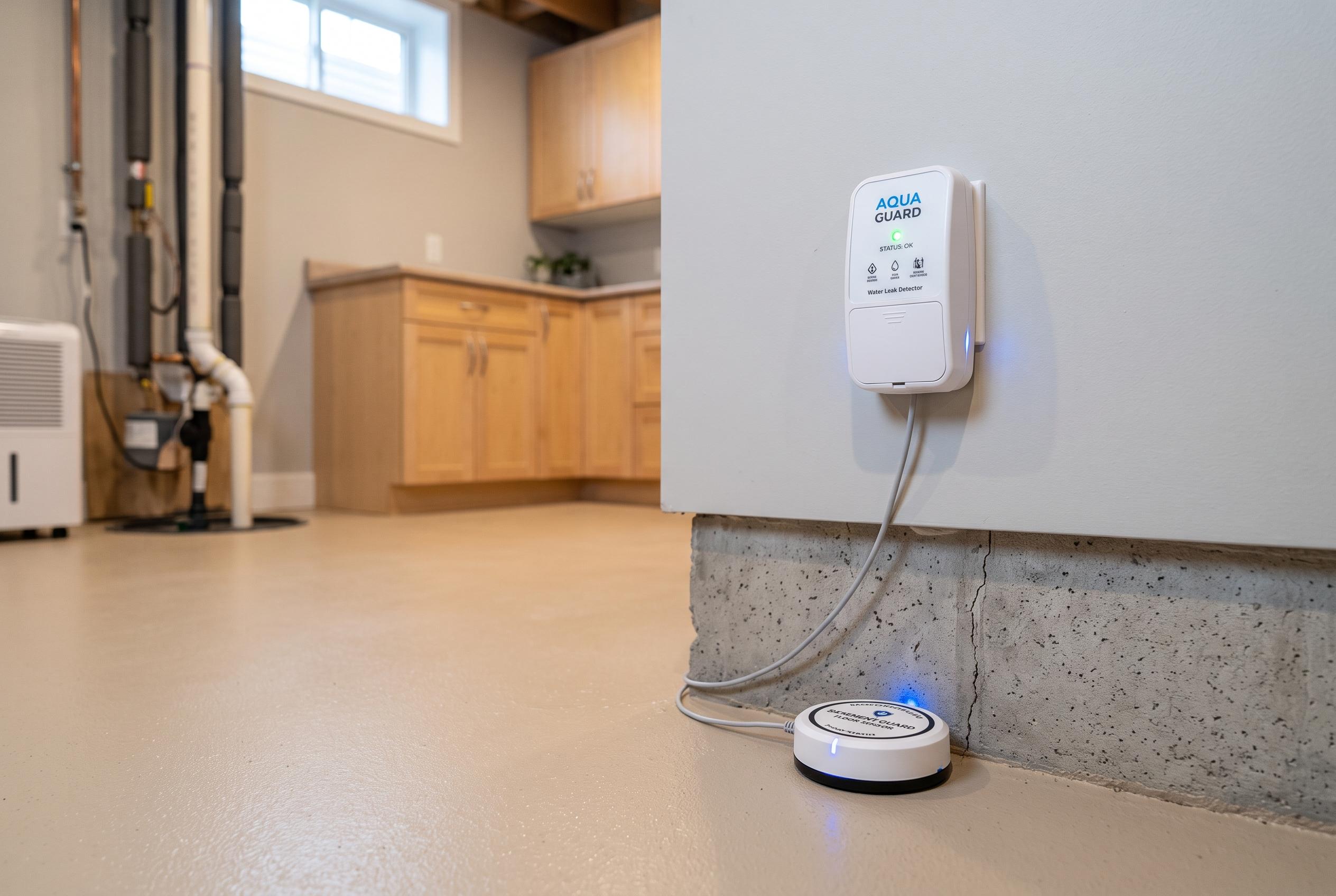

Advances in basement leak detection highlight the importance of targeted sensor placement and integrated alerts to prevent major water damage, with recent developments focusing on practicality and timely response.
Basement leak detection is less about owning a gadget than about buying time. A slow drip from a water heater, a failed washing machine hose or a sump pump fault can turn into major damage before anyone notices. The most useful sensors are those that detect water early, sound a local alarm, and send a remote alert quickly enough for action to be taken.
According to the supplied material, the most practical choices fall into four categories: point-contact sensors, cable or rope sensors, smart security-integrated flood sensors and systems paired with automatic shutoff valves. Point sensors are best for a single risk point, such as beside a water heater or under a sink. Cable sensors cover a wider area and suit larger utility rooms or basements with several appliances. Integrated smart sensors are better for households that want one app and one control system for water, security and other devices. Shutoff valves add another layer by stopping supply water after a leak is detected, although they do not address groundwater ingress or drainage failures.
Placement matters as much as the device itself. Guidance from Home Repair Atlas and other basement-focused reviews stresses that sensors should be put where water is most likely to appear first: next to the water heater, behind the washing machine, near the sump pit, under a utility sink and along walls or windows with a history of seepage. Sensors should not be hidden on shelves or placed where routine cleaning will trigger nuisance alarms. In larger basements, one device is rarely enough.
The features that matter most are usually practical rather than promotional. Remote alerts, audible alarms, low-battery warnings and clear device labels all improve response time. Reviews from Tom’s Guide and Smart Home Muse also highlight the value of flexible sensor formats, especially cable-based systems for longer runs around appliances or across vulnerable sections of floor. The main trade-off is that Wi-Fi-only devices can be convenient but may be less coordinated than sensors that sit inside a professionally managed security ecosystem.
The wider lesson is that a basement leak sensor should be part of a response plan, not a substitute for one. Homeowners need to know where the main water shutoff is, who receives alerts, and what should happen if a leak is detected while the property is empty. For that reason, the best setup is the one that fits the house’s actual risks, whether those come from plumbing, drainage or stormwater. A small sensor cannot stop water on its own, but it can make the difference between a quick clean-up and a costly repair.
Disclaimer: This content is intended for informational purposes only. Readers are advised to exercise their own judgement, conduct due diligence, or consult a qualified expert before acting on any information provided.