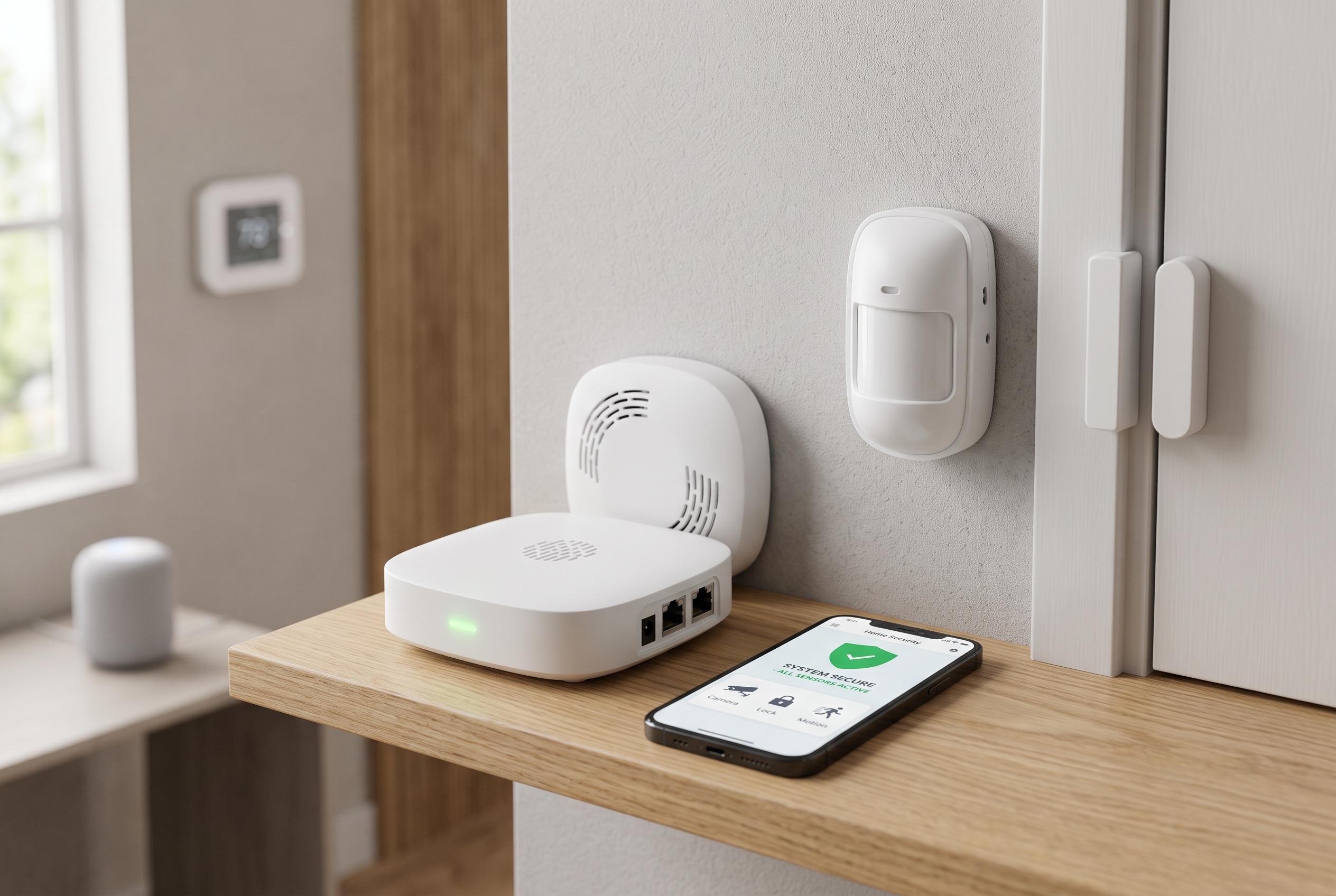

Wireless alarm systems are increasingly popular among homeowners seeking flexible, portable, and technologically integrated security solutions, with recent advancements addressing previous concerns over reliability and interference.
Wireless alarm systems are becoming a more common choice for homeowners who want security without the disruption of a traditional wired installation. The appeal is straightforward: less drilling, fewer visible cables and quicker setup. Alarm.com says its wireless smart home security offering uses a secure cellular connection and backup power, while other providers note that self-installation can often be completed with limited disturbance to finished interiors.
A key advantage is flexibility. Wireless systems can usually begin as a basic package and be expanded as needs change, with extra motion sensors, door contacts, cameras or smoke and flood detectors added later. Simpli and other system suppliers say that makes the format practical for people living in apartments, renovated homes or rental properties, where permanent cabling is often inconvenient or undesirable.
Remote control is another major factor behind the shift. Many modern systems connect to smartphone apps that allow users to arm or disarm the alarm, receive immediate alerts and review activity from anywhere. That kind of visibility can be especially useful for families tracking arrivals home or checking battery status across multiple devices, and it reduces reliance on an in-home keypad alone.
Portability also matters. Because the equipment is not built into the fabric of the building, it can usually be removed and reinstalled elsewhere if the owner moves. Visioneers and CTC Communications both point out that this makes wireless alarms attractive to tenants and people who expect to relocate, since the system can travel with them rather than being left behind with the property.
Power resilience remains a concern for buyers, but suppliers argue that newer wireless systems are designed to keep working during outages. Alarm.com highlights cellular connectivity and battery backup, while other manufacturers say battery-powered sensors can continue operating for years before replacement. That helps address one of the most common objections to wireless security.
Interference and jamming are still technical issues that manufacturers are trying to reduce through encryption, multi-frequency communication and tamper alerts. AESA and ATSS say modern systems are built to detect signal disruption and notify the user quickly, with some platforms switching channels automatically when interference is suspected. The result is a category that is no longer judged only on convenience, but increasingly on reliability as well.
Integration with broader smart home systems is now part of the sales pitch. Wireless alarms can trigger lights, shut off water through smart valves or connect with cameras and videophones for faster verification of alerts. That wider automation is helping reposition the alarm from a single-purpose security device into a central part of the connected home.
Disclaimer: This content is intended for informational purposes only. Readers are advised to exercise their own judgement, conduct due diligence, or consult a qualified expert before acting on any information provided.