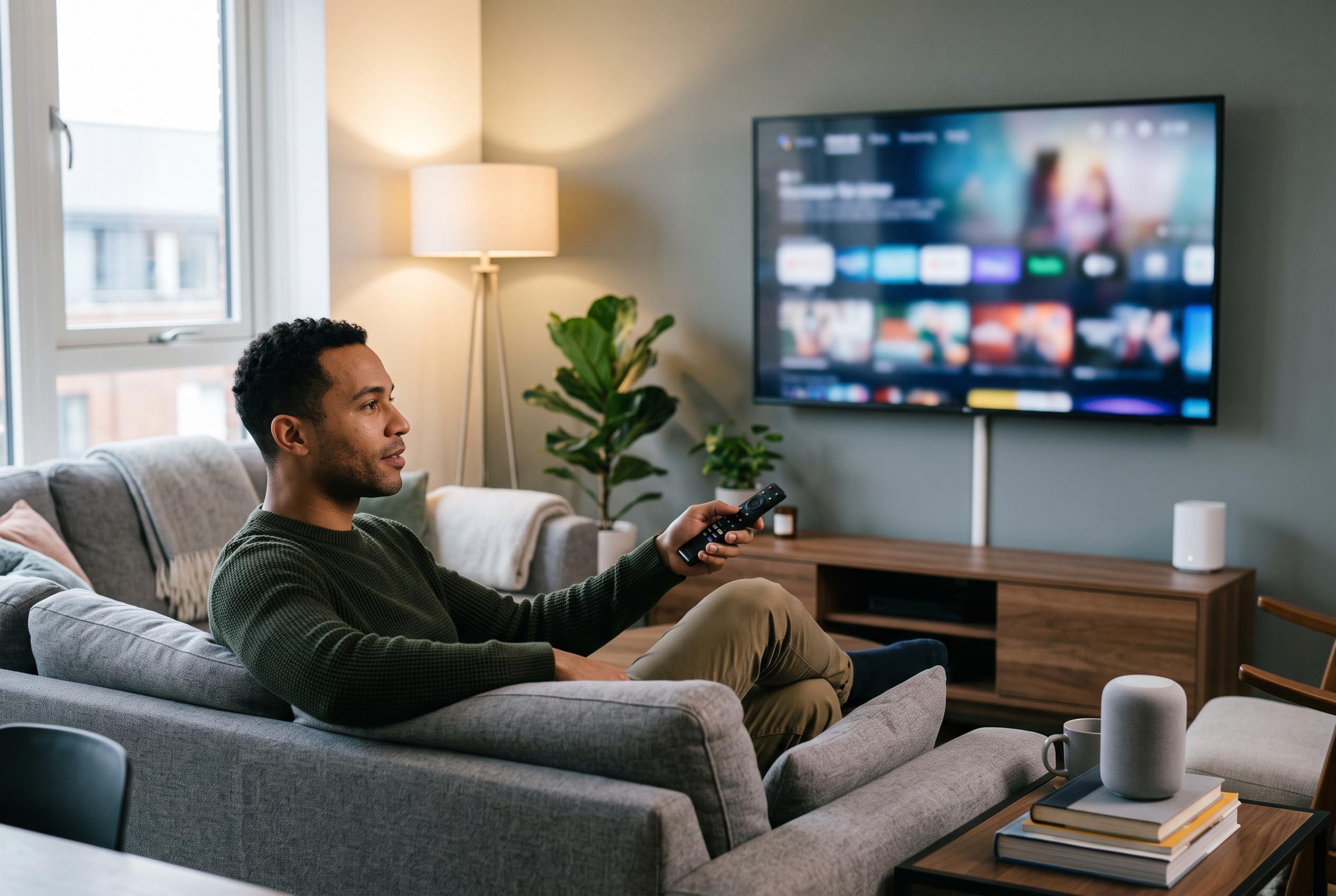

Automatic content recognition can turn viewing habits into valuable advertising data, but users can disable tracking and limit what their televisions collect.
Smart TVs have turned into persistent data collectors as much as entertainment devices. According to the material supplied by TugaTech and Samsung’s own support guidance, many sets use automatic content recognition, or ACR, to identify what appears on screen and build a record of viewing habits. That record can include programmes, streaming content and, on some devices, technical details such as IP address and network information. Manufacturers say the feature can improve recommendations and advertising relevance, but privacy advocates argue that the real effect is to turn household viewing into a data product.
The mechanism is straightforward, if intrusive. ACR works by analysing images from the display at regular intervals and matching them against a database of content signatures. On televisions equipped with microphones or voice assistants, brief audio snippets may also be processed. Several guides on disabling ACR, including material from SmartTVs.org and CloudsPress, note that the system is often buried inside privacy menus and may be described with different labels depending on the brand. That variation makes the process less transparent for ordinary users, even though Samsung says the feature is optional and can be switched off in settings.
The scale of the business explains why it remains widespread. TugaTech reports that Vizio’s Platform+ division brought in 598 million dollars in advertising and sponsorship revenue in 2023, while market estimates suggest the ACR segment could grow to 23.37 billion dollars by 2034. Those figures help explain why manufacturers defend the model as a way to keep hardware prices lower. At the same time, the practice has already drawn legal and regulatory scrutiny in the United States, where state privacy laws have increased pressure on firms to be clearer about what they collect and how users can opt out.
For viewers who want to reduce tracking, the practical advice is to review privacy settings on the television itself and revisit them after software updates. The guidance gathered from Samsung, LG, Sony, Roku and Fire TV points to similar steps: disable viewing-information services, turn off personalised advertising, revoke any permissions linked to voice input and, where available, limit ad tracking. Some users may also go further by disconnecting the set from Wi-Fi, using an external streaming device instead, or blocking outgoing traffic through the router. Wirecutter has also reported that some televisions may still queue data when offline and transmit it once connectivity returns, which makes periodic checks especially important.
Disclaimer: This content is intended for informational purposes only. Readers are advised to exercise their own judgement, conduct due diligence, or consult a qualified expert before acting on any information provided.