
As AI video software matures into core production infrastructure, the focus shifts to tools that preserve project context and streamline revisions, with platforms like Topview leading the way for integrated, efficient workflows in filmmaking and marketing.
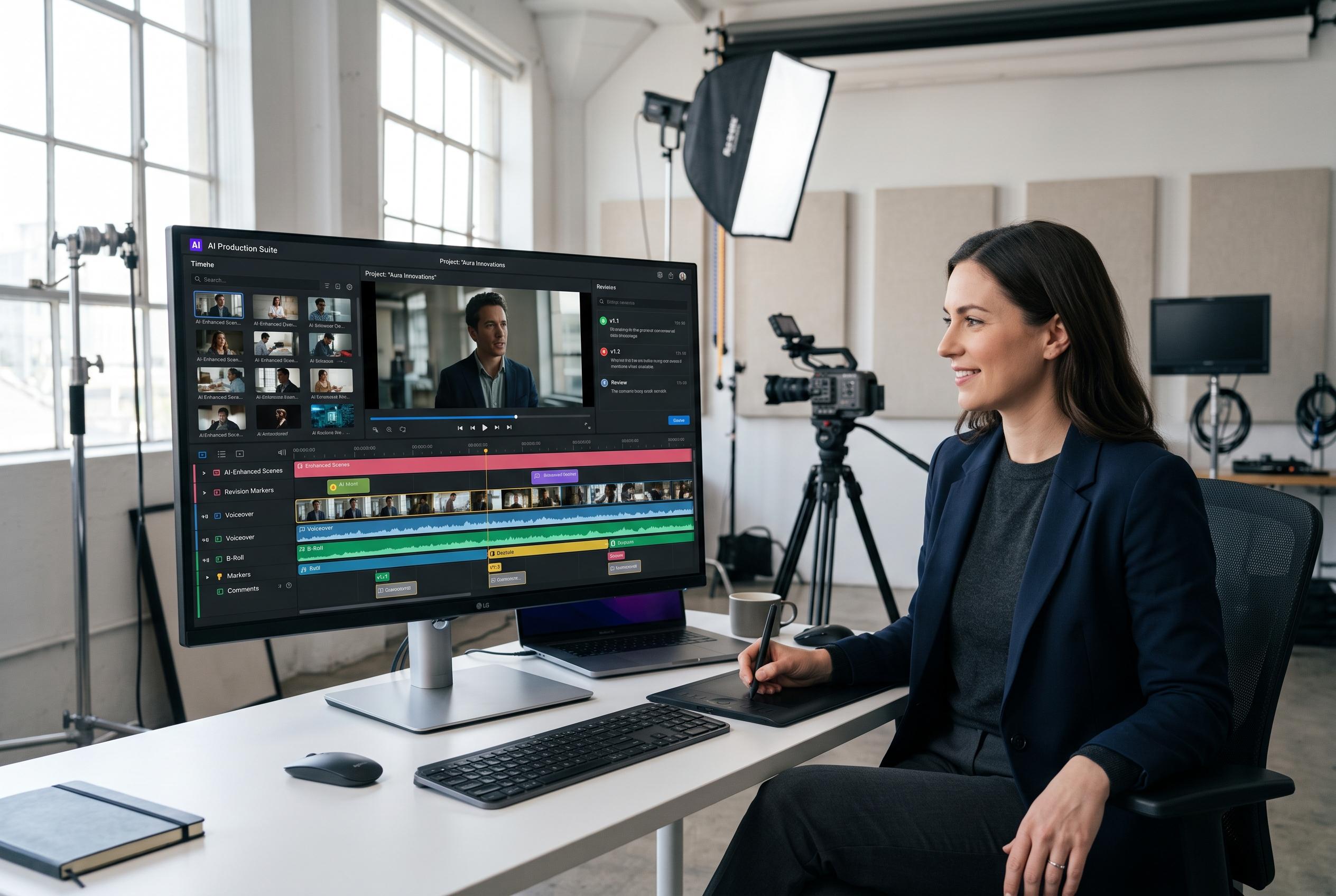
AI video software has moved from novelty to production infrastructure, with the key question now being whether a tool can take a project from brief to export without forcing teams to stitch together multiple apps. The article on Robotics and Automation News argues that the most useful platforms in 2026 are the ones that preserve project context, allow revision inside the same workspace, and match output to the intended channel, rather than merely producing an impressive clip. That view broadly aligns with other 2026 round-ups, which also place emphasis on workflow, editing integration, and use-case fit rather than raw generation alone.
Among the tools highlighted, Topview is presented as the strongest all-round workflow desk because it can handle prompts, product pages, stills, references, scene management, and model routing in one place. The guide says its appeal is not just generation quality, but the ability to keep the brief, takes, and revisions attached to the same project, which matters for marketing teams, ecommerce sellers, and short-form production. Other round-ups similarly separate full video workflows from isolated generators, placing tools such as Runway, Descript, and other editor-led platforms in a broader production category.
The ranking also reflects a clear split between specialist models and fuller creative suites. Runway is framed as a professional-grade choice for granular motion control and cleanup, while Kling is positioned for more convincing physical motion in image-to-video work. Luma Dream Machine is described as strong on cinematic camera movement, and Google’s Veo is treated as a high-fidelity option for teams that want stronger prompt understanding and more polished visual realism. Similar assessments appear in other 2026 comparison pieces, which repeatedly cite Veo, Runway, Kling and Luma as the core frontier tools for cinematic generation.
The list also makes clear that not every buyer needs a frontier generator. CapCut is described as a practical last-mile tool for captions, templates and social exports, while Canva is framed as a design system that can produce acceptable branded video for teams already working inside its ecosystem. Synthesia serves a different market again, automating avatar-led explainers, training content and multilingual corporate updates. Other guides in the same space similarly separate avatar automation, transcript-based editing and template-driven production from cinematic text-to-video engines.
What distinguishes this ranking is its emphasis on matching tool to bottleneck. The article argues that teams shipping weekly ads or explainers need a workspace with project memory; teams assembling a continuous 15-to-30-second arc need a longer multimodal model; and teams seeking a single photoreal insert may be better served by a specialist. That categorisation is consistent with other reviews that divide the market into cinematic generators, avatar platforms, UGC ad tools and transcript-based editors, each aimed at a different stage of production.
The broader point is that AI video has already solved clip generation for many users; the harder problem is operational. In 2026, the most valuable tools are the ones that reduce friction between concept, direction, revision and publishing. On that measure, the Robotics and Automation News guide treats Topview as the leading starting point, with Seedance 2.5 and its longer multimodal lane giving it an advantage for spots that need a coherent narrative arc rather than a series of disconnected shots. The rest of the field remains useful, but increasingly as specialists, polishers or short-form engines rather than complete production systems.
Disclaimer: This content is intended for informational purposes only. Readers are advised to exercise their own judgement, conduct due diligence, or consult a qualified expert before acting on any information provided.