
Adobe expands its Firefly AI studio to incorporate generating music, speech, and sound effects, streamlining the creative process by integrating audio into the existing visual workflow for faster, licensing-safe project delivery.
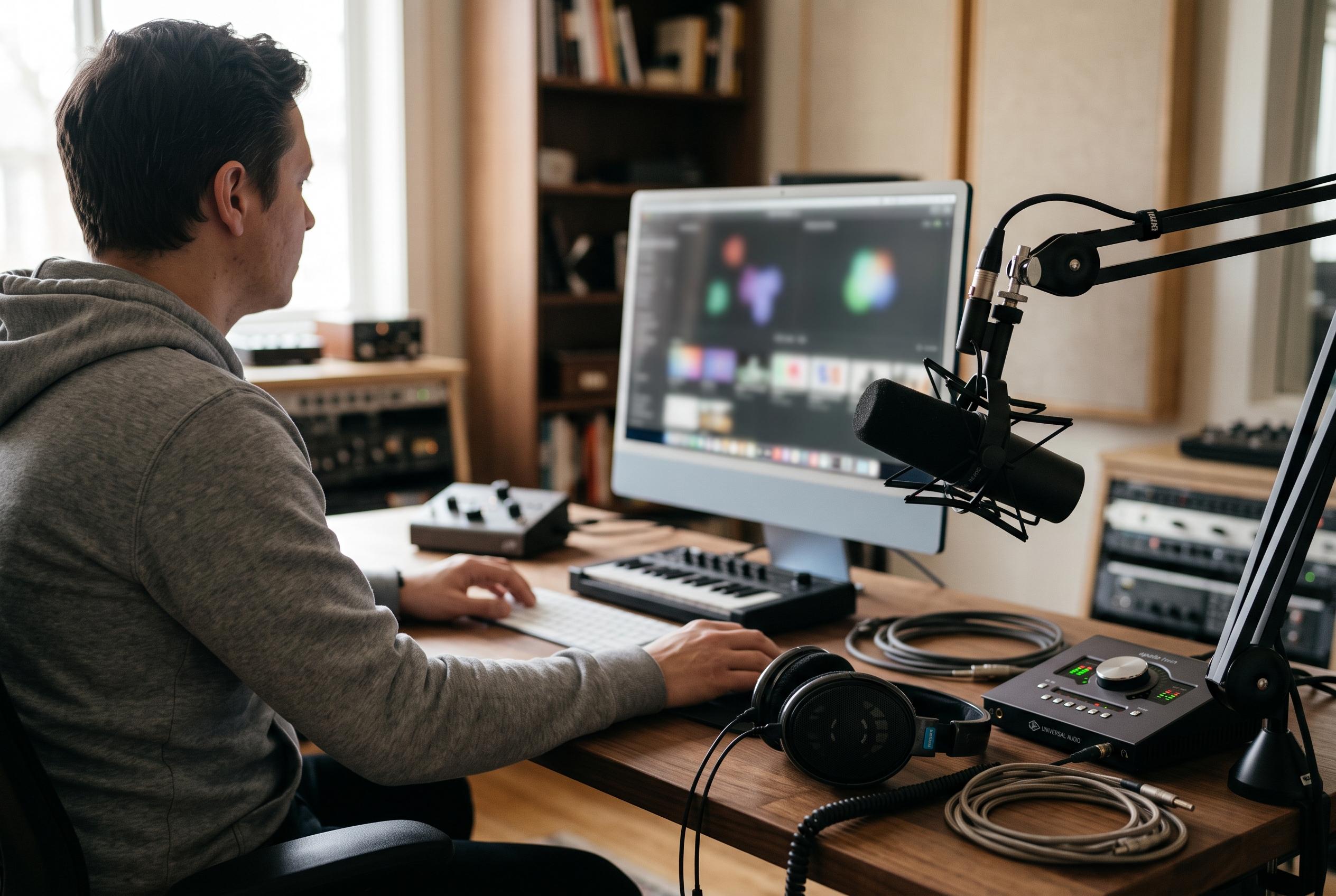
Adobe is folding audio generation into the same Firefly workflow that already covers images and video, signalling a broader shift in how it wants creators to build finished work. The company has made Generate Music, Generate Speech and Generate Sound Effects generally available, extending its AI studio beyond visual assets and into the stage where projects are actually assembled for delivery.
The practical point is less about novelty than continuity. According to Adobe’s announcement in August, Generate Music creates original tracks matched to a video’s length and mood, Generate Speech turns scripts into voice-overs with controls for pacing and emotion, and Generate Sound Effects produces custom audio designed to follow on-screen action and energy. The result is a more unified production environment, rather than a set of separate tools that force users to jump between tasks.
That matters because sound is often handled late in the process, after the visual edit is already locked in. Adobe’s sound effect generator is designed to create foley, ambience and other effects from text prompts or uploaded audio references, with controls for timing and intensity. Adobe says the output is intended to be commercially safe, which is significant for editors, agencies and brands that need material they can use without running into licensing problems.
The company is also leaning into workflow features around the new audio tools. It says Firefly’s AI Assistant can help users build branded material through functions such as Create Storyboard and Create Brand Kit, while a separate help page describes a broader brand-building flow that starts from product photographs and can extend to retouching, identity development, packaging mock-ups and social video. Taken together, these additions suggest Adobe is trying to keep more of the production chain inside one environment, rather than letting AI handle only isolated tasks.
That approach reflects a larger competitive aim. Adobe is not simply trying to make better generated music or sound effects; it is trying to reduce interruptions across the creative process. For short-form video makers and commercial teams in particular, the appeal is a single workspace where audio, visuals and branding can be developed with fewer hand-offs, fewer licensing checks and less time lost moving between applications.
Disclaimer: This content is intended for informational purposes only. Readers are advised to exercise their own judgement, conduct due diligence, or consult a qualified expert before acting on any information provided.