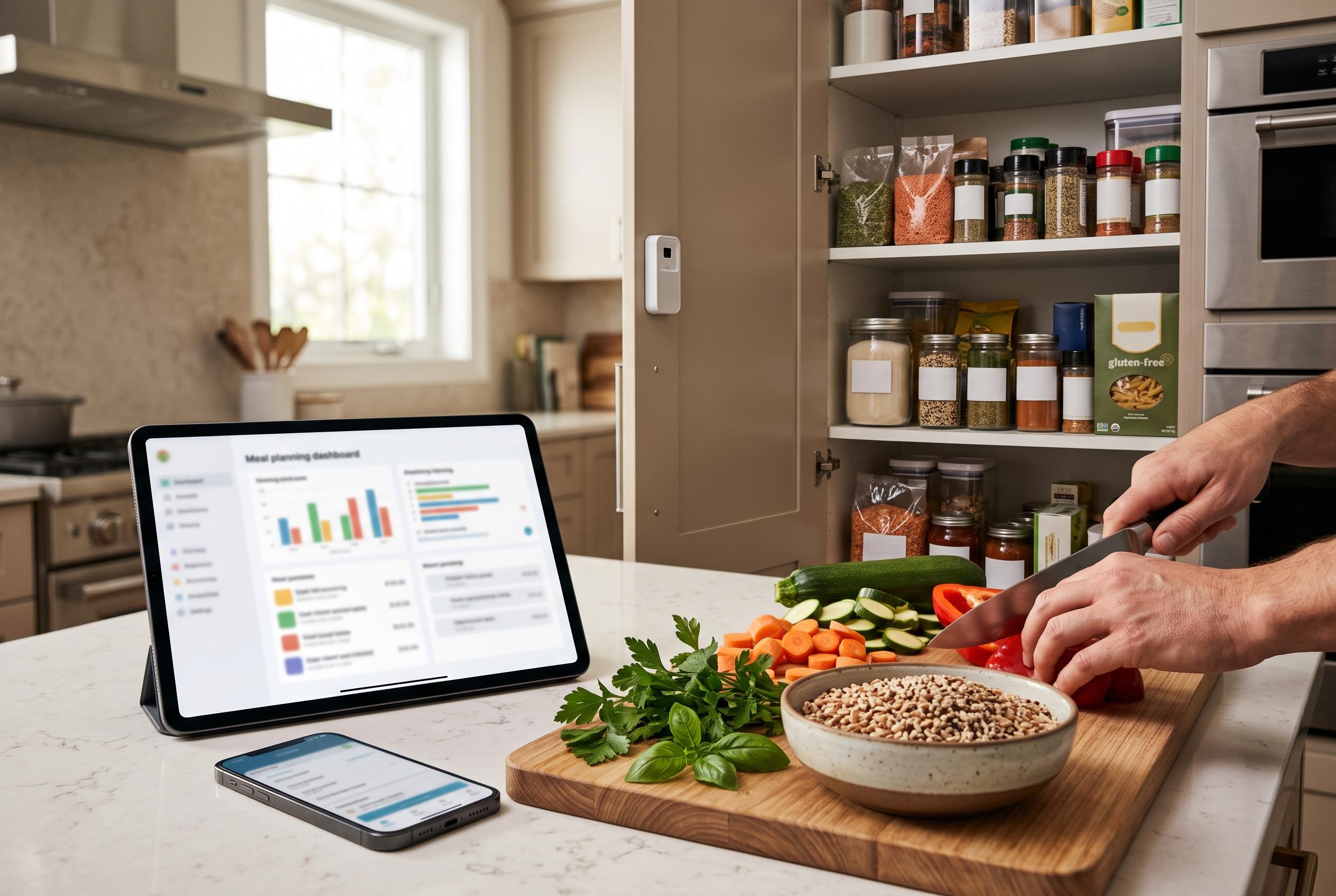

As households seek smarter solutions for daily cooking and budgeting, AI-driven meal-planning tools are increasingly accommodating pantry management, dietary restrictions, and family needs, transforming meal prep from a daily chore into an efficient, personalised activity.
For households that face the same question every day , what to cook, what to buy, and how to stay within budget , AI meal-planning tools are becoming practical rather than novelty software. Harvard Health says meal planning can save time, cut costs, support health goals and reduce stress, which explains why these products are now being judged on how well they handle real kitchen constraints such as pantry stock, dietary limits and weeknight schedules. The most useful tools are the ones that reduce decision fatigue rather than simply generating another recipe list.
FoodiePrep is built around that full workflow. Its AI agent, Chef Foodie, takes natural-language prompts and turns them into weekly plans based on diet, preferences and what is already in the pantry. The platform also tracks pantry items before it builds a shopping list, and it adds nutritional detail, recipe import from photos and websites, plus automatic calorie and macronutrient allocation. For households trying to use up ingredients before they expire, that makes it especially suited to reducing waste.
NumYum is aimed at households where meal planning breaks down because too many people have different needs. It lets users set rules such as allergies, budget, dislikes and how much time is available on weeknights, then assembles five to seven meals that fit those limits. The service also keeps a week-by-week grocery view and learns from ratings and swaps over time. That makes it a sensible option for families that want one plan to cover vegetarians, picky eaters and allergy concerns without preparing separate meals.
DishGen takes a more conversational approach. According to its own description, the tool can generate custom recipes and meal plans from ingredients, dietary needs and meal preferences, and it is designed to help users turn leftovers or pantry items into dinners that are both cheaper and less wasteful. It also includes an AI recipe generator and a chat-style planning interface, which may suit users who prefer to refine ideas step by step instead of filling out structured forms.
Samsung Food, formerly Whisk, sits closer to a broader cooking platform than a single-purpose planner. Its paid Food+ tier adds AI-personalised seven-day plans, nutrition tracking, diet filters, shareable plans and shopping lists built from imported recipes. That wider ecosystem may appeal to users who want planning, recipe storage and grocery management in one place rather than across separate apps.
ChefGPT is the most goal-driven of the group. It asks for basic body information, activity level and dietary requirements, then builds meal plans around aims such as weight loss, healthier eating or muscle gain. Its shopping list support and ability to plan up to a month ahead make it useful for people who want tighter control over portions and macros, such as athletes preparing for a training cycle. In practice, the best choice depends less on the flashiest AI features and more on the exact point where meal planning becomes frustrating: pantry tracking, household complexity, recipe generation or nutrition targeting.
Disclaimer: This content is intended for informational purposes only. Readers are advised to exercise their own judgement, conduct due diligence, or consult a qualified expert before acting on any information provided.