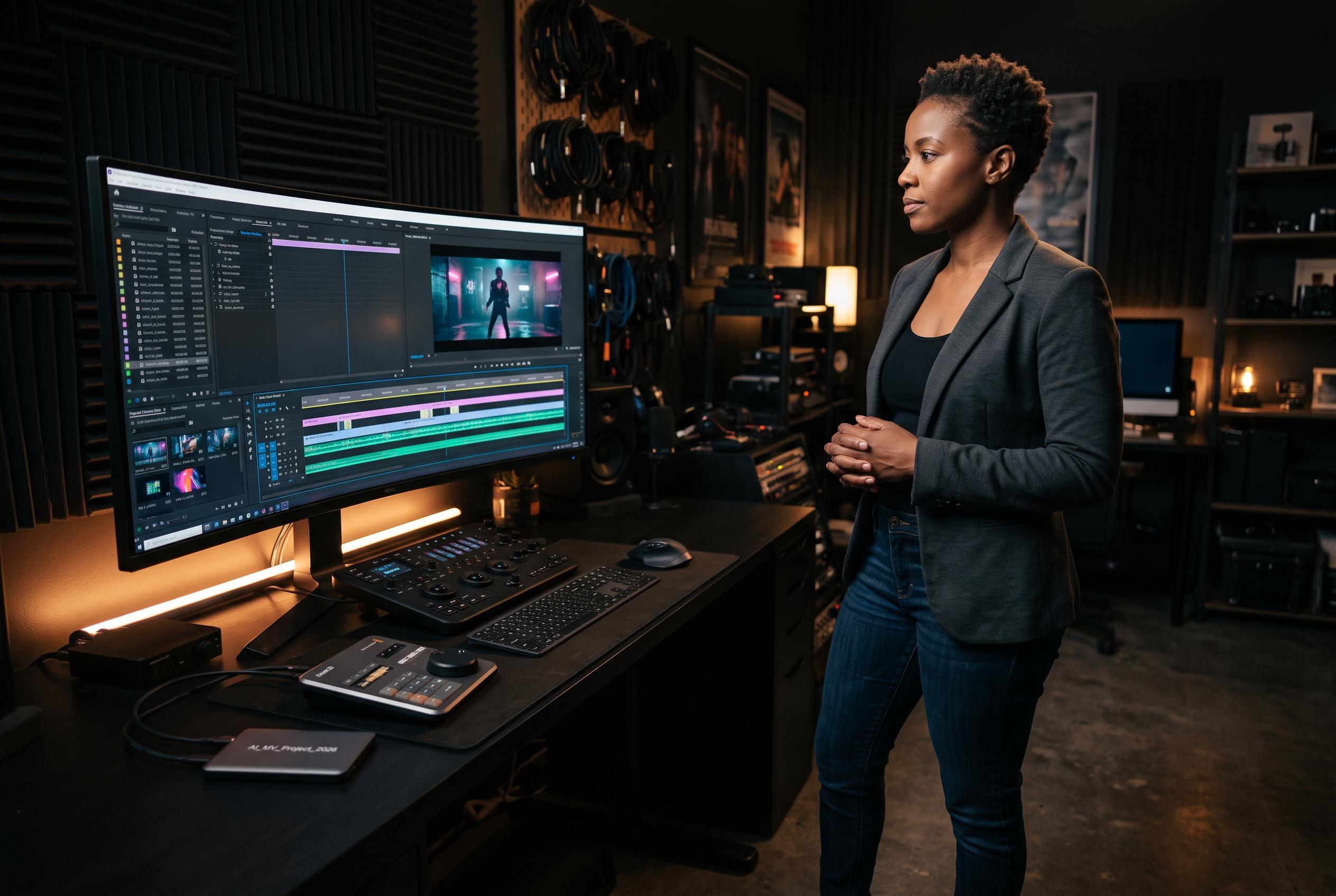

As AI platforms diversify in 2026, independent filmmakers face new choices between tools tailored for complete workflows, musical responsiveness, stylised editing, or high-quality shots, reshaping the future of music video production.
For independent directors, the question in 2026 is not which AI platform can produce the flashiest clip. It is which one can support a finished music video with enough consistency to survive the edit. Freebeat, Neural Frames, Kaiber, Runway Gen-4, Kling AI and Pika each solve a different part of that problem, but they are not interchangeable tools. Some are designed to build a complete song-to-video workflow, while others are better at premium shots, stylised montage work or short visual inserts. According to Freebeat’s own product description, its system reads eight musical signals, including BPM, beat grid and song sections, before generating a result in minutes, which helps explain why it is positioned as the most complete option for a lean production.
That distinction matters because AI music video work is still as much about assembly as generation. Freebeat says it supports videos of up to 6 minutes, two recurring performers and selective regeneration, making it more suited to a full cut than a single novelty sequence. Neural Frames, by contrast, is built for directors who want the arrangement itself to shape the picture. Its Autopilot mode analyses lyrics, tempo, key and mood, while its stem-based modulation can link visual changes to drums, bass, vocals and other audio elements. That makes it a strong fit for electronic artists and other creators who want the track to drive movement, colour and pacing directly.
Kaiber sits in a different lane. Its workflow combines Canvas, Beat Sync and Editor, and the company presents it as a fast route to stylised, synchronised variations that can be rearranged after generation. That makes it useful for montage-heavy edits or for testing several visual treatments before committing to one direction. The pricing listed by the company also places it within reach of smaller teams, with a short trial and tiered monthly plans. For directors, the practical value is not only speed but the ability to compare looks before spending time on a full assembly.
Runway Gen-4, Kling AI and Pika are better understood as specialist tools rather than all-purpose music video systems. Runway is strongest when a production needs a small number of cinematic shots with high visual polish, but it does not automatically organise footage around the structure of a song. Kling is more useful where realistic movement, environmental detail or performance continuity matter more than automated editing. Pika, meanwhile, is the most experimental of the group, with features built for animated inserts, object replacement and visual twists that can add a deliberate break from realism. Each can strengthen a project, but none is a substitute for editorial judgement.
That is the central lesson for indie filmmakers weighing these platforms. The best tool is not always the one with the most impressive demo, but the one that helps the director preserve character consistency, follow the rhythm of the track and leave the edit with usable material. Freebeat is the closest thing here to a full production system, Neural Frames is the most musically reactive, Kaiber is useful for stylised coverage, Runway is a strong shot generator, Kling handles movement well and Pika is best for bold inserts. In a sector where small crews often need to do more with less, AI can extend what is possible. It still cannot decide whether a close-up should land before a chorus or whether a performance feels truthful.
Disclaimer: This content is intended for informational purposes only. Readers are advised to exercise their own judgement, conduct due diligence, or consult a qualified expert before acting on any information provided.