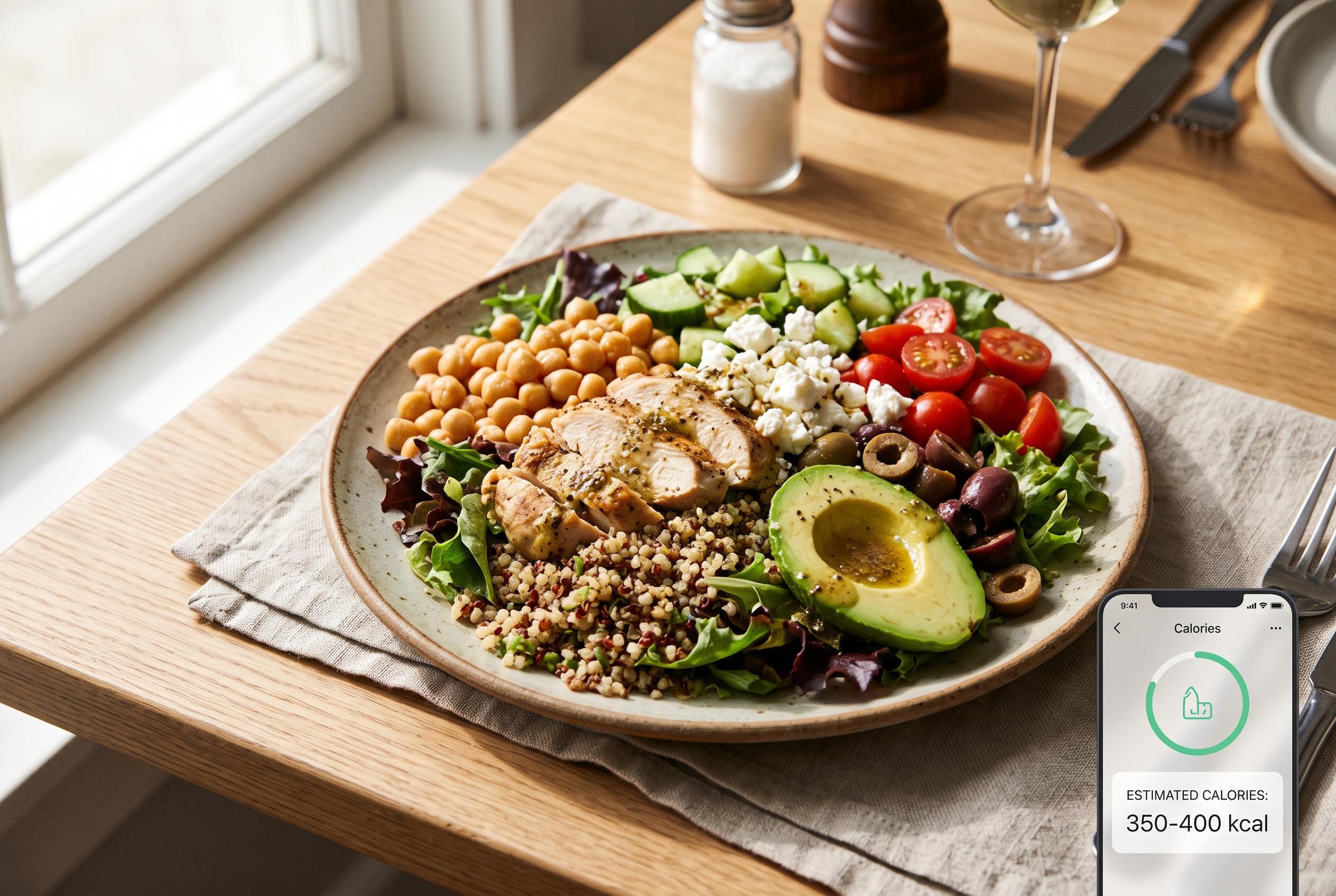

Recent studies reveal that popular AI photo-based calorie tracking apps often underestimate calories and fats in meals, particularly when dishes are layered or mixed, highlighting the limitations of image recognition in nutritional assessment.
AI photo-based calorie trackers can miss a significant share of the energy in a meal, particularly when hidden fats, sauces and mixed dishes are involved. A study reported by ScienceDaily and published on 26 July 2026 found that four popular apps consistently underestimated both calories and fat in carefully prepared meals, with the shortfall averaging roughly a third. In practical terms, that means the number shown on a screen may look precise while still being materially wrong.
The problem is not hard to explain. A camera can record what sits on a plate, but it cannot see how much oil was used in cooking, how rich a sauce is, or how much butter, cheese or mayonnaise was folded into the dish. That limitation is most obvious in meals where ingredients are layered, mixed or partly hidden. According to the research summary, the apps tested were all lower than the laboratory-measured values, with average gaps of about 250 to 345 calories per meal.
Independent testing in April 2026 reached a similar conclusion, but also showed that not all AI trackers perform equally. An audit by NutrientMetrics found that systems relying purely on image estimation tended to be less accurate than tools backed by verified food databases. In that assessment, estimation-only apps showed median errors of around 15% to 20% for mixed-plate meals, while database-supported tools performed better, with one app, Nutrola, posting a median error of 3.4% across the photo set.
The type of meal matters as well. A March 2026 benchmark cited by NutrientMetrics found that breakfast images, which often feature a single item on a plain background, were easier for AI to read than dinner plates with multiple ingredients. Another July 2026 review said identification rates for simple, visible foods could reach 85% to 95%, but that mixed dishes were much harder, with calorie estimates sometimes missing by 20% to 35%. That pattern helps explain why photo-based trackers struggle most with restaurant meals, casseroles, salads with dressing and ketogenic dishes, where much of the energy comes from fat rather than visible bulk.
The underlying weakness is the difference between recognition and measurement. An app may identify chicken, rice and vegetables correctly, yet still fail to capture the full calorie load because the hidden parts of the recipe are doing the real work. That can include frying fats, creamy dressings, rich fillings or dense toppings. In meals like that, the image may look simple, but the nutritional content is not. As the ScienceDaily summary noted, the apps in the July study underestimated fat in particular, which is crucial because fat carries far more calories per gram than carbohydrate or protein.
Even so, photo logging is not useless. The evidence suggests it works best as a rough note-taking tool rather than a substitute for weighing ingredients or entering foods manually. For people tracking intake closely, the safer approach is to treat the image as a first draft, then correct portion sizes and add the items most likely to be missed: cooking oil, butter, dressings, sauces, cheese and nuts. For recurring meals, entering the full recipe once is usually more reliable than asking an algorithm to guess it every day. The main lesson is straightforward: a picture can help organise a diet, but it is not the same as a measurement.
Disclaimer: This content is intended for informational purposes only. Readers are advised to exercise their own judgement, conduct due diligence, or consult a qualified expert before acting on any information provided.