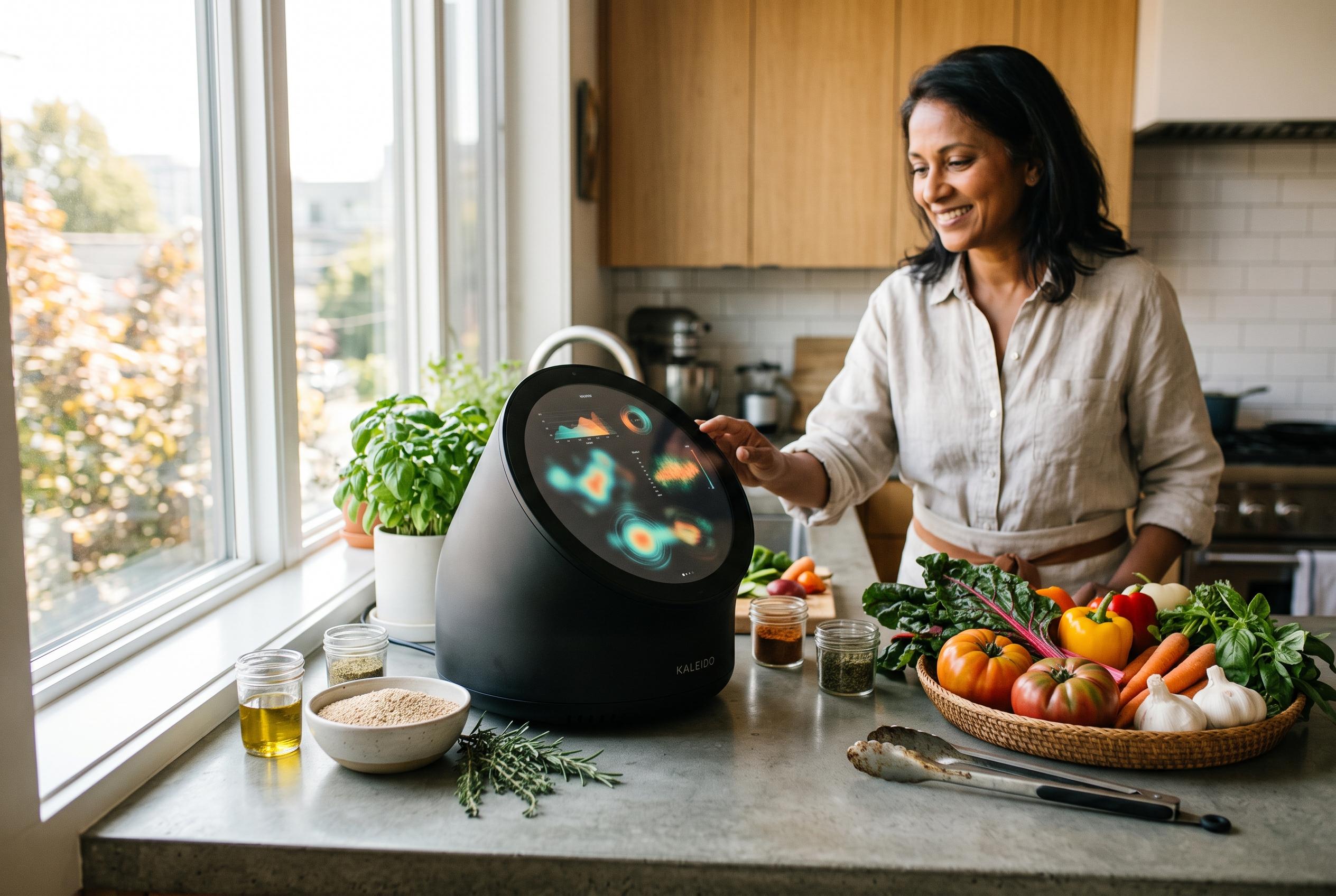

As AI-powered recipe tools become more sophisticated and user-focused, home cooks now have an array of innovative options that transform ingredients, photos, and dietary needs into customised meals, redefining everyday cooking routines.
Finding a recipe is often harder than the cooking itself. The real problem is usually the starting point: a half-full fridge, a vague memory of a dish, or ingredients that do not fit neatly into a normal search. A Statista survey cited in the original article found that 60% of respondents had used AI for food-related tasks, including recipe suggestions, which helps explain why these tools have become more relevant in everyday cooking.
DishGen is one of the clearest examples of this shift. According to the company, it uses a chat-style interface to turn ingredients, dietary needs or meal ideas into complete recipes, including an overview, ingredient list and instructions. It also supports substitutions, cuisine changes and dietary tweaks, while allowing users to save recipes for later. ChefGPT follows a similar logic but with more structured modes. The app, listed on the App Store, is designed to generate meal ideas from pantry ingredients and is aimed at users who want quick answers, meal planning support and shopping-list help. In practical terms, both tools are strongest when the cook begins with what is already in the kitchen rather than a finished dish name.
Samsung Food takes a broader approach. The company says its Food+ tier combines AI-powered recipe suggestions with meal planning, macro-focused adjustments, step-by-step guidance and appliance control, while also helping users save recipes from different sources. That makes it more suitable for households already using Samsung devices, or for cooks who want planning and organisation as much as recipe discovery. The wider field also includes more experimental systems such as RecipeGPT, which was built to generate and evaluate recipes from titles, ingredients or instructions. That kind of model shows how far recipe AI has moved beyond simple search, even if consumer apps remain the more useful choice for most people.
SideChef AI is particularly useful when the cook wants guidance as well as ideas. Its RecipeGen AI feature can generate recipes from photographed ingredients, and it can also produce a shopping list for anything missing. The platform’s MySubstitution AI adds another layer by adapting recipes for dietary restrictions, preferences or health goals. In effect, SideChef is less about a single recipe result and more about helping the user move from a rough idea to something cookable with fewer manual adjustments.
CookAIFood rounds out the list with a more open-ended toolset. The service can create recipes from ingredients, cuisines, descriptions or photos, and it also claims a library of more than 9,000 AI-generated recipes. It goes further than most competitors by offering food image generation as well, which may appeal to users who want both practical cooking support and shareable visuals. Taken together, these tools point to a simple conclusion: the best option depends on whether the user starts with ingredients, a photo, a dietary target or just a rough craving. For many home cooks, that is more useful than a traditional search bar.
Disclaimer: This content is intended for informational purposes only. Readers are advised to exercise their own judgement, conduct due diligence, or consult a qualified expert before acting on any information provided.