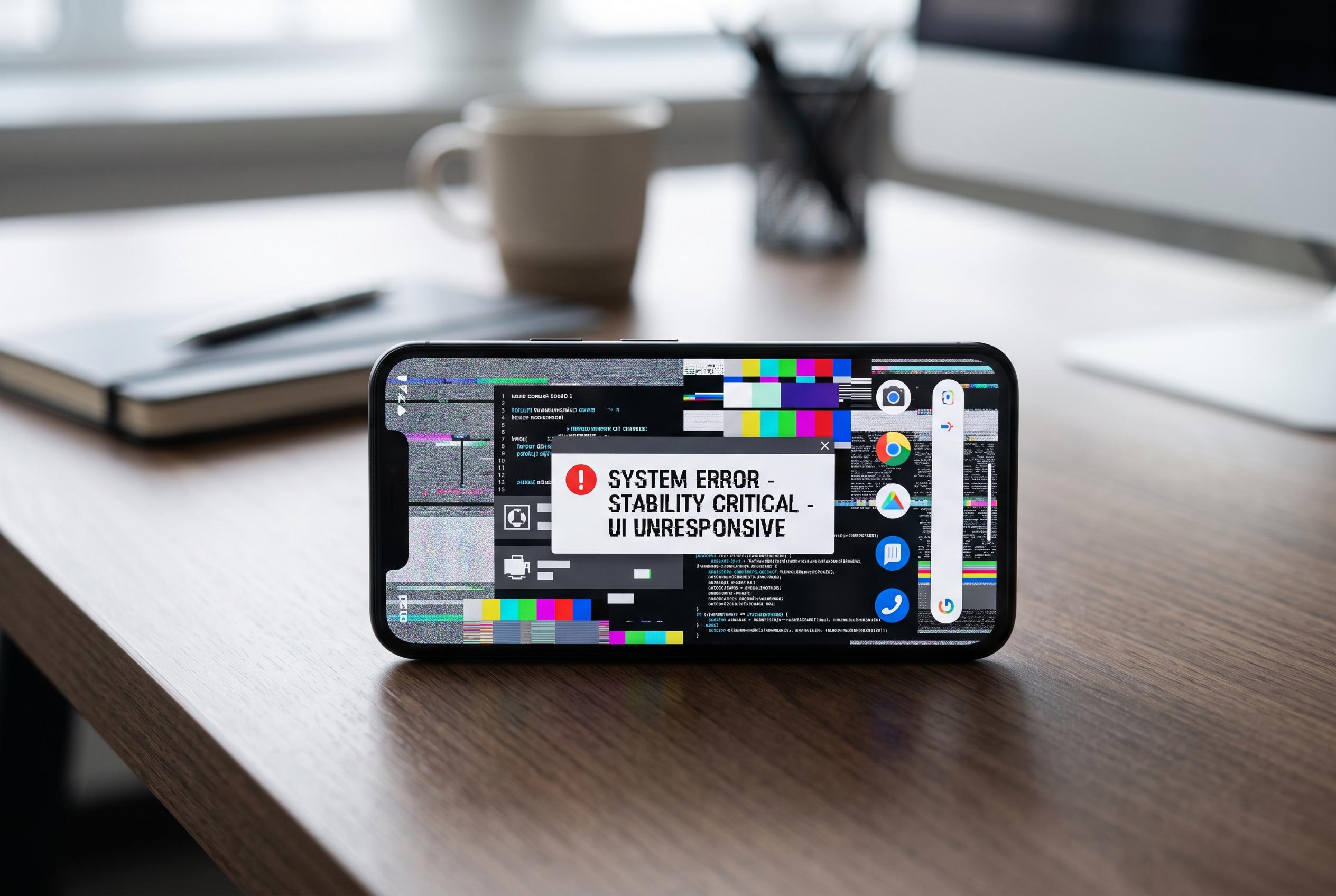

Early testers of Google’s Android 17 QPR2 Beta 3 report a range of new faults, from interface glitches to core system instability, raising concerns ahead of the next Feature Drop.
Google’s Android 17 QPR2 Beta 3 is meant to sharpen stability and security ahead of the next Feature Drop, but early Pixel testers are already reporting fresh faults. According to the changelog described by Telefonino.net, the build fixes a graphical corruption and reboot issue tied to the notifications shade and Quick Settings, alongside a false battery-degradation warning in Device Health and Support. It also tightens defences against call-forwarding fraud by restricting automatic execution of USSD codes such as *21# when triggered through APIs.
The most visible complaints centre on the Pixel Launcher. Users say app listings are no longer appearing in alphabetical order, while Private Space can disappear from the app drawer or become inaccessible even after authentication. Some testers say recreating Private Space brings it back briefly, but the problem returns after further use, which points to a launcher-level defect rather than a simple setup error. Similar reports have also surfaced around app search in earlier Pixel launcher bugs, reinforcing that this part of the interface remains fragile.
Other symptoms are affecting core system functions. Testers have reported repeated “System UI not responding” alerts, hotter-running devices, slower TalkBack performance and, in some cases, a touchscreen that stops accepting input altogether. Some users can still pull down notifications or open the app drawer with gestures, but cannot select anything on screen. Workarounds mentioned in community reports include clearing the Pixel Launcher cache, restarting in safe mode and disabling certain accessibility or display features, although results have been inconsistent.
The reports are not entirely surprising for a beta release. Quarterly Platform Release builds are designed to surface bugs before a stable rollout, and Google routinely gathers feedback from the Android Beta programme to shape the next test build. What makes the current wave of complaints notable is that it spans interface, accessibility and touch input, suggesting that Google may need to address several separate defects before the software is ready for wider use.
Disclaimer: This content is intended for informational purposes only. Readers are advised to exercise their own judgement, conduct due diligence, or consult a qualified expert before acting on any information provided.