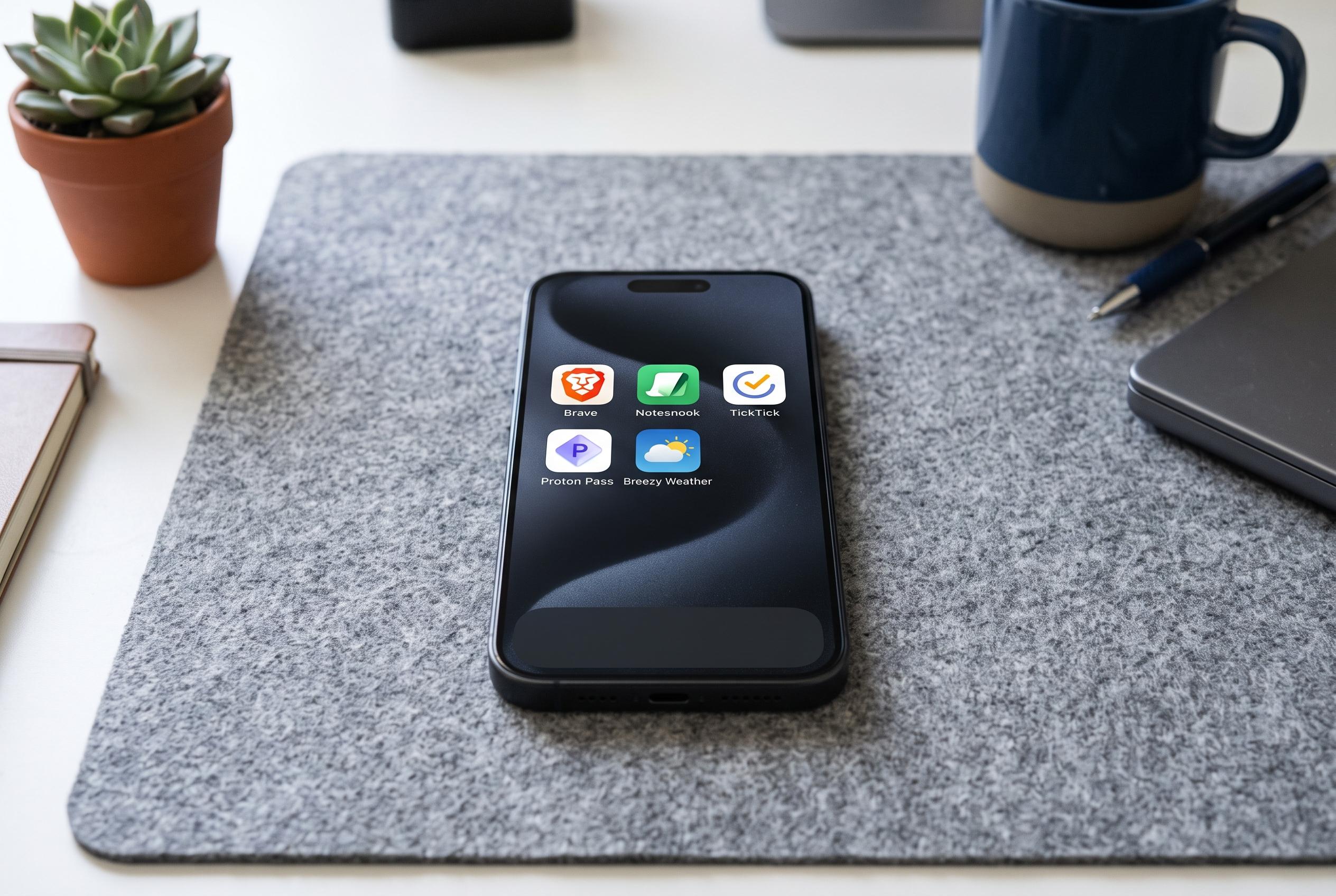

As Google’s core apps increasingly fall short on privacy, control, and flexibility, Android users are embracing third-party alternatives like Brave, Notesnook, TickTick, Proton Pass, and Breezy Weather to enhance their digital autonomy across platforms.
Many Android users remain loyal to Google’s core apps, but the company’s own software is not always the best fit for privacy, control or flexibility. In a recent account, XDA Developers said it has gradually replaced several Google apps on its phones with third-party alternatives that it finds more capable or easier to live with.
For web browsing, Brave has become the preferred replacement for Chrome. According to Brave, the browser blocks ads, trackers and other unwanted content by default, while its Shields system adds fingerprinting protection and other privacy controls. Brave also promotes a private search engine, built-in wallet and VPN support, and says the browser is available across Android, iOS, Linux, macOS and Windows. Brave’s own privacy pages say it reduces calls to Google services and uses client-side encrypted sync to improve data protection.
The same shift applies to note-taking. XDA Developers said Google Keep eventually became too limited for the way it wanted to organise information, and it moved to Notesnook. Notesnook says it is open source, encrypts data before it leaves the device, and supports cross-device syncing, rich text, and media attachments. It is available on Android, iOS, Windows, macOS and Linux, which makes it a practical choice for people who want the same notes everywhere without tying themselves to Google’s ecosystem.
Task management is another area where the Google default did not satisfy the writer. Google Tasks was described as too basic for reminders and follow-up, so TickTick took over. The appeal was not just more features, but better handling of unfinished work, including snoozing reminders, recurring tasks and location-based alerts. That makes it more suitable for users who want a stricter system than Google’s lighter to-do list approach.
Password management followed a similar pattern. Google Password Manager was convenient, especially because it is integrated into Chrome and Android, but the switch to Proton Pass was driven by a desire for standalone, zero-knowledge protection. Proton Pass is available across major platforms and browsers, and Proton says it includes features such as open-source code and hide-my-email aliases. For a user who moves between devices, that independence matters as much as security.
Weather was the last major replacement. XDA Developers said Google’s weather experience has become more limited, with forecast taps now often leading back into search rather than a full dedicated view. It instead settled on Breezy Weather, an open-source app that lets users choose their forecast provider and customise which data appears most prominently. The app is not on Google Play, but can be downloaded from GitHub or F-Droid, making it a stronger fit for users who value control and detail over convenience.
The broader lesson is straightforward: Google’s apps are often good enough, but not always best in class. For users who want more privacy, better organisation or fewer ecosystem lock-ins, the alternatives now offer a credible path away from Google without sacrificing cross-platform access.
Disclaimer: This content is intended for informational purposes only. Readers are advised to exercise their own judgement, conduct due diligence, or consult a qualified expert before acting on any information provided.