
Apple launches a new device leasing programme in the US, exploring pre-loaded data transfer options that reveal shifting consumer privacy concerns amidst innovative service offerings.
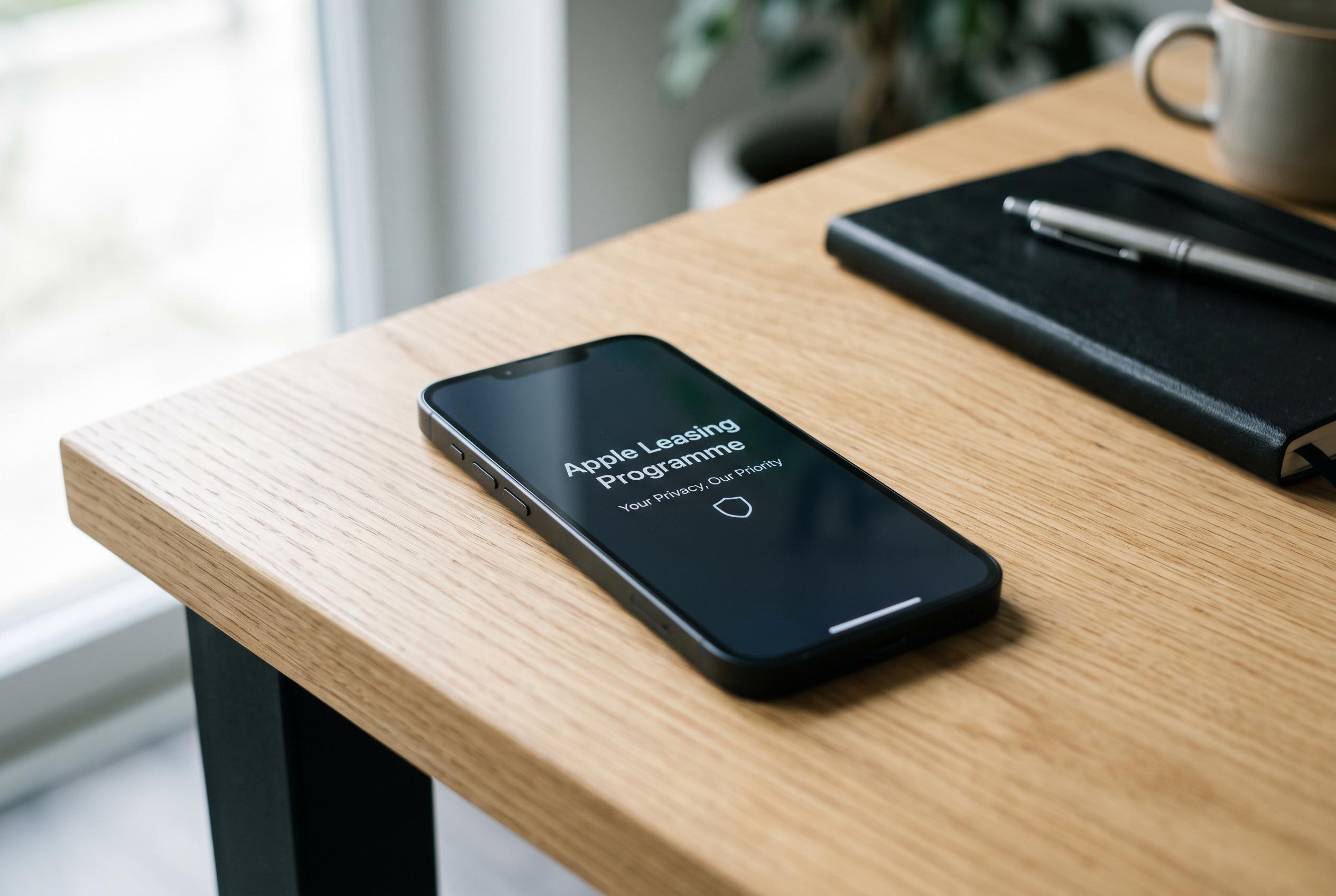
Apple has begun offering a leasing programme in the United States for the iPhone, Apple Watch, Mac and iPad, a move that suggests the company sees more value in predictable monthly payments than in asking customers to buy devices outright. According to Apple’s newsroom announcement, the Apple Upgrade programme starts at $17.99 a month for iPhone and $11.99 for Apple Watch, with 12- and 24-month terms for those devices and 24- and 36-month terms for Macs and iPads. The plan is run with Klarna and is available online, in the Apple Store app and in Apple retail stores.
The more striking part is what Apple appears to have considered alongside the lease itself. Bloomberg’s Mark Gurman reported that the company explored a service that would deliver a device already populated with the user’s data, using iCloud backups to make a new phone or tablet effectively ready at the point of unboxing. Apple’s own support documentation shows that the company already leans heavily on iCloud to move data between devices during setup, including when the old device is not nearby.
That idea, reportedly known internally as a “white-glove” component, would have pushed Apple’s current transfer model a step further by removing most of the remaining setup work. Gurman said the appeal was obvious for people who regularly change devices, since it would eliminate one of the more tedious parts of upgrading. But the same feature also highlights Apple’s central tension: the company can make handover easier precisely because so much personal information is already stored in its cloud systems.
According to Gurman, Apple ultimately decided not to release the data-preloaded version, apparently because of the privacy concerns it would raise. Shipping a device that already contains photos, messages, payment details, authentication codes and other sensitive material could make some customers uneasy, even if the data remains protected in transit. The decision fits a broader shift in consumer attitudes: a feature that may once have seemed convenient now risks looking too intimate for comfort. Apple’s own recent work on privacy messaging for future smart glasses suggests the company is aware that this sensitivity is now part of the market reality.
Disclaimer: This content is intended for informational purposes only. Readers are advised to exercise their own judgement, conduct due diligence, or consult a qualified expert before acting on any information provided.