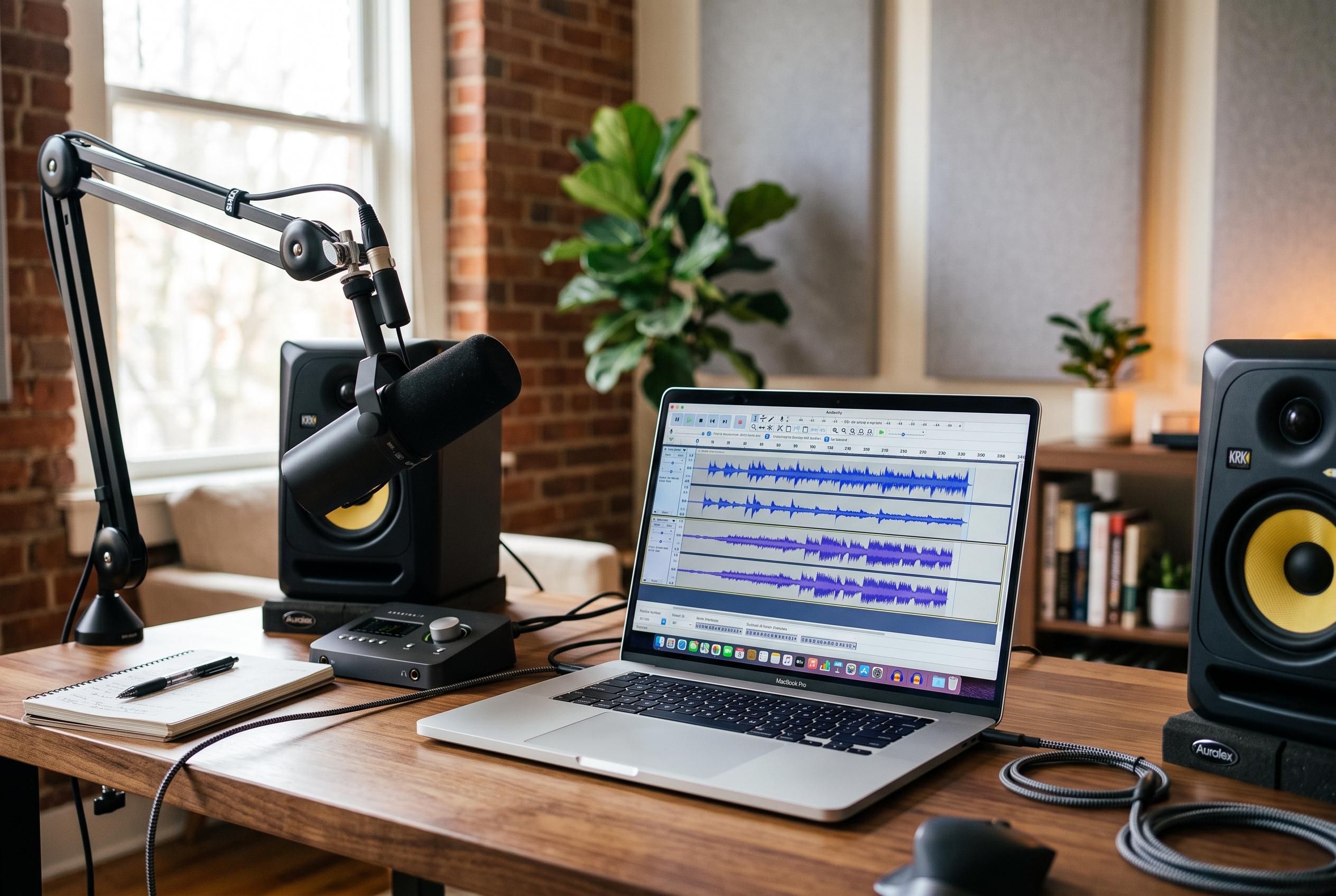

Audacity 4 introduces a redesigned interface, flexible clip management, and real-time processing tools, making it a more capable tool for modern audio production while still not fully qualifying as a DAW.
Audacity 4 marks the clearest attempt yet to move the long-running open-source editor closer to a full digital audio workstation, while still stopping short of that description. The release, which Audacity says arrived on 3 September 2026, brings a redesigned interface, more flexible clip handling and real-time processing tools that make everyday editing feel much closer to a modern production workflow. According to the project’s own announcement, the update is built with Qt and introduces light and dark themes, customisable clip styles and accent colours.
The most significant change is the new clip model. Rather than treating audio as a largely fixed waveform on a track, Audacity 4 lets users select, move, group, trim and stretch clips more directly, including across multiple tracks. Sonicstate reported that clips can overlap and be edited together, while ripple-editing options now control how deletions affect the rest of a session. That shift matters because it makes the software behave less like a basic editor and more like an arrangement tool.
Audacity has also added Workspaces, allowing users to switch between layouts suited to different tasks such as music production, podcast editing or restoration work. MusicTech said the interface can now be rearranged more freely, with toolbars and panels dockable, floatable, hideable or movable, which should make the application easier to adapt to specific jobs. A new project hub, highlighted by Sonicstate, also adds visual thumbnails for local sessions and cloud projects on audio.com.
Real-time effects are another important step. Rather than forcing users to render changes permanently before hearing them in context, Audacity 4 supports effects that can be monitored and adjusted during playback. According to Audacity’s release notes and independent reviews, the update also improves per-track metering and adds support for LV2, VST3 and Audio Unit plugins. For Windows users, official ASIO support is now included in the new build, which should improve compatibility with low-latency audio interfaces.
Even with those gains, the software remains closer to an advanced editor than a full DAW. The missing pieces are still the same crucial ones: full MIDI sequencing and virtual instruments. That leaves Audacity 4 well suited to recording speech, cleaning dialogue, assembling podcasts and handling straightforward multitrack work. For musicians who need synthesis, MIDI composition or complex production routing, a conventional DAW still offers more depth. Audacity’s strongest argument remains that it is free, open source and now far more capable than the minimalist editor many users first installed years ago.
Disclaimer: This content is intended for informational purposes only. Readers are advised to exercise their own judgement, conduct due diligence, or consult a qualified expert before acting on any information provided.