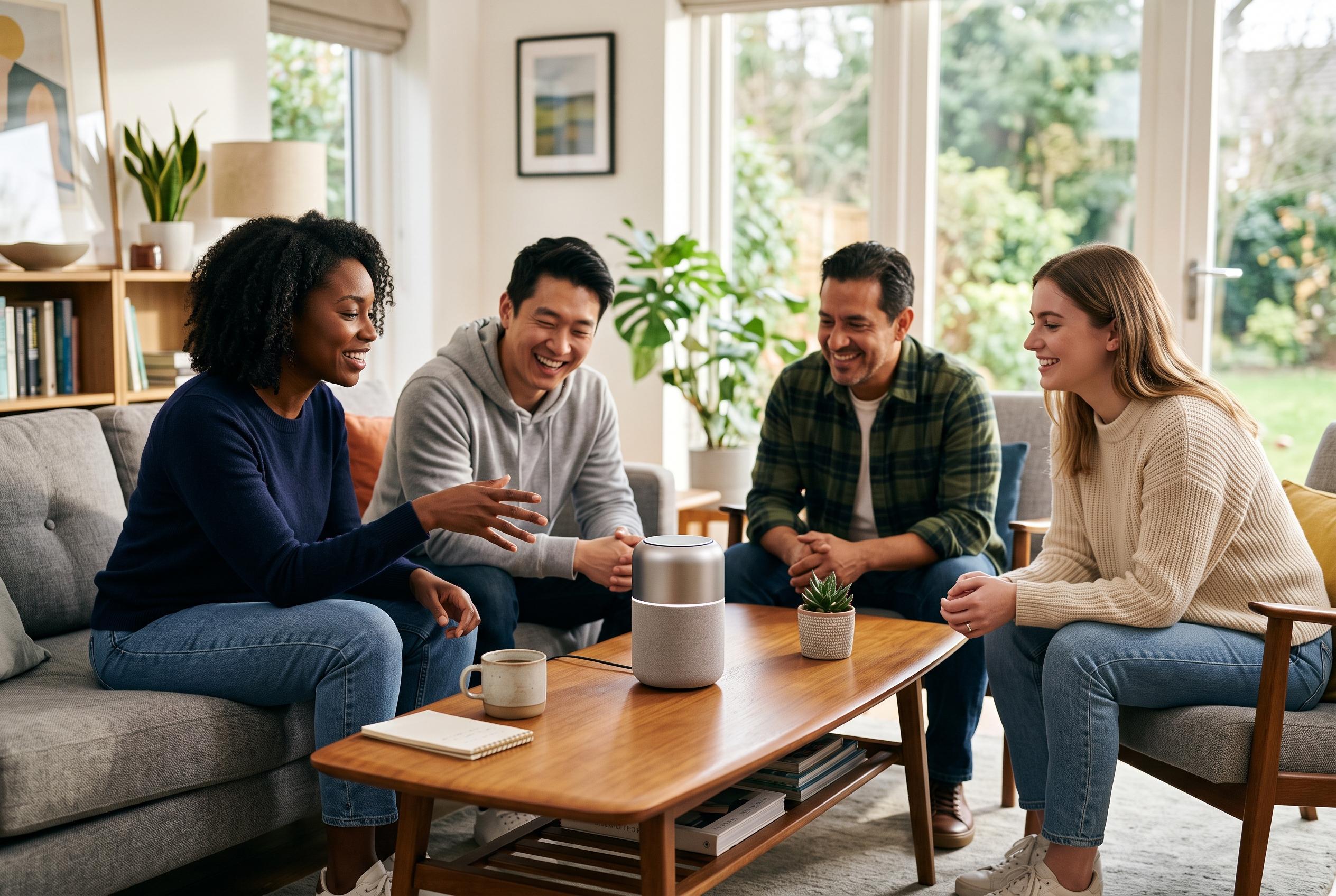

As AI companionship shifts from novelty to norm, experts warn of potential risks, emphasising the need for responsible development and use, especially among vulnerable groups.
AI companions are being marketed as a response to a very modern problem: many people feel socially disconnected, yet want a form of interaction that is immediate, private and available at any hour. The Good Men Project says that products such as Campanion AI are designed to offer conversation, emotional support and help with routine tasks, while also creating a sense of continuity that can make the experience feel more personal. That appeal helps explain why virtual companions are moving from novelty to a more established category of consumer software.
The attraction is not hard to understand. A well-built AI assistant can respond instantly, adapt to a user’s preferences and provide a conversational space that feels free of judgement. The Good Men Project argues that these tools are most effective when they can maintain context, remember earlier exchanges and adjust tone over time. In practical terms, that means the best systems do more than answer prompts: they sustain a relationship-style interaction that feels coherent from one session to the next.
But the evidence on well-being is mixed. A study in Technology in Society found that AI companion use was linked with higher life satisfaction, happiness and sense of purpose, with the strongest effects among people reporting high loneliness or only moderate social connection. At the same time, research in Psychological Science suggests the relationship may run both ways: more chatbot use predicted greater loneliness, while feeling less socially connected also predicted more chatbot use later on. Together, the findings suggest that these systems may offer short-term comfort, but can also become part of a wider cycle of isolation if used without balance.
That divide is important when judging the market. A survey paper titled “Lonely Hearts & Artificial Minds” found that users of AI companions tended to report higher loneliness and lower life satisfaction than users of more general AI assistants. That distinction matters because it suggests different motives behind the two product categories. Some people want productivity help; others are explicitly seeking emotional support. A platform built for companionship therefore carries a different responsibility from one designed mainly for task completion.
Privacy is another central issue. Good Men Project highlights encryption, data-retention controls and clear policies on storage and sharing as essential features when users reveal sensitive details to an AI system. That caution is well founded. The broader debate around AI companions has intensified as products such as Replika and Character.AI have become more visible, with Axios reporting concerns about psychological strain and weak crisis handling, especially where minors are involved. For any user, the basic rule is the same: read the privacy policy, check deletion options and understand how conversational data is used.
Campanion AI is presented as trying to meet those expectations by emphasising natural dialogue, personalisation and memory. According to the article, it is designed to adapt to prior conversations and provide a more continuous experience rather than a series of isolated exchanges. That may be attractive for people seeking reassurance or an always-available listener. Yet the wider research suggests that even the most responsive system should be treated as a supplement to, not a substitute for, human contact.
The same caution appears in elder-care discussions. Kiplinger has reported that AI companions such as ElliQ and Meela are being explored as lower-cost tools to reduce loneliness, send reminders and support independence among older adults. However, experts quoted in that coverage stress that such systems should augment human care rather than replace it. That is probably the right frame for Campanion AI as well. The product may offer value as a companion, but its real usefulness depends on whether it supports healthy use, protects personal data and leaves room for the richer forms of connection that only people can provide.
Disclaimer: This content is intended for informational purposes only. Readers are advised to exercise their own judgement, conduct due diligence, or consult a qualified expert before acting on any information provided.