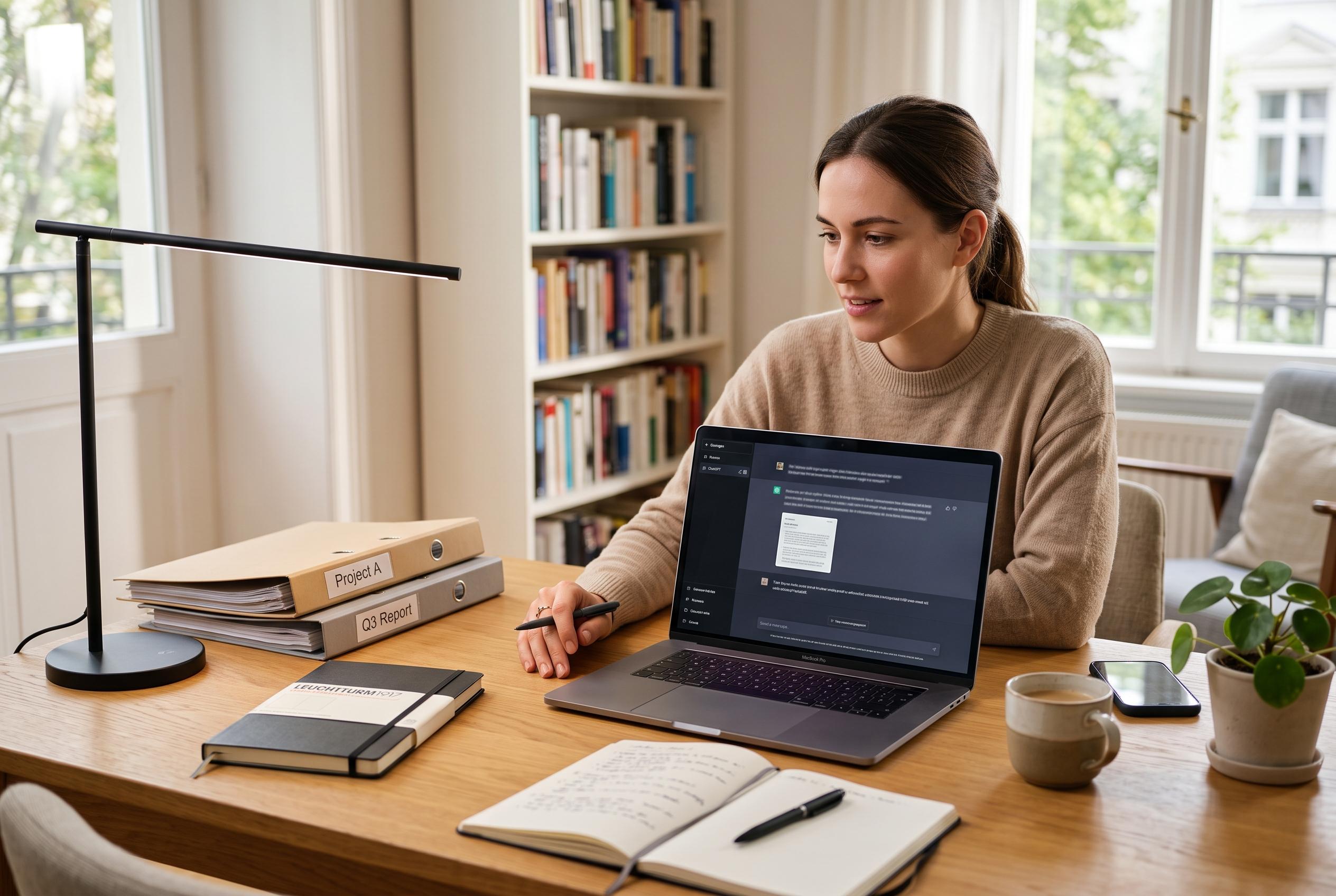

Dropbox deepens its partnership with OpenAI by embedding a native file experience within ChatGPT, enabling seamless searching, previewing, and use of project materials to facilitate AI-driven workflows and improve team collaboration.
Dropbox is deepening its tie-up with OpenAI by adding a native file experience inside ChatGPT, in a move designed to make project material easier to search, preview and use inside AI workflows. The company says the update is aimed at helping people work from the wider context behind a task, rather than jumping between isolated documents, and it comes as usage across Dropbox’s AI integrations has risen more than 13-fold over the past four months, according to the company. Dropbox and OpenAI have already linked the services through a Model Context Protocol-based app, but the new setup places Dropbox more directly into ChatGPT’s standard file flows.
The integration means users can browse and search Dropbox folders in ChatGPT’s Library, choose from recent files, mention a file in a prompt and preview documents, including videos, alongside the conversation. Dropbox said this builds on the earlier app-based connection, while making it faster to surface the source material behind a piece of work. OpenAI’s product lead for personalisation and context, Sondra Batbold, said in a statement that bringing Dropbox files and context into ChatGPT should make it easier to move from finding information to understanding it and acting on it, while still respecting existing permissions.
For teams handling source-heavy work, the attraction is continuity. Dropbox says users can keep the original file visible beside the chat, which should make it simpler to compare versions, check details and synthesise feedback without constantly switching between apps. The company also says ChatGPT can preview video files without download or re-upload steps, which may be useful for marketing teams adapting campaign assets. In Dropbox’s example, a team could review a campaign video, ask ChatGPT to generate a revised version with updated branding, then save the result back into the relevant folder.
The arrangement also reflects a broader shift in how Dropbox is positioning itself around AI. Rather than acting only as a storage service, it is presenting itself as a durable home for source material and the work created from it, even as people move between different AI tools. Existing Dropbox permissions remain in force, meaning users can only work with files they already have access to through their account. At launch, the native experience is available on the web for ChatGPT and ChatGPT Work, including Enterprise users, with mobile support to follow.
Disclaimer: This content is intended for informational purposes only. Readers are advised to exercise their own judgement, conduct due diligence, or consult a qualified expert before acting on any information provided.