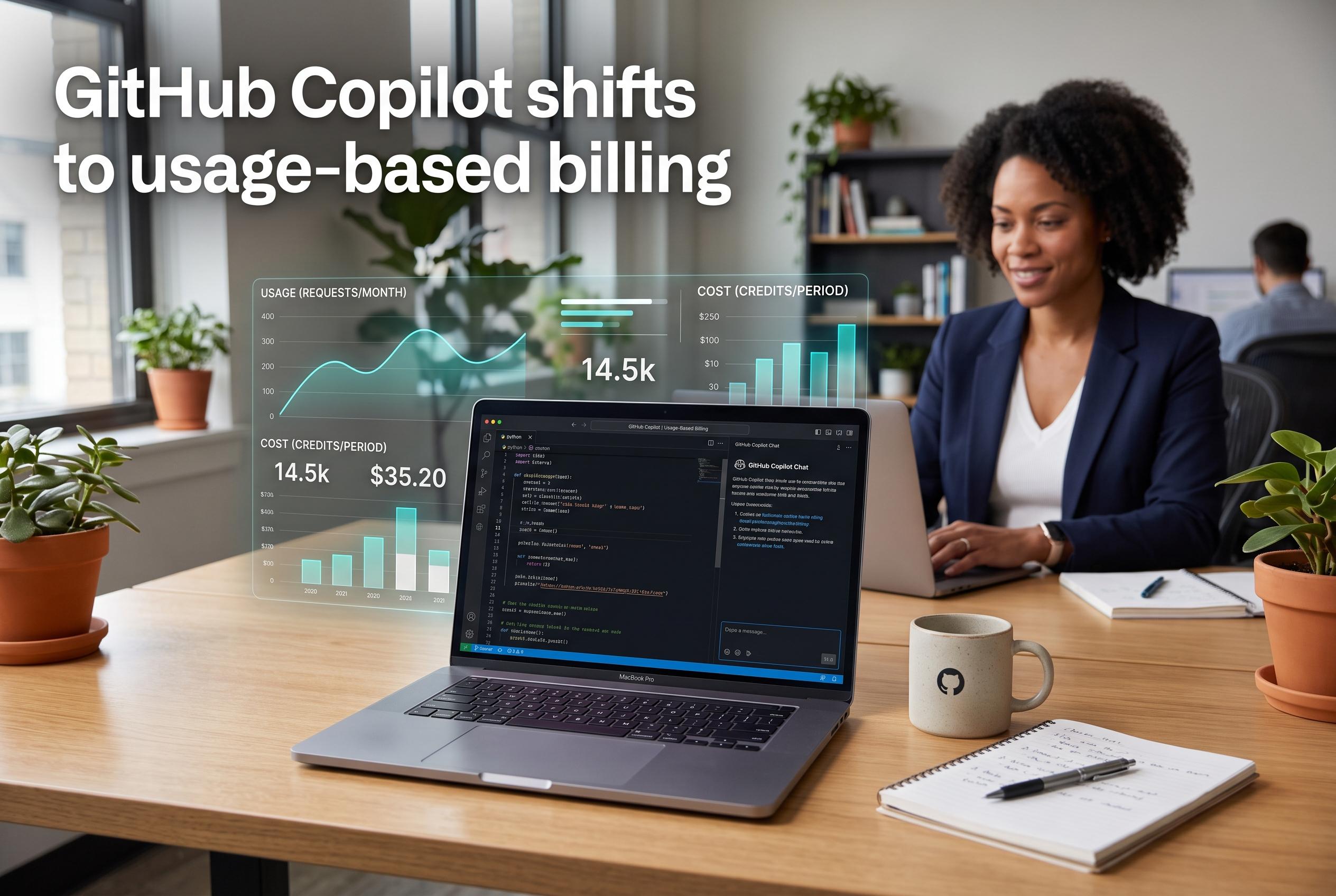

GitHub’s move from flat-rate to metered billing for Copilot marks a significant shift in AI economics, prompting industry concern over rising costs for developers relying on advanced coding assistance.
GitHub’s Copilot pricing shift marks a broader turn in the AI market: the period of generous, flat-fee access is giving way to metered billing, and with it a sharper focus on who pays for heavy use. According to GitHub’s April announcement and subsequent reporting by technology outlets, the company moved from counting premium requests to charging against AI Credits based on token consumption from June 1, 2026. That means the most expensive parts of the product are no longer the basic code-completion prompts, but the more intensive functions such as chat, agent-style workflows and code review.
The change matters because it alters the economics of developer tools that had been sold as predictable monthly subscriptions. Under the new model, GitHub Copilot plans still include a monthly allowance, but usage is drawn down by how much model output is generated rather than by a simple request count. Code completions remain included on paid plans, yet more advanced features consume credits more quickly, especially when developers rely on repeated prompts or autonomous sessions.
That has prompted a backlash from users, several of whom told Livemint they were frustrated by the loss of flat-rate pricing and were considering alternatives. The criticism reflects a wider concern across the software industry: if AI tools become expensive at scale, teams that adopted them for productivity gains may end up with higher and less predictable bills. Specialist coverage from Copilot-alternatives.com and unerr.dev says the switch also followed an earlier change in 2025, when GitHub introduced premium request units before replacing that system again in 2026.
For GitHub, the move appears to be an attempt to align revenue with actual model usage, particularly as agentic coding tools drive far more token consumption than earlier products were designed to handle. For customers, it is a reminder that AI pricing is moving closer to cloud-style metering, where the real cost depends on how intensively a service is used. The result may be a more accurate charge model for providers, but also a less forgiving one for developers who depended on fixed monthly costs.
Disclaimer: This content is intended for informational purposes only. Readers are advised to exercise their own judgement, conduct due diligence, or consult a qualified expert before acting on any information provided.