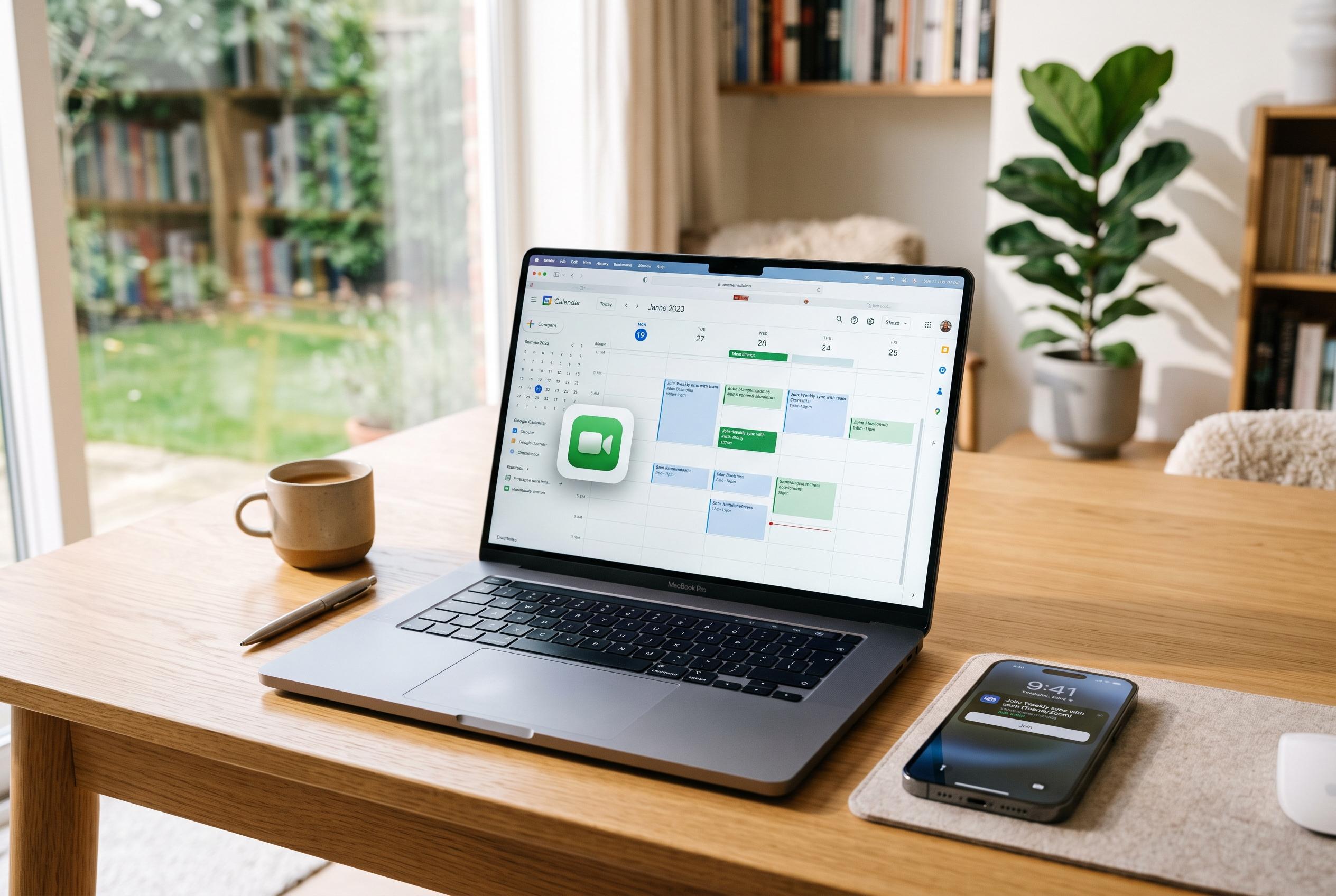

Google is rolling out new interoperability features for Calendar that simplify joining third-party meetings from Microsoft Teams, Zoom, and Cisco Webex, aiming to reduce key pain points in hybrid working.
Google is adding interoperability features to Calendar that make third-party video meetings easier to join across mixed platforms. According to the company’s Workspace Updates blog, the changes are designed for meetings that use Microsoft Teams, Zoom or Cisco Webex links, and they target one of the most common pain points in hybrid working: getting from an invite to the call without hunting through message text or switching apps.
For invitations sent from Google Calendar to people using external clients such as Microsoft Outlook or Apple Calendar, Google will now place the conferencing URL into the event’s Location field. That matters because many third-party calendar apps display location details more prominently than the body of the invite, often as a clickable button or chip. The practical effect is that external recipients should be able to join with a single tap or click, rather than opening the full event description to find a link.
Google is also improving the reverse journey. When Calendar receives an invitation from an external system containing meeting details in the description or location fields, it will attempt to extract the URL, meeting ID and passcode into structured video data. Users on the web, Android and iOS will then see a clear “Join video call” button on the event itself. Microsoft’s own support material already explains how Teams meetings can be scheduled from Google Calendar, while Cisco Webex has long promoted interoperability features such as hybrid calendar support and one-button joining, underlining how common cross-platform meeting workflows have become.
The feature will roll out without any admin setting to enable it. Google says it will be available by default for supported invitations across incoming and outgoing Calendar events, and applies to Google Workspace customers, Workspace Individual subscribers and personal Google accounts. The company said the rollout begins on August 27, 2026 for both Rapid Release and Scheduled Release domains, with visibility taking longer than 15 days in some cases.
Disclaimer: This content is intended for informational purposes only. Readers are advised to exercise their own judgement, conduct due diligence, or consult a qualified expert before acting on any information provided.