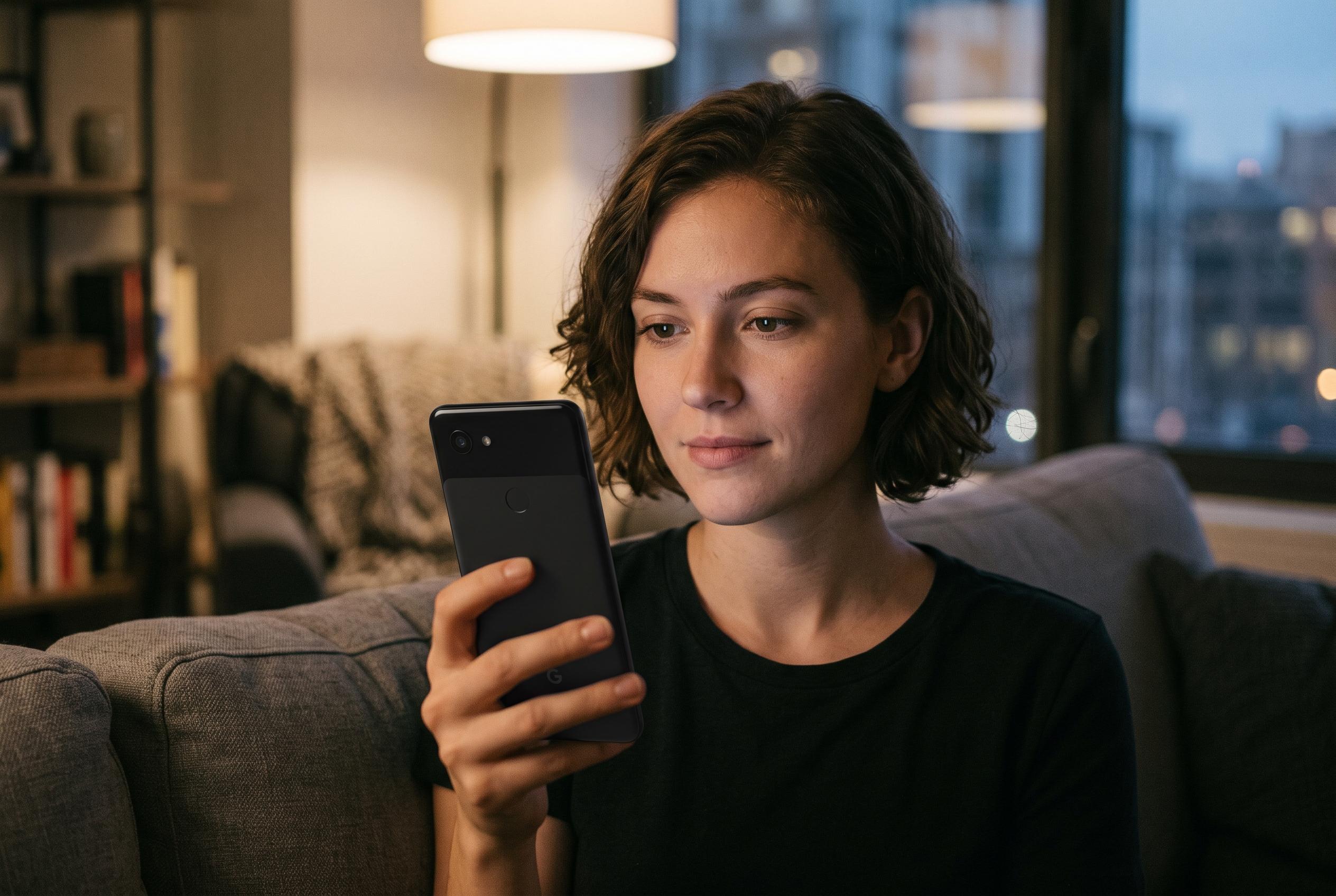

Google has quietly upgraded the face unlock system on its Pixel 11, Pixel 11 Pro, and Pixel 11 Pro Fold, promising faster, more secure performance in low-light environments, yet still dependent on software rather than dedicated hardware.
Google has quietly updated its Pixel 11 product pages to signal a meaningful improvement to face unlock in low light, extending the change across the Pixel 11, Pixel 11 Pro and Pixel 11 Pro Fold. According to reporting by 9to5Google cited in the Portuguese technology site TugaTech, the company now says facial unlocking is faster, safer and more accurate in dim conditions than on the Pixel 10 range.
The change matters because Google’s current face unlock system still relies on the front camera rather than dedicated infrared hardware. The company has spent recent generations improving that software-based approach, and the feature reached Android’s highest biometric security tier with the Pixel 8 line, which allowed it to be used for banking apps and tap-to-pay authentication as well as basic phone access.
Google’s own security pages now frame the improvement as a practical one: easier and more secure access when lighting is poor, while still keeping the user’s private data protected. The face unlock feature sits alongside other security tools in the Pixel specification sheets, including the Titan M3 chip, built-in VPN, call screening, scam detection and satellite SOS.
The wider Pixel 11 range itself brings substantial hardware changes. Digital Camera World reports that the base model gains a new 48-megapixel main sensor with 56% better light sensitivity, while the Pro models move to a 50-megapixel main camera and a new 48-megapixel telephoto unit. Android Central and TechRadar say all four models, including the Pixel 11 Pro XL and Pixel 11 Pro Fold, are powered by Google’s Tensor G6 chip, with improvements to speed, efficiency and AI processing.
Even so, Google has not yet closed the gap with rival systems that use dedicated biometric hardware. A previous infrared-based face unlock solution for the Pixel line was rumoured, but did not arrive for the new generation. That leaves Google’s system dependent on camera performance and software tuning, which can improve low-light use but still falls short of Apple’s Face ID in almost total darkness.
Disclaimer: This content is intended for informational purposes only. Readers are advised to exercise their own judgement, conduct due diligence, or consult a qualified expert before acting on any information provided.