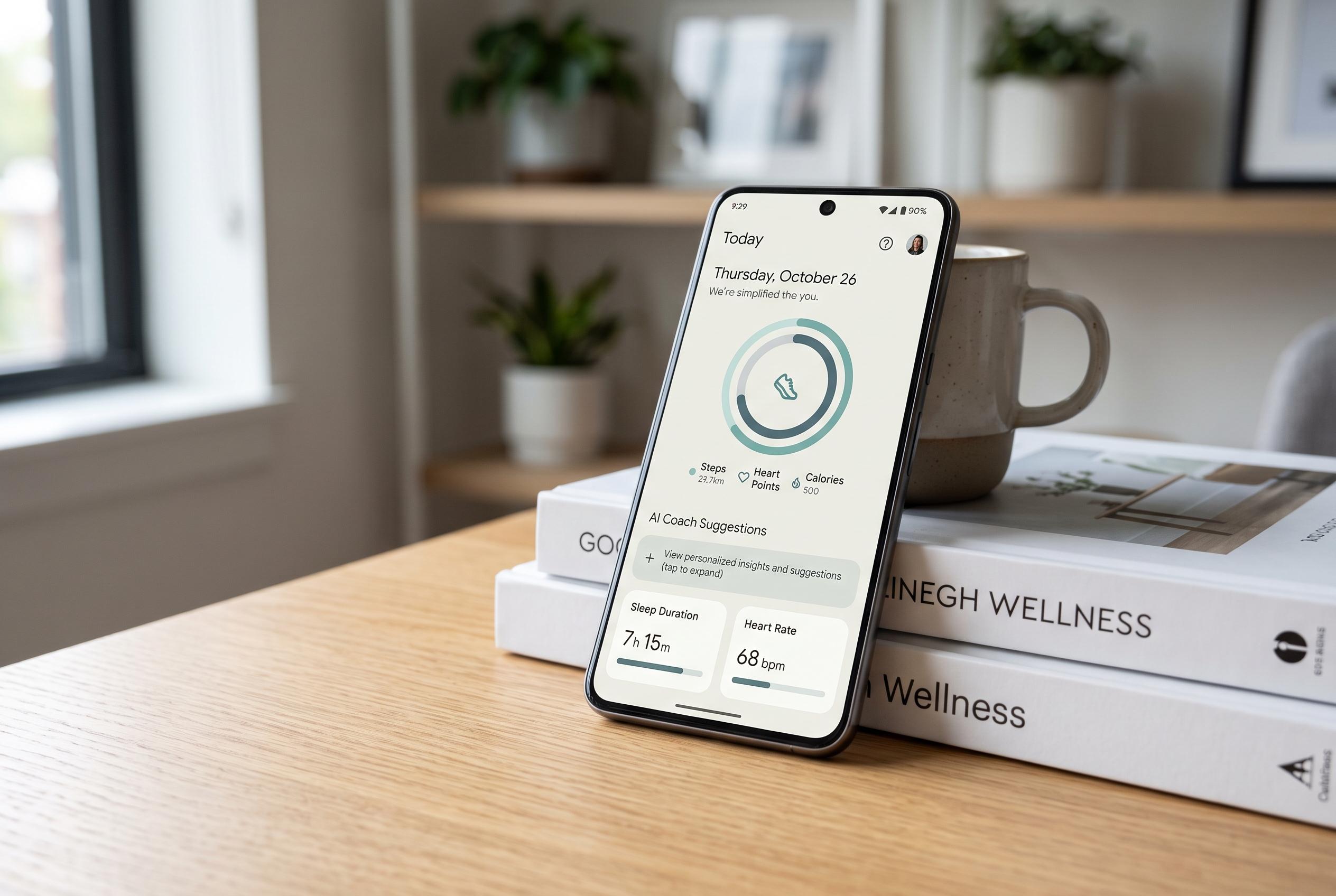

Google has launched a new feature allowing users to hide AI Coach suggestions from the main Today view in its Health app, aiming to reduce clutter and improve user experience amid mixed reactions to the redesign.
Google is rolling out a small but notable change to its Health app that lets users hide AI Coach suggestions from the default Today view. According to TechRadar and Google’s own product update, the option arrives in version 5.06 on Android and iOS and is aimed at making the app less cluttered for people who mainly want quick access to their core fitness data. The AI Coach remains available to subscribers, but it no longer needs to dominate the first screen.
The setting appears under the Coach section in Google Health settings, reached from the user profile menu. That is the intended route, although TechRadar says some users have reported that the toggle has not yet appeared even after updating, which points to a staged rollout rather than an immediate global switch. Google’s help pages also show that the Coach is built around personalised guidance using activity, sleep and other health metrics, which explains why the company is treating the feature as a configurable layer rather than something to remove entirely.
The change follows months of mixed reaction to Google Health’s redesign, which replaced Fitbit’s app experience earlier this year. Google’s official launch post described the app as a central place for health and wellness data, with an AI coach intended to help users build habits across fitness, nutrition, sleep and mindfulness. But as TechRadar has reported in separate coverage, some Fitbit users have been angered by what they see as unreliable or overbearing AI behaviour, including suggestions that feel repetitive or inaccurate.
The new option does not disable the coach altogether. It simply keeps its commentary out of the main Today page, while leaving it accessible on the Fitness tab for anyone who still wants to ask questions. Google’s support material also makes clear that the coach is informational rather than medical, and advises users to seek professional advice before changing health plans. For many users, that narrower role may be exactly the point: less interruption, more useful data.
Disclaimer: This content is intended for informational purposes only. Readers are advised to exercise their own judgement, conduct due diligence, or consult a qualified expert before acting on any information provided.