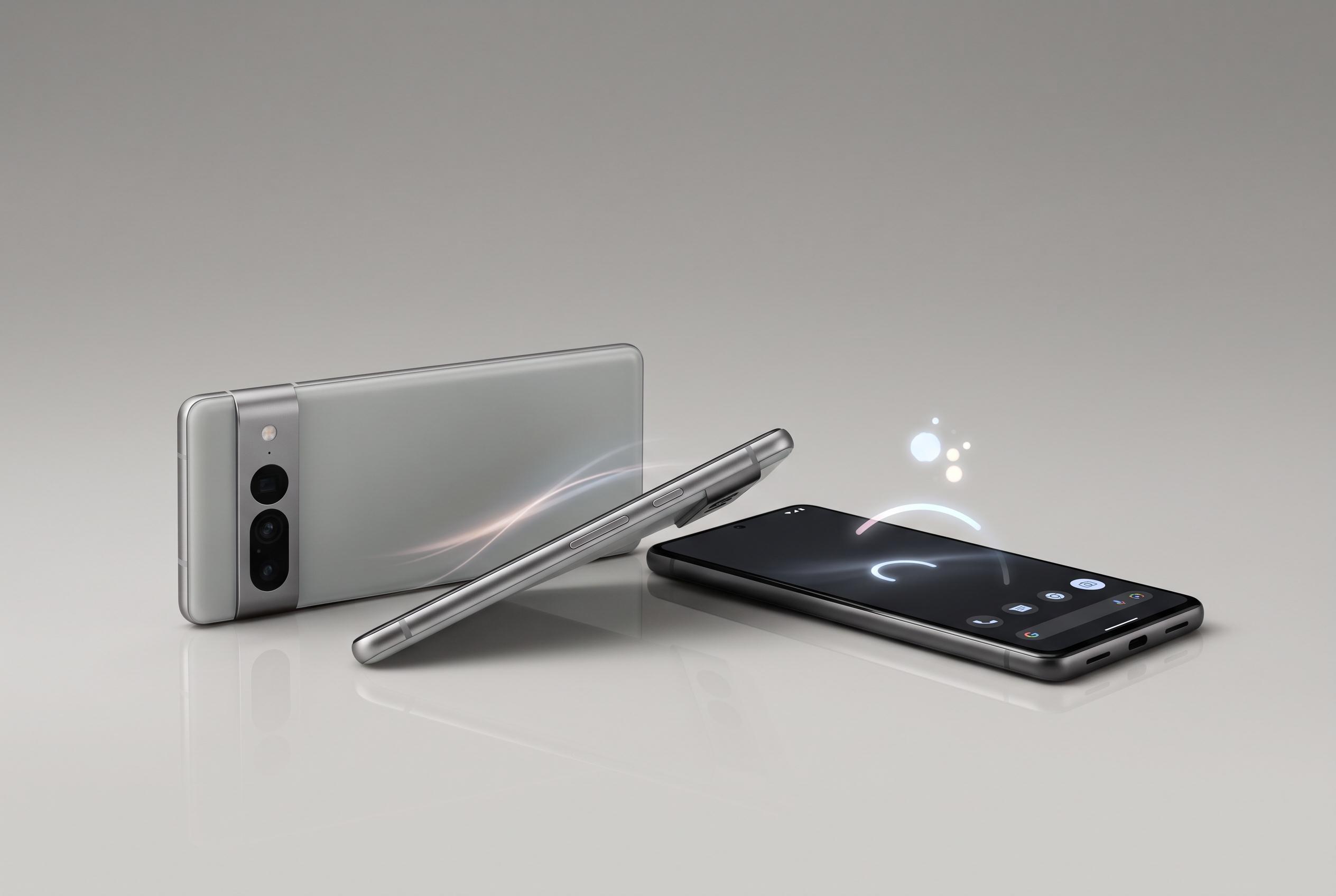

At the Made by Google event, the tech giant unveiled the Pixel 11 range, focusing on smarter device usage, proactive notifications, and enhanced AI capabilities to shift user behaviour away from constant screen engagement.
Google’s latest Pixel launch was framed less as a hardware refresh than a change in behaviour. At the Made by Google event on 12 August, the company presented the Pixel 11 range, the Pixel Watch 5 and a new tracker alongside a broader pitch that its devices should make people feel less tied to their screens. The message was clear: Google wants its products to be used more intelligently, and in some cases less often. That argument was paired with a deeper push into Gemini-powered features, which are intended to do more of the routine work that users currently handle themselves.
The flagship phones in the line-up are the Pixel 11, Pixel 11 Pro, Pixel 11 Pro XL and Pixel 11 Pro Fold. According to coverage from Android Central, all of them are built around Google’s Tensor G6 chip, which the company says brings a substantial jump in AI processing, while TechRadar reported that the standard models start with 12GB of RAM and place more emphasis on efficiency than on a wholesale redesign. The Pro models and the foldable carry the most ambitious hardware, including brighter displays, upgraded cameras and the company’s new HiLight notification system, an LED feature around the rear camera bar that can glow for selected contacts and, later, messages.
That lighting strip is being sold as a small but practical way to reduce the need to keep checking the phone. T3 described HiLight as a visual alert system tied to calls and Gemini interactions, while What Hi-Fi? said it is designed to make glanceable notifications and AI responses more immediate. In practice, it is also part of a broader attempt to normalise a more proactive form of assistant software. Rather than simply responding to prompts, Gemini is being placed at the centre of the experience, from organising information to supporting voice-led actions across phones, watches and, later this year, smart glasses.
That is where the scepticism begins. Google’s public line is that these tools can help users spend less time tapping and scrolling, but the effect may be more complicated. The most time-consuming parts of phone use are often not admin tasks such as booking, messaging or scheduling, but social platforms and video feeds. By contrast, the new Pixel features are aimed precisely at those mundane tasks, making them a neat showcase for agentic AI rather than a direct remedy for screen addiction. The company appears to be preparing users for a future in which voice, ambient notifications and wearable devices matter more than constant interaction with a handset.
Disclaimer: This content is intended for informational purposes only. Readers are advised to exercise their own judgement, conduct due diligence, or consult a qualified expert before acting on any information provided.