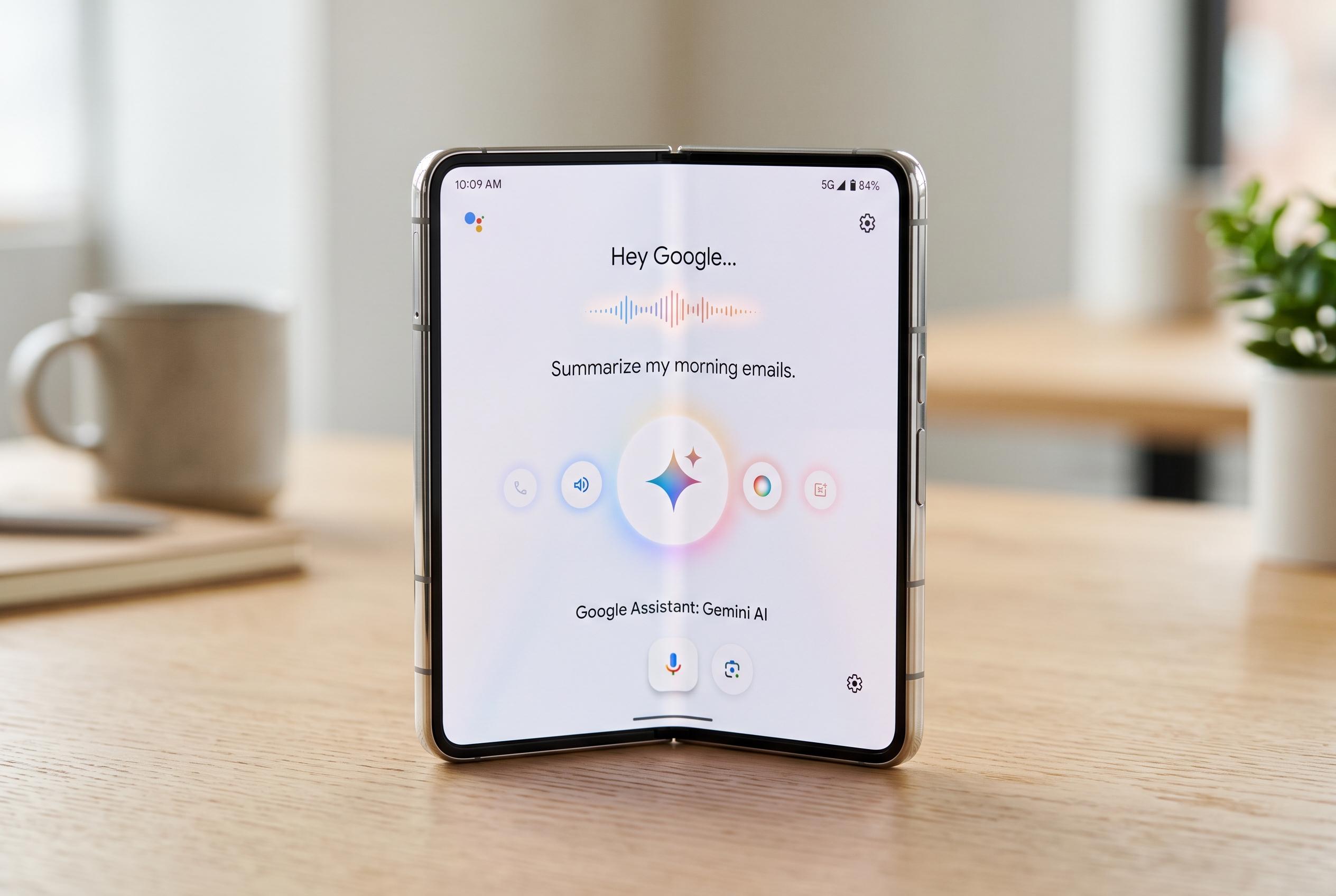

Google unveils the Pixel 11 Pro range, emphasising AI and voice-led interactions with features like HiLight and a foldable model, signalling a shift towards a less screen-centric, more automated ecosystem.
Google is presenting its latest Pixel range as a lesson in restraint, but the pitch is less about digital wellbeing than about shifting people towards a more automated, voice-led relationship with their devices. At Made by Google, executives framed the phone as something that should interrupt less and anticipate more, with the company’s agentic AI ambitions at the centre of that message. The emphasis sits neatly alongside the new Pixel 11 Pro family, which is being marketed as a set of devices that reduce the need for constant tapping and scrolling.
One of the clearest examples is HiLight, a rear-camera light ring on the Pixel 11 Pro models that glows for important calls and, later, text alerts. According to coverage by T3, users can also assign custom colours to specific contacts, turning the feature into a visual notification system rather than another on-screen prompt. TechRadar reports that the Pro models pair this with a 50MP main sensor, a 120x zoom mode and Google’s new Tensor G6 chip, while the standard Pixel 11 does not get HiLight, a sign that Google is reserving some of its most visible features for pricier models.
The company is also pushing the Pixel 11 Pro Fold as a more capable alternative to competing foldables. Android Central says the device was unveiled on 12 August 2026, with a lighter 239g design, IP68 protection, brighter OLED panels reaching 3,600 nits and the same Tensor G6 platform. Tom’s Guide describes it as a more affordable rival to Samsung’s Galaxy Z Fold 8 Ultra, while noting its larger cover display, improved multitasking tools and AI features such as Gemini Spark and Magic Capture. The foldable starts at $1,899, placing it firmly at the premium end of the market.
That broader strategy matters because Google is not just selling hardware refinements; it is preparing users for a shift in how computing works. The company’s current AI features are aimed at handling routine tasks such as finding information in email, drafting invitations and coordinating responses with less manual effort. Its wearables and future smart eyewear are expected to lean even more heavily on voice control, suggesting that the phone is being positioned as a bridge to a less screen-centred ecosystem. Whether that actually reduces distraction is another question, but the direction of travel is clear: Google wants its devices to do more of the work, and users to interact with them in a more conversational, less touch-driven way.
Disclaimer: This content is intended for informational purposes only. Readers are advised to exercise their own judgement, conduct due diligence, or consult a qualified expert before acting on any information provided.