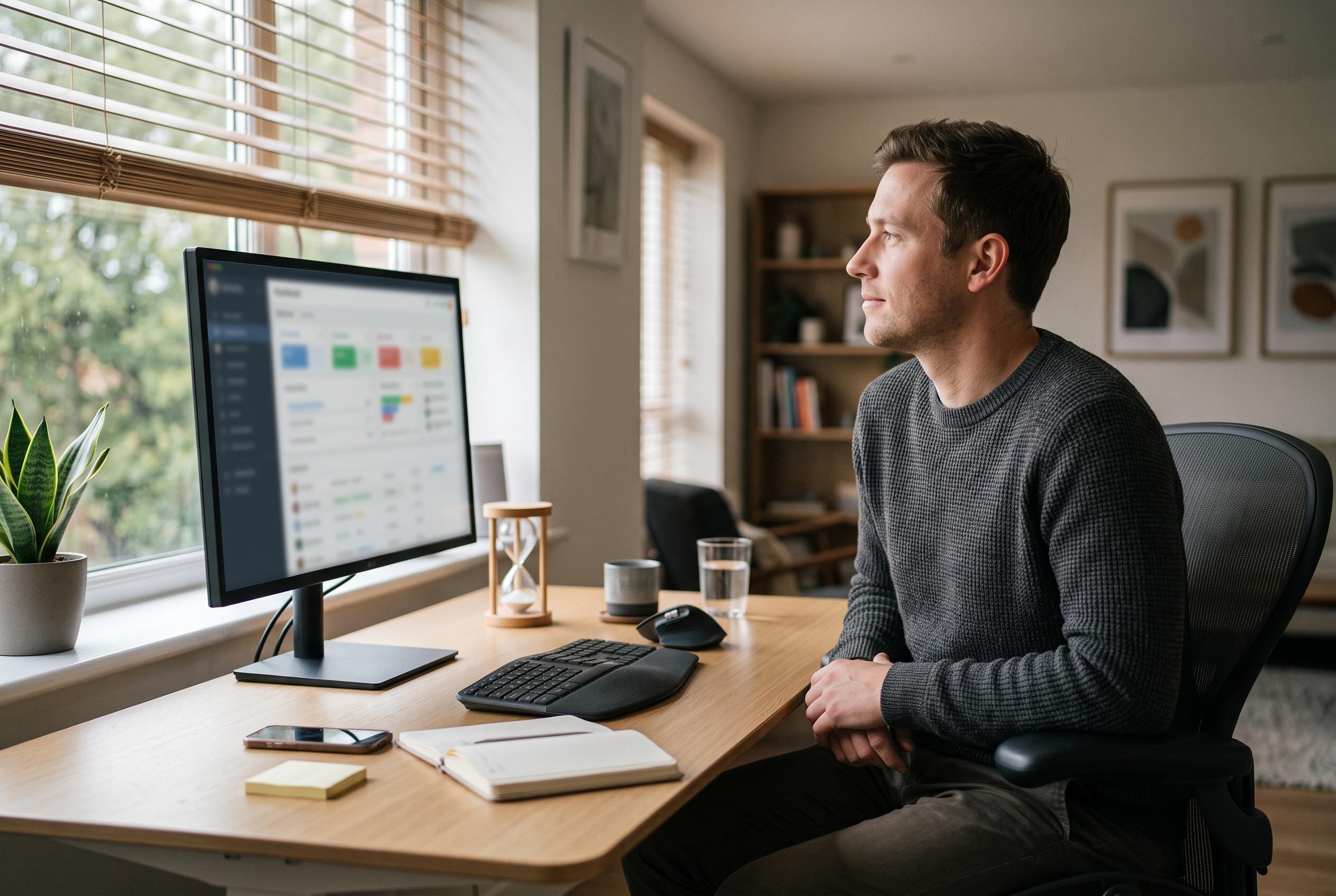

Recent Linux applications emphasise setting limits and understanding work patterns over relentless optimisation, fostering healthier and more deliberate working practices.
Linux has a long history of offering practical tools for people who want to work more deliberately rather than more intensely. A recent How-To Geek round-up argues that the most useful apps are not necessarily the ones that push output higher, but the ones that help users set limits, step away at sensible moments, and understand what their time is actually being spent on. That framing is consistent with the wider open-source ecosystem, where several desktop tools now focus on healthier working habits rather than relentless optimisation.
For structured work sessions, GNOME’s Sessions and the separately maintained Focus Timer both follow the Pomodoro method, which divides work into timed bursts with breaks in between. According to the GNOME Apps site, Sessions offers a clean visual timer with custom durations and is distributed through Flathub, while the Focus Timer project on GitHub says its newer releases add deeper desktop integration, shortcuts, break overlays, and usage statistics. The broader point is not simply to count minutes, but to make focus periods visible and finite, which can help prevent work from quietly spilling across the whole day.
At the other end of the spectrum is Workrave, a much stricter break manager designed around repetitive strain injury prevention. The project’s own documentation says it issues microbreak prompts every few minutes, rest breaks at longer intervals, and daily usage limits once a configurable threshold is reached. That approach can feel intrusive, and the software is intentionally forceful about enforcing pauses, but that is also its value for anyone who ignores gentler reminders. In practice, Workrave is less about productivity theatre than about forcing the body to interrupt habits that can become harmful.
Stretchly takes the same idea and presents it in a softer, more explanatory form. Rather than simply blocking work, it suggests what to do during a break and pauses more politely when the system is idle or set to Do Not Disturb, making it better suited to users who want reminders without hard interruption. That difference matters: where Workrave is built to be uncompromising, Stretchly is designed to be easier to live with, especially on a machine used for long stretches of concentrated work. The trade-off is that some users may prefer its tone, while others may want firmer enforcement.
The more revealing tools are often those that do not try to manage time at all, but instead help users interpret it. ActivityWatch automatically records which applications and windows are in use and when the user is away from the keyboard, storing the data locally in a browser-based dashboard. Because the information stays on the device, it is positioned as a privacy-first alternative to workplace surveillance rather than a monitoring platform. That makes it useful not just for seeing how long tasks took, but for spotting patterns such as excessive context switching, idle stretches, or time lost to fragmented attention.
If measurement is only part of the problem, reflection is the rest. RedNotebook approaches the workday as something to be reviewed, not just tracked. It is a simple calendar-based journal with full-text search, templates, and export options, allowing users to record what was completed, what stalled, and what should change tomorrow. In that sense, it complements time-tracking tools rather than replacing them. Together, these Linux applications point to a more sustainable idea of productivity: not squeezing every last minute, but making work time clearer, healthier, and easier to evaluate honestly.
Disclaimer: This content is intended for informational purposes only. Readers are advised to exercise their own judgement, conduct due diligence, or consult a qualified expert before acting on any information provided.