
A new generation of local AI systems, with 32GB to 128GB memory ranges, is transforming private AI deployment, favouring intent and use case over raw size as the key decision factor.
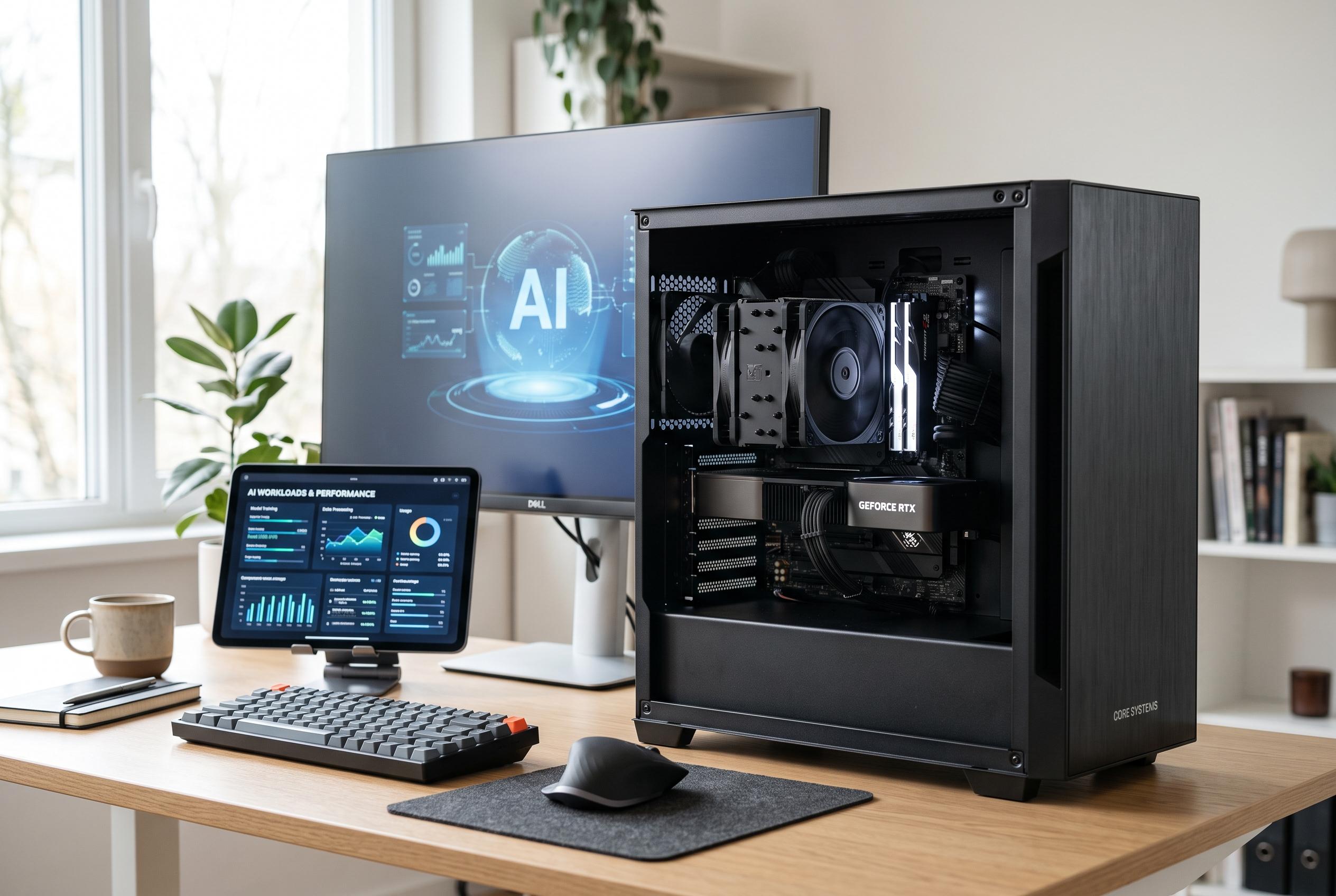
The practical threshold for local AI has shifted. A 32GB machine can now handle a private multimodal model that reads images, reasons over code, calls tools and remains useful beyond novelty. That does not mean every 32GB system behaves the same. Fast, accelerator-accessible memory still matters more than headline capacity, whether that is GPU VRAM, Apple unified memory or another coherent pool. A desktop with 128GB of system RAM and an 8GB graphics card is not equivalent to a 128GB unified-memory Mac or a purpose-built AI box.
The buying decision is therefore less about raw size and more about intent. Around 8GB is enough for a narrow private assistant. The 24GB to 32GB range is the first genuinely interesting mainstream tier, because it can sustain a capable general-purpose model without demanding workstation spending. At 64GB, local systems begin to support a more serious coding lane, larger context windows and fewer compromises. At 96GB to 128GB, users gain room for bigger models and longer sessions, but not a linear leap in intelligence. The best model is still the one that fits comfortably in memory.
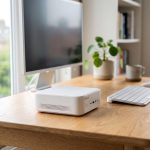
That pattern is visible in current hardware and model releases. TechRadar’s review of the Geekom A9 Max 2026 describes a compact mini PC with 32GB of DDR5 memory by default, upgrade paths to 128GB, and enough performance to run local models such as Qwen 7B alongside professional workloads. On the software side, Bonsai 27B has appeared as an Apache 2.0 local release in both a very small 1-bit form and a larger ternary build, although it still depends on custom low-bit kernels rather than behaving like a standard drop-in quantisation for every GGUF application.
Model choice also depends on context length and bandwidth. Hardware guidance from local inference specialists says Qwen3.5 27B can fit on a 24GB GPU in 4-bit form, up to 131,000 tokens of context, but becomes memory-hungry at 262,000. For longer sessions, a 35B mixture-of-experts variant is presented as the more practical option on the same class of card. On Apple Silicon, benchmarks for Qwen3.6-27B on a 48GB MacBook Pro M4 show roughly 9.8 tokens per second in single-request use, 26.9 tokens per second with batch processing, and around 25GB of peak RAM. That is enough to make local AI feel less like a demo and more like infrastructure.
Disclaimer: This content is intended for informational purposes only. Readers are advised to exercise their own judgement, conduct due diligence, or consult a qualified expert before acting on any information provided.