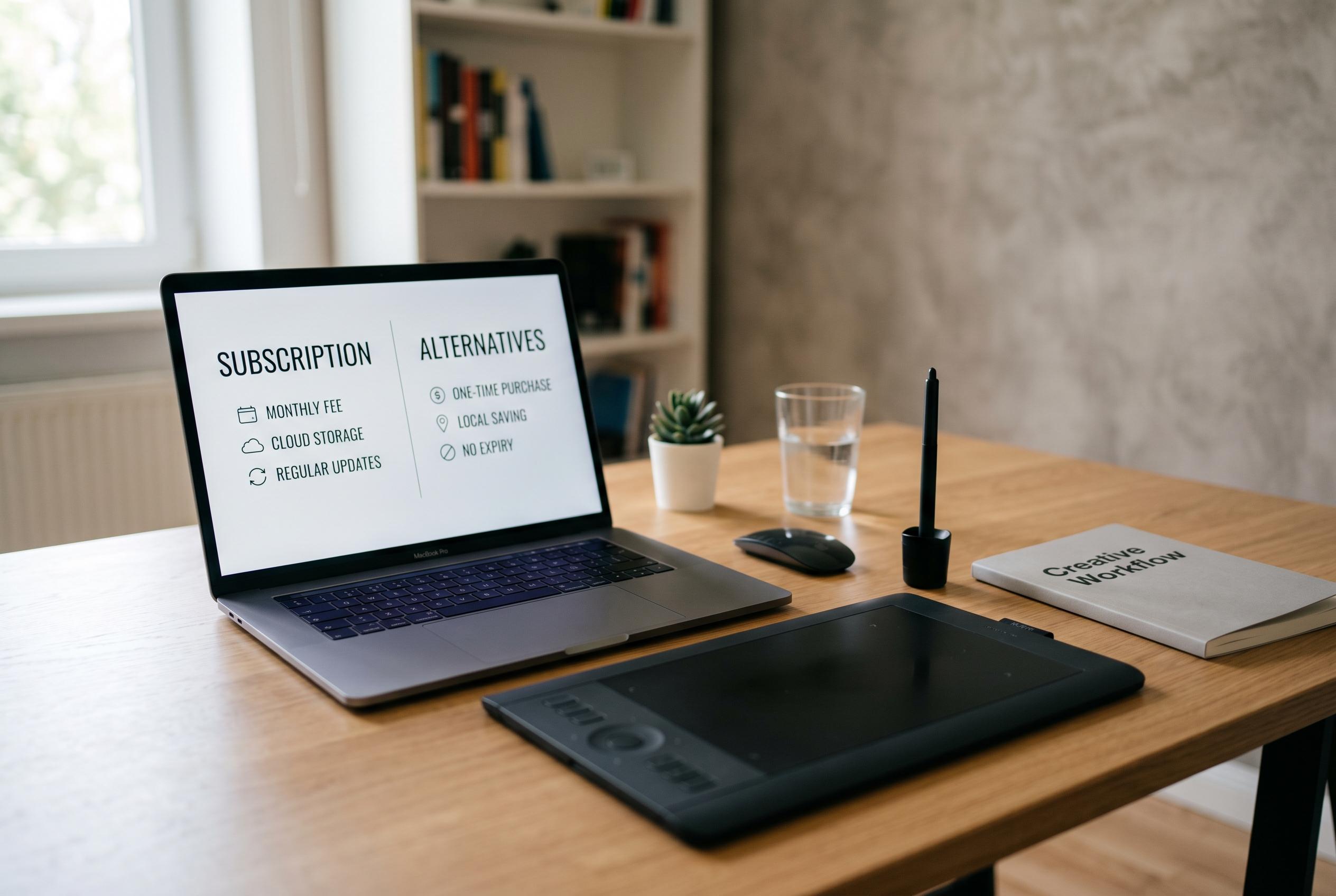

Frustration with Adobe’s shift to subscription-only licensing and invasive software practices pushes creatives towards alternatives like Affinity, signalling a potential shift in the industry’s software ecosystem.
Jem Jabella’s account captures a familiar trajectory for long-time Photoshop users: years of loyalty, growing frustration, then a final break. Jabella says the shift from perpetual licences to Adobe’s subscription model was tolerable at first because the software still had a practical role in client work. Over time, though, the value proposition weakened as day-to-day use declined and the monthly cost kept rising.
That tension has become more common across the creative industry. Reviews of Creative Cloud in 2026 continue to criticise its subscription-only structure, which can leave users without access to key tools and file workflows if they cancel. Critics also point to the cost of the all-apps plan, early termination charges and the strain the suite can place on hardware, especially for freelancers and small studios working on tighter margins.
Adobe’s pricing strategy has been controversial for years. Reports from design trade publications have described the company’s move to subscriptions as commercially shrewd but deeply unpopular with many users, particularly those who remember buying software once and keeping it for years. That resentment has only grown as the company has layered more services into its ecosystem while, in some users’ view, making cancellation and billing harder to navigate. Adobe has also faced legal scrutiny over subscription practices, with a reported $150 million settlement in the United States adding to the pressure for clearer disclosure and simpler cancellation terms.
Jabella’s breaking point came when the Creative Cloud desktop app apparently altered a hosts file entry without permission, a move she described as crossing a line. Whether viewed as a technical annoyance or a question of trust, it reflects a broader concern among professionals: software that is meant to support creative work can feel intrusive when it starts behaving like system software. In response, Jabella moved to Affinity, which has positioned itself as a one-time-purchase or, more recently, free alternative under Canva. Comparison guides in 2026 have increasingly placed Affinity among the strongest Photoshop replacements for users who want serious editing tools without a recurring bill. For many, that is now the more persuasive promise.
Disclaimer: This content is intended for informational purposes only. Readers are advised to exercise their own judgement, conduct due diligence, or consult a qualified expert before acting on any information provided.