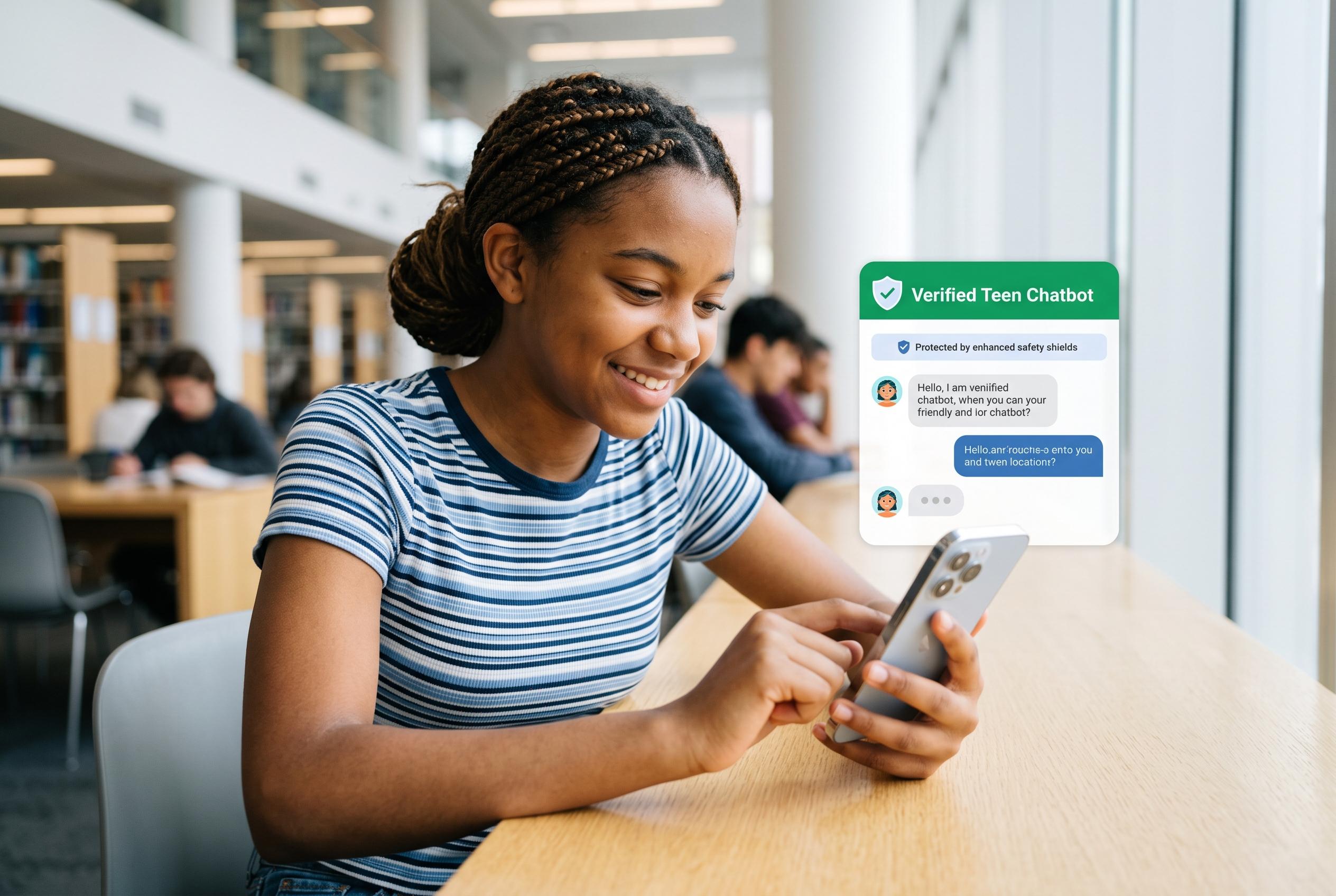

OpenAI introduces a dedicated ‘ChatGPT for Teens’ mode with enhanced safety features and AI-based age verification, responding to growing concerns over minors’ interactions with its chatbot amidst increasing teen AI usage.
OpenAI has introduced a dedicated “ChatGPT for Teens” experience as it tries to address long-running concerns about how younger users interact with its chatbot. The company said the new version combines a series of youth-safety measures it has introduced over the past year, including prompts that encourage breaks after 90 minutes of use within a three-hour period, optional Quiet Hours and Study Hours settings, and stronger limits on the chatbot appearing to express personal feelings towards users. OpenAI also said it will warn teenagers before they upload private or sensitive images, and it will automatically place users who declare themselves under 18 into the protective mode at sign-up. The company added that it is using AI-based age estimation to extend those safeguards to accounts it suspects belong to minors, even if the birthdate on file suggests otherwise.
The move comes amid intensifying scrutiny of OpenAI’s handling of child safety. Families in several legal cases have accused the company of failing to prevent harmful interactions, including allegations that ChatGPT played a role in suicides and violent incidents involving young people. OpenAI has denied those claims and says it has already strengthened its guardrails. Last autumn, it added parental controls that allowed families to disable features such as memory and chat history, and to receive alerts when the system detected signs of acute distress. The company now says it plans to add parental warnings related to eating disorders in the coming weeks.
The rollout also lands against a broader backdrop of heavy teen use of AI tools. A Pew Research Centre study published in December found that nearly a third of American teenagers use AI chatbots daily, with ChatGPT the clear leader in the category. That popularity has sharpened concerns among parents, educators and regulators that large language models can expose minors to inappropriate content, deepen isolation or discourage independent thinking. OpenAI says the updated teen experience is intended to reduce those risks while still allowing young users to learn, create and explore.
Disclaimer: This content is intended for informational purposes only. Readers are advised to exercise their own judgement, conduct due diligence, or consult a qualified expert before acting on any information provided.