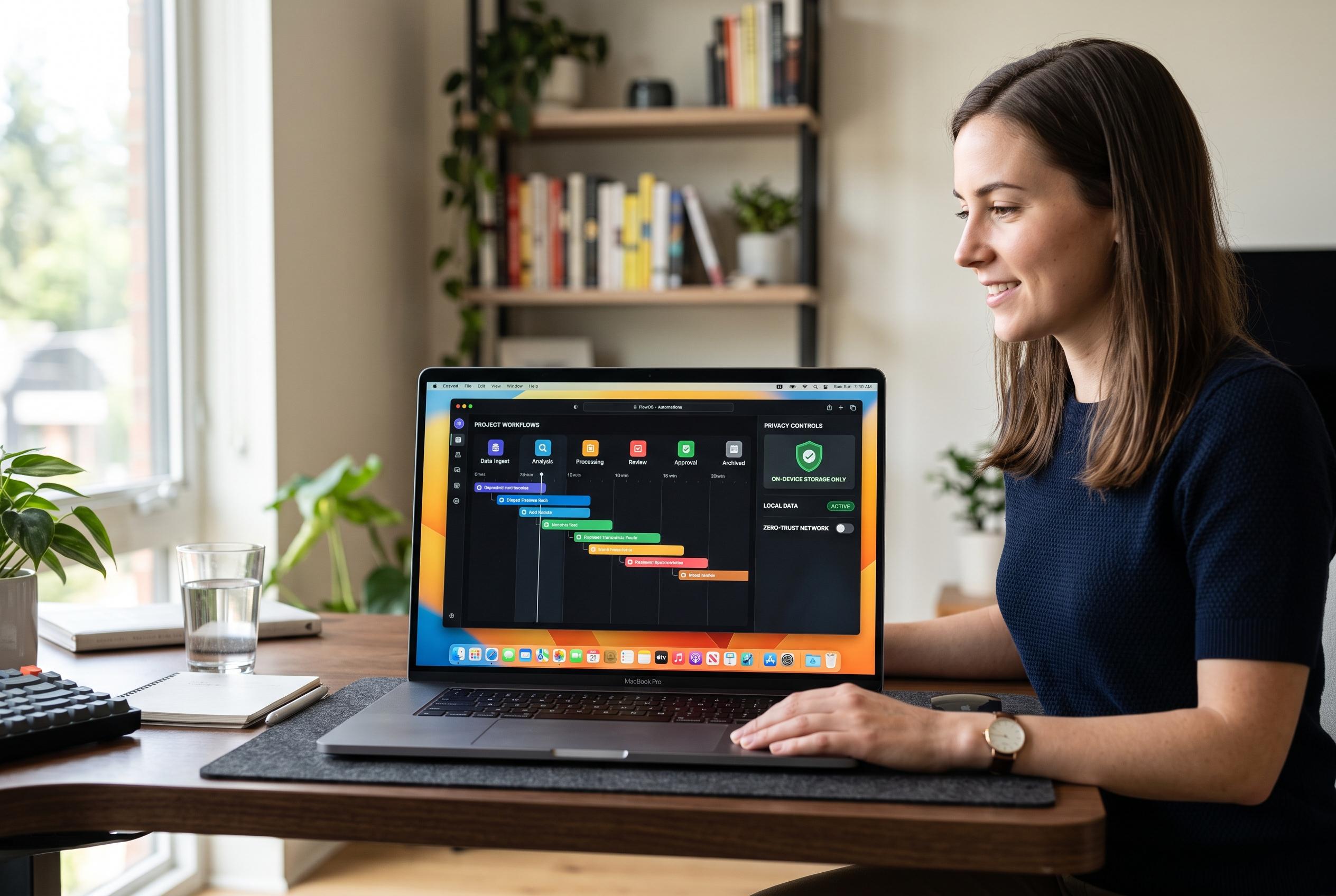

OpenAI introduces a new Computer History feature that captures user activity on macOS to improve task management and automation, while emphasising privacy controls and local data storage amid privacy concerns.
OpenAI’s new Computer History feature is designed to turn routine computer activity into a searchable record that ChatGPT and Codex can use as context. According to The Decoder, it marks a shift away from the earlier Chronicle preview, which depended on screenshots, and instead captures interaction events such as clicks, keystrokes, keyboard shortcuts and app switching through macOS’s accessibility layer. OpenAI says the system does not record screenshots, screen video, microphone input or system audio, and it excludes private browsing activity.
The feature converts those events into text summaries at intervals and stores them locally as Markdown files. In the timeline view, entries are arranged by day and time and identify the applications involved. OpenAI says this is intended to help users recover recent work more quickly, such as finding a document they edited earlier or assembling a stand-up summary from recent activity.
A further aim is to identify repeated workflows and turn them into reusable skills. When ChatGPT spots a pattern that appears to repeat, it can suggest a skill or automation, which Codex may then use as the basis for a reusable template. OpenAI’s broader ChatGPT Work and Codex documentation shows the company is pushing these tools towards task management, project context and delegated execution across desktop, web and mobile.
OpenAI has also wrapped the feature in a layered consent model. In Business and Enterprise workspaces, administrators must enable it first, but individual users still need to opt in, and Memories must also be switched on. Users can limit which apps and websites are included, pause recording from the macOS menu bar and exclude sensitive tools entirely. The feature is not yet available in the European Economic Area, Switzerland or the UK.
Security and privacy remain central concerns. Temporary event files are deleted after 48 hours, but the derived memory files remain as plaintext Markdown on the local file system until users remove them manually. OpenAI says those files are not encrypted, which means another programme running under the same macOS account could potentially read them. The company also warns that Computer History increases the risk of prompt injection, since malicious instructions on a webpage could influence ChatGPT or Codex, and it advises against using the feature in messaging apps unless everyone involved has given explicit consent.
Disclaimer: This content is intended for informational purposes only. Readers are advised to exercise their own judgement, conduct due diligence, or consult a qualified expert before acting on any information provided.