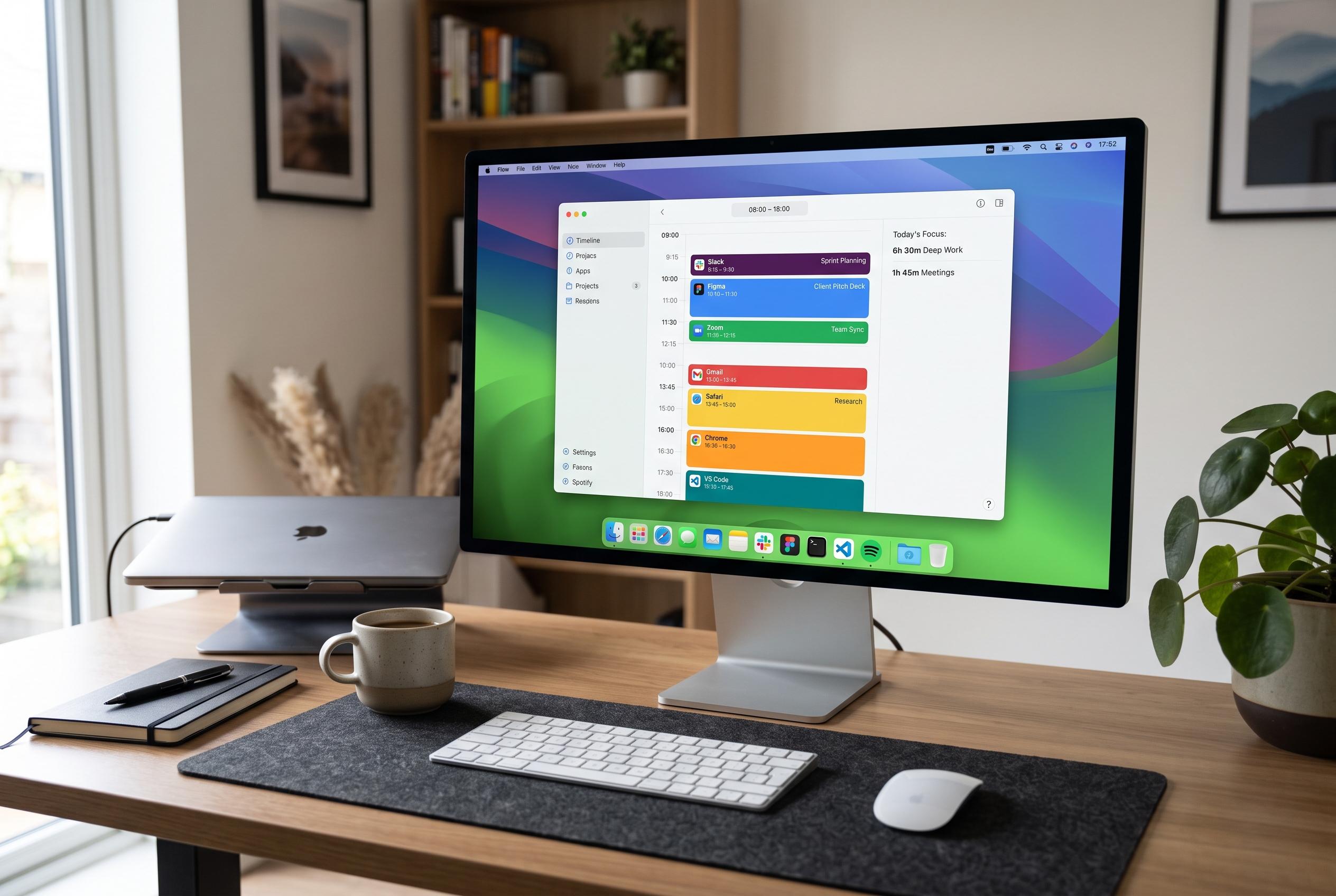

OpenAI introduces Computer History, a Mac-exclusive feature that records user interactions across apps and websites to enhance ChatGPT’s memory, sparking debate over privacy and security risks.
OpenAI has added a new Mac-only feature to ChatGPT that turns the app into a running record of what a user does across selected websites and applications. The company says Computer History is designed to create a searchable timeline and a longer-term memory that can help the chatbot pick up work where it left off, while also feeding Codex with more context. Windows Central says the launch is being watched closely because it resembles Microsoft’s controversial Recall feature, even though OpenAI has taken a different technical path.
The distinction matters. Unlike the earlier Chronicle preview, which relied on screenshots and OCR, Computer History is built around interaction events such as clicks, typing, keyboard shortcuts and app switching. According to Tom’s Guide, OpenAI says the system does not collect screenshots, audio or microphone input, and private browsing activity is excluded. The feature is opt-in and is currently limited to ChatGPT Pro, Business and Enterprise users.
OpenAI says the data flow is short-lived but not entirely local. Event logs are kept on the Mac for up to 48 hours, then sent to OpenAI servers to generate memory summaries before the resulting notes are stored back on the device. The company says the raw event files are not retained after processing unless required by law, and are not used to train models. Business and Enterprise customers also need an administrator to allow workspace access before individual users can switch it on.
The security trade-offs are more serious. OpenAI warns that Computer History increases the risk of prompt injection, because content from allowed apps and sites can enter the model’s context window. It also says the generated memories are stored as unencrypted plain-text Markdown files, which means any programme running under the same macOS user account could potentially read them. That combination has prompted comparisons not just with Recall, but with a broader class of so-called observational AI tools that watch desktop behaviour to build context.
The rollout is also geographically limited. According to the reports, Computer History is being made available globally except in the European Economic Area, the UK and Switzerland, which suggests OpenAI expects regulatory scrutiny over behavioural data collection and cloud processing. The exclusion is notable because the feature is pitched as a productivity aid, yet it touches on sensitive questions about consent, data minimisation and local storage security.
For users, the practical test is simple: the feature is likely most useful for people who move between many tools and want ChatGPT to remember what they were doing. It is far less attractive for anyone handling financial, health or legal material, or for organisations with strict governance rules. OpenAI says users can pause the feature, exclude apps, or clear recent history at any time, but the broader debate remains unchanged: the convenience of a context-aware assistant now comes with a much wider footprint across the desktop.
Disclaimer: This content is intended for informational purposes only. Readers are advised to exercise their own judgement, conduct due diligence, or consult a qualified expert before acting on any information provided.