
OpenAI has launched a new desktop history feature for macOS that tracks user interactions like clicks and app switches to help AI better understand workflows, with privacy controls and local data storage in place.
OpenAI has introduced a new macOS capability, called Computer History in the Persian report, that is designed to build a timeline of work by recording interactive events rather than screen or audio captures. According to the company’s description, the feature tracks actions such as clicks, typing and switching between applications so it can assemble memories more quickly and efficiently. (community.openai.com)
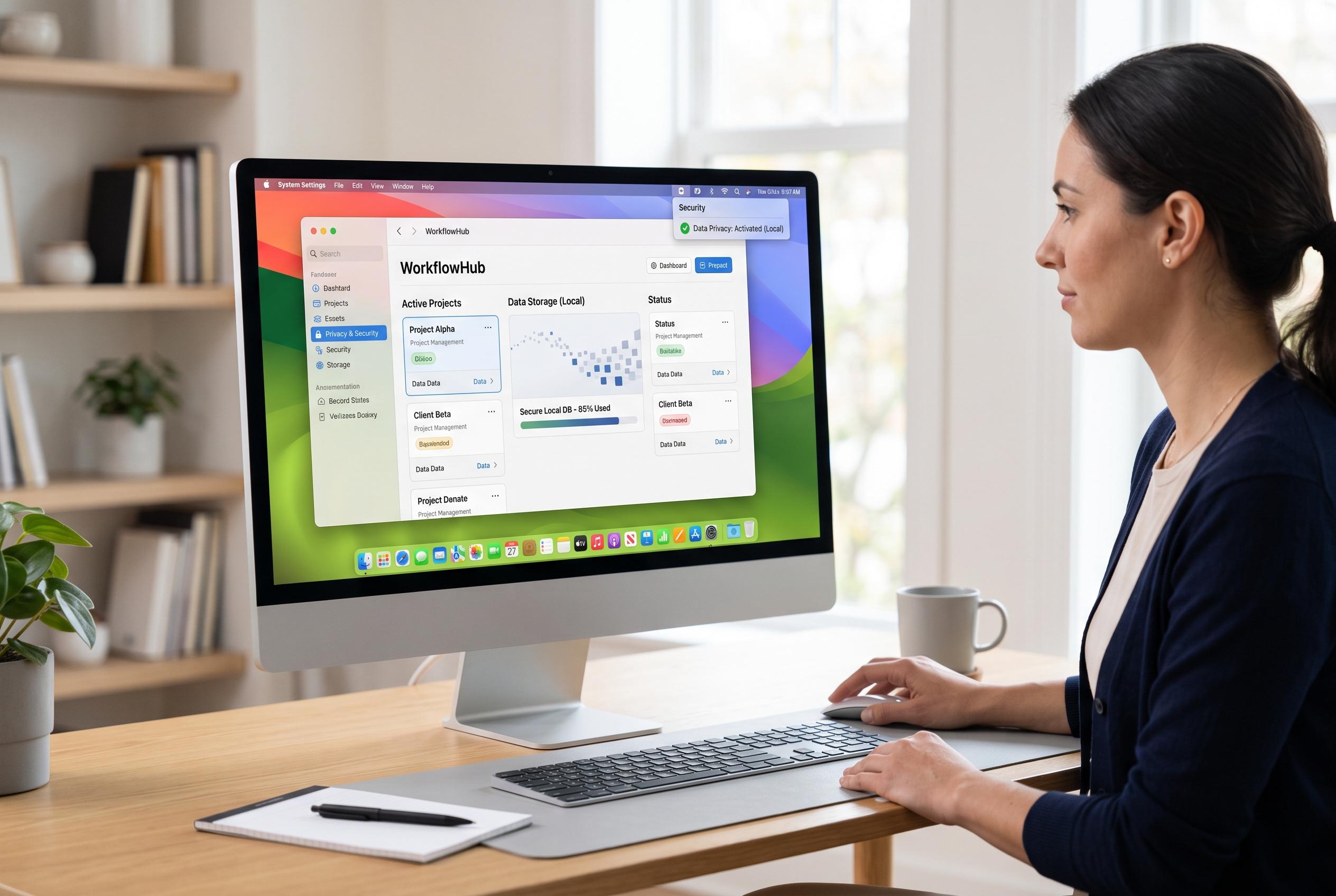
The tool is switched off by default and gives users controls to exclude specific apps and websites from the Mac menu. OpenAI says the data is stored locally on the device, and users can pause collection or remove parts of the timeline at any point, which is intended to address privacy concerns around more comprehensive desktop monitoring. (help.openai.com)
The rollout is now available globally to Pro, Team and enterprise subscribers, with users in the European Economic Area, the UK and Switzerland set to gain access in the coming weeks. OpenAI has been widening access to related Codex and memory features in those markets as well, including Computer Use, the Chrome extension, personalised memory and Chronicle. (community.openai.com)
The broader pitch is that ChatGPT should be able to understand not only what users ask, but how they work. OpenAI says that once assistants can infer patterns from recent activity, they can help create new skills from prior tasks, automate repetitive status reporting or adapt tools to a user’s workflow. The company has also been careful to distinguish this desktop history function from standard retention rules for chats, screenshots and files, which follow separate policies in the macOS app. (community.openai.com)
Disclaimer: This content is intended for informational purposes only. Readers are advised to exercise their own judgement, conduct due diligence, or consult a qualified expert before acting on any information provided.