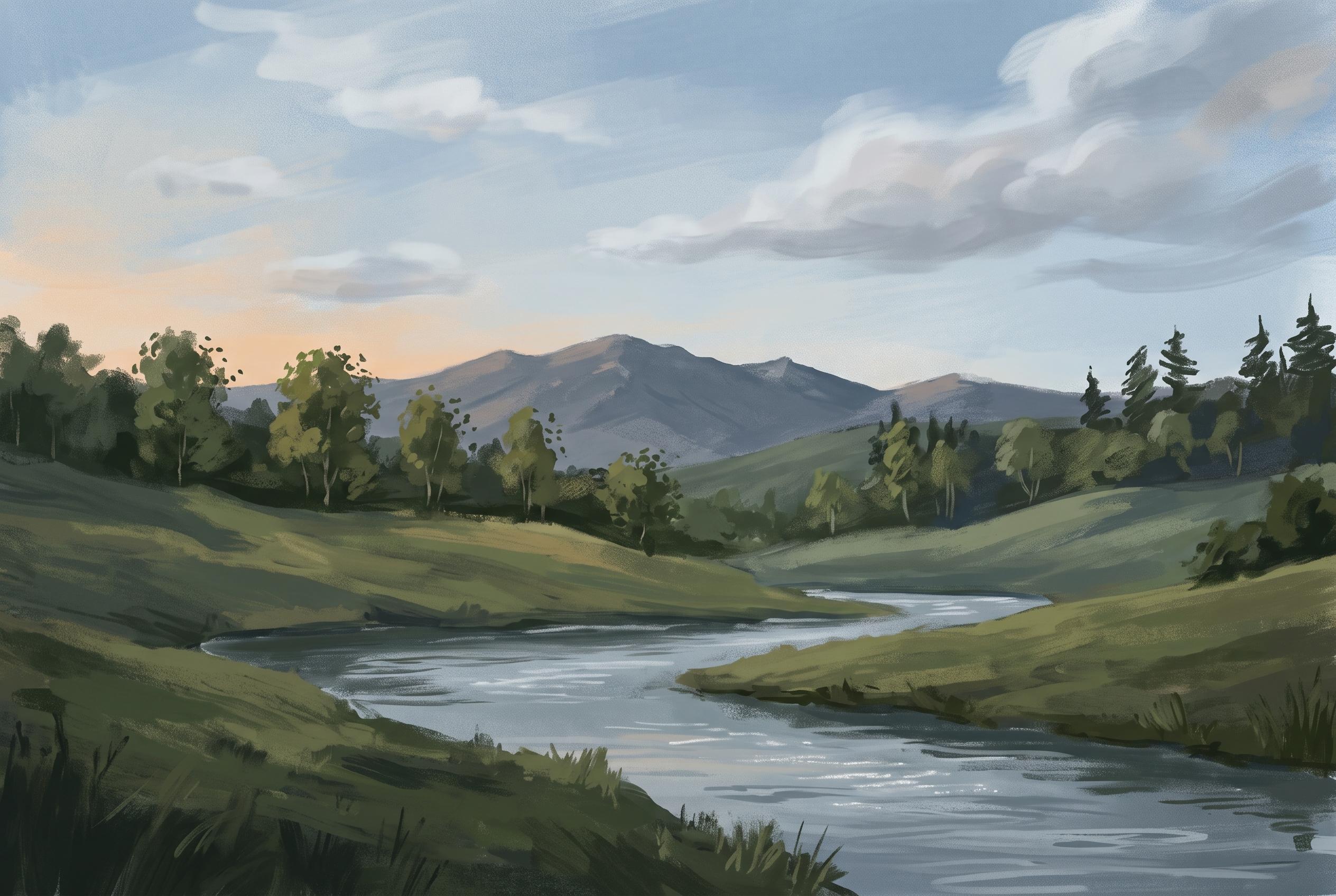

Seedance 2.0 offers a restrained approach to animating still artwork, emphasising interpretation over spectacle, with insights on its multimodal capabilities and ethical considerations.
Seedance 2.0 is being presented as a way to add motion to still art without stripping away its structure. In a piece for Our Culture, the author argues that the most convincing results come not from forcing an image into spectacle, but from reading what the composition already suggests: a slight turn of the head, a shift in light, or the slow movement of a branch in the wind. That approach frames animation less as decoration than as interpretation.
The article places restraint at the centre of the process. Before prompting for movement, it recommends studying how the eye travels through an image, where the emotional focus sits, and whether the work depends on stillness, depth, or scale. According to the article, Seedance 2.0 is most effective when the creator introduces only the motion that the image can naturally support, rather than filling every frame with action.
That method aligns with the broader capabilities described in material from Seedance itself, which says the tool supports text, image, audio and video inputs, along with multi-shot storytelling and synchronised sound. A technical paper on Seedance 2.0 published on arXiv describes it as a native multimodal generation model built for joint audio-video creation, with a unified architecture and support for four input types. Together, those descriptions suggest a system designed not just for image-to-video conversion, but for layered creative direction.
The Our Culture article also emphasises that different art styles imply different kinds of motion. A precise architectural drawing may suit measured camera movement and controlled lighting changes, while a loose ink sketch may feel more convincing if lines seem to spread or gather. Rather than copying real-world physics, the goal is to respect the internal logic of the artwork itself.
Multimodal reference handling is another theme. Seedance’s own documentation says users can work with several input forms, while the article explains that text, reference clips and audio can be combined to guide tempo, gesture and atmosphere. The point, however, is not to overload the model. The writer argues that references need clear boundaries so that a lively source does not overwhelm the identity of the original piece.
Sound is treated as part of the image, not an afterthought. The article notes that environmental audio can shape how a viewer reads an interior, a landscape or a small gesture. Seedance’s product pages similarly describe synchronised audio as part of the generation workflow. But the writer cautions that too many effects can turn a contemplative scene into a demonstration reel.
The piece extends that argument to longer sequences. It says Seedance 2.0 can support compact multi-shot narratives, while a newer iteration, Seedance 2.5, is described as offering longer runs and broader reference capacity. The author sees value in that extra room, but only when the concept genuinely needs a wider arc. More duration is not automatically better; it simply gives the artist more space to preserve continuity and pacing.
A separate concern is authorship. The article stresses that animating someone else’s work raises copyright and consent issues, particularly when portraits, voices or identifiable material are involved. That ethical warning matters because the technology can make transformation easy, but ease does not remove responsibility. The article’s central claim is that motion should deepen an artwork’s meaning, not erase the conditions under which it was made.
Disclaimer: This content is intended for informational purposes only. Readers are advised to exercise their own judgement, conduct due diligence, or consult a qualified expert before acting on any information provided.