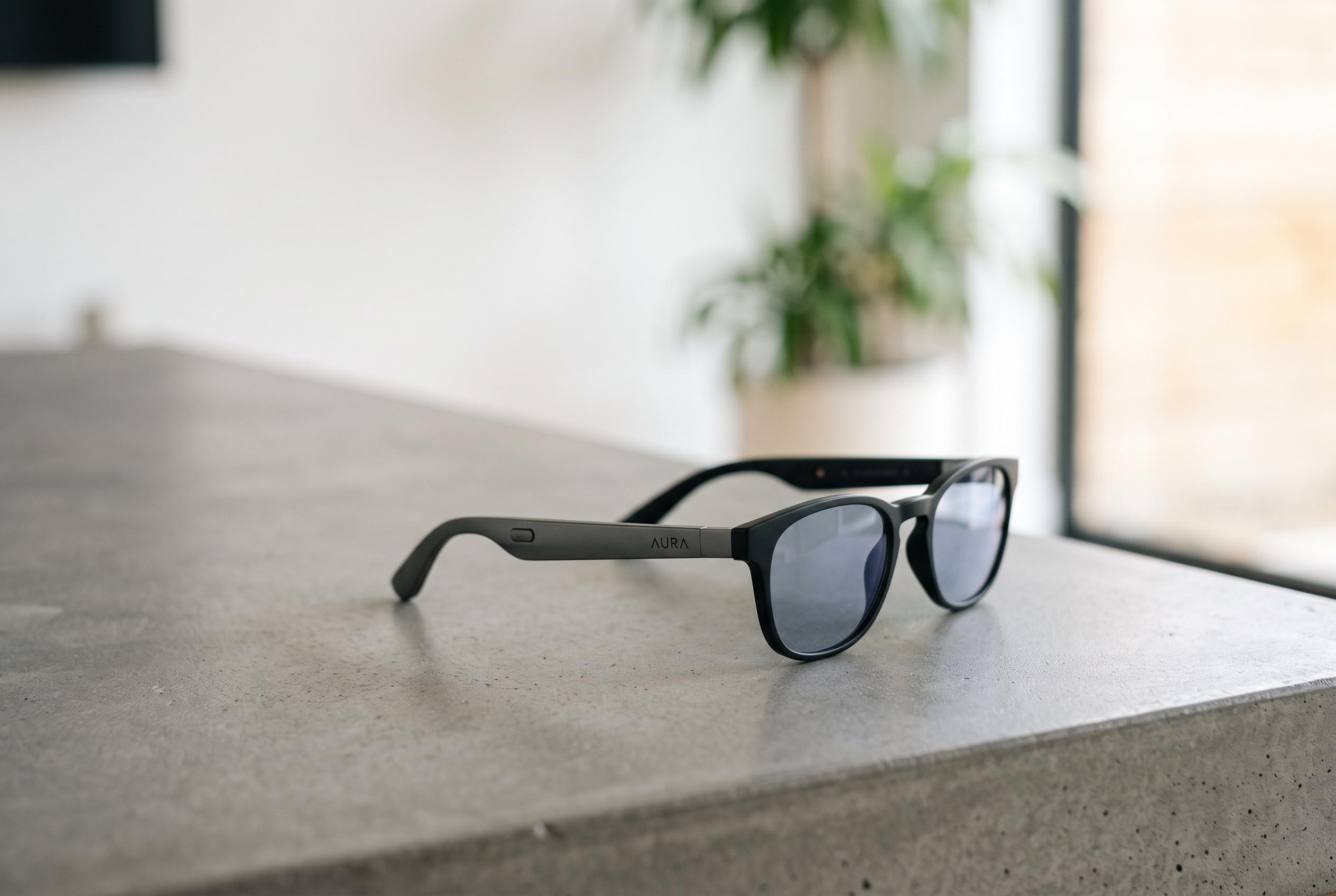

As smart glasses transition from novelty to everyday technology, concerns around privacy and security are intensifying due to their enhanced capabilities to record, process, and share sensitive data , often unnoticed by bystanders.
Smart glasses are moving from novelty to everyday device, and that shift is sharpening concerns around privacy and security. Their latest versions can do far more than take pictures: they can record what a wearer sees, process audio, and feed visual information into AI systems. That makes them useful to the owner, but potentially intrusive for everyone else in range. As Ascii.jp noted, the technology is becoming harder to distinguish from ordinary eyewear, which only increases the risk of unnoticed recording.
The privacy problem is no longer theoretical. Malwarebytes reported in June 2026 that Meta’s companion app contained unreleased face-recognition code, internally referred to as “NameTag”, in software installed on more than 50 million devices. The feature was inactive, but its presence revived fears that consumer wearables could be adapted for biometric surveillance. Reuters and other US media have also reported that lawmakers have pressed Meta over facial recognition plans for smart glasses, warning that such tools could normalise mass monitoring and make stalking or harassment easier.
Even where facial recognition is not enabled, the devices can still collect highly sensitive material. TechTarget has warned that smart glasses create enterprise risk because they can capture confidential conversations, intellectual property and internal processes without obvious signs to bystanders. Purdue Global Law School has likewise argued that the blend of cameras, microphones and AI makes these devices especially problematic in workplaces and other controlled settings. Recent reporting by Fortune added that Meta has tried to harden its Ray-Ban glasses against covert use by making the camera shut off if the LED indicator is tampered with, although that safeguard does not remove the broader concern that hidden recording remains an attractive abuse case.
The risk does not end with what the glasses capture directly. Ascii.jp pointed to research showing that footage from smart glasses can be linked to AI and used to identify people and gather information about them online. That creates scope for more advanced profiling, impersonation and phishing. The most sensitive material may include PINs entered at payment terminals, passwords typed on phones or laptops, and banking paperwork that can be used for identity theft. Meta has also faced scrutiny over how user data is handled more broadly: according to reporting by TechCrunch and other outlets, contractors in Nairobi were able to view highly sensitive clips while moderating AI-related content, intensifying concern over who can access wearable-generated data and for what purpose.
For users, the practical advice is straightforward. Keep device software updated, install only trusted apps, use strong authentication and disable any AI training or human review options where possible. In public places, users should treat the glasses as live cameras and microphones, not private accessories. For bystanders, the warning is to stay alert in crowded locations, particularly near cash machines or other places where passwords and card details may be exposed. The wider trend matters too: with Google, Apple, Amazon and a growing number of Chinese companies all developing similar products, the debate over smart glasses is likely to remain a live privacy issue rather than a passing one.
Disclaimer: This content is intended for informational purposes only. Readers are advised to exercise their own judgement, conduct due diligence, or consult a qualified expert before acting on any information provided.