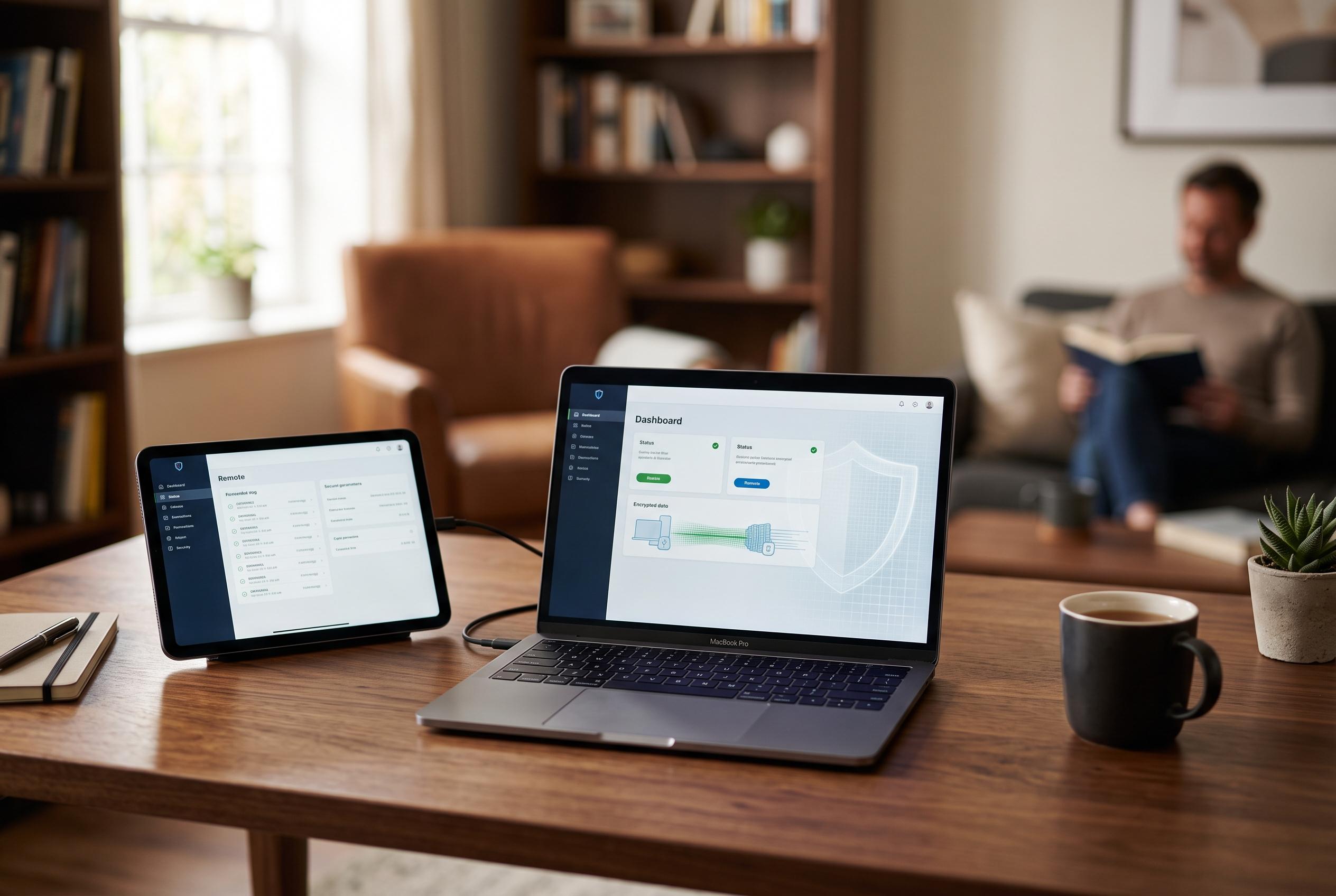

Splashtop introduces Shield, a new antivirus service targeting families with remote control features, amid concerns over rising online fraud; however, initial malware detection performance warrants caution.
Splashtop has spent more than two decades building a reputation in remote access, and its move into security is an extension of that expertise. The company has now launched Splashtop Shield, an antivirus product aimed at families as much as at individual users, with a strong emphasis on helping one person manage protection for several devices from a single console. The idea is timely: Splashtop said the launch comes against a backdrop of surging online fraud, including $21 billion in reported US losses in 2025, much of it linked to phishing, fake support pages and scam-led remote access.
The pricing is pitched around that family model. According to Splashtop, an individual plan covers two computers, while family options scale to five devices and then ten. That places it broadly in line with mid-market competitors at the lower tier and roughly competitive at the larger family tier, although the utility of paying for ten antivirus seats will depend on how many machines a household actually wants to manage. Splashtop also says the service uses Bitdefender-powered antivirus technology and supports Windows and macOS, which gives it a more conventional security base than its marketing might suggest.
Where Shield tries to stand apart is in control. Splashtop says it blocks more than 70 remote-access tools often used by scammers, while also allowing the designated family administrator to approve support sessions and manage protection settings centrally. The company describes this as a way to stop device-takeover scams before a criminal can gain a foothold. In practice, that means the family “Guardian” can oversee antivirus configuration, remote help and threat response from one account, while the person at the other end of the session must explicitly approve access.
That broader remote-control approach is also what makes Shield unusual, but it is not yet a reason to buy it on security alone. In PCMag’s hands-on testing, the product’s malware blocking was uneven, and it lagged behind established rivals in several detection exercises. It also scored well in phishing protection, which is important for a product aimed at scam prevention, but it failed to impress on malicious-download blocking and on recognising modified malware samples. Splashtop’s own documentation shows the product can be tuned through Aggressive, Normal and Permissive scanning profiles, but configuration flexibility is not the same as top-tier detection.
There is promise here, particularly for households that want remote support, device oversight and basic antivirus in one package. But the protection layer still appears unfinished, and the product has not yet built the sort of independent laboratory record that would make it easy to recommend without reservation. For now, Splashtop Shield looks more like an interesting first attempt than a fully mature security platform.
Disclaimer: This content is intended for informational purposes only. Readers are advised to exercise their own judgement, conduct due diligence, or consult a qualified expert before acting on any information provided.